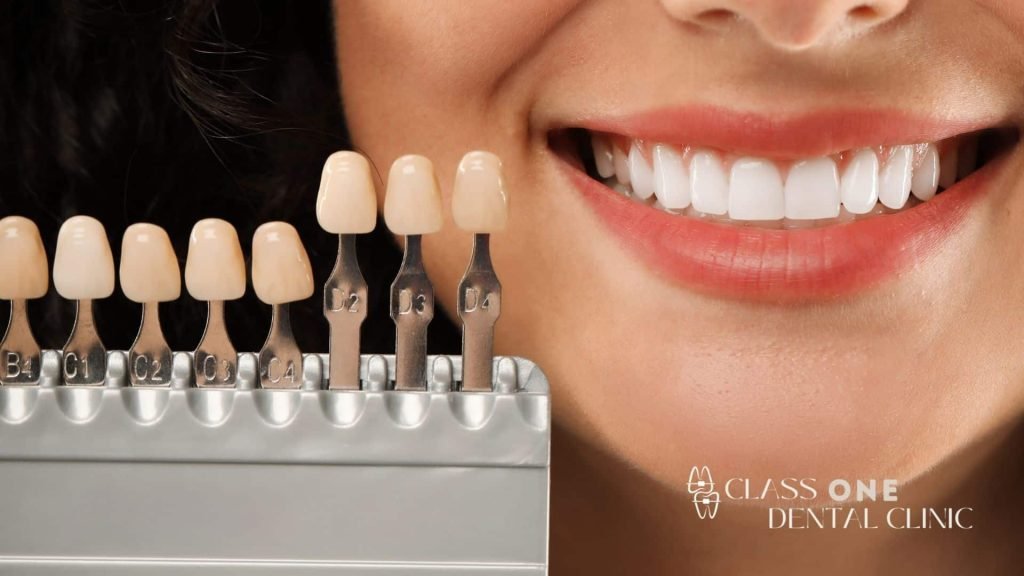
These days, more and more people are paying attention to how their teeth look. A smile is the most direct way for people to connect, and neat, attractive teeth often leave a better first impression. Yet many people feel self-conscious about crooked teeth, teeth that are not the ideal colour, or minor dental imperfections, and even deliberately hide their smile in social situations. Traditional braces can improve tooth alignment, but they involve a lengthy treatment period, usually two to three years. For those who want to improve the look of their teeth quickly without going through a complicated orthodontic process, composite veneers and porcelain veneers offer an ideal solution. This article takes an in-depth look at three main reasons to choose composite or porcelain veneers, helping readers understand how this treatment can change the way you see your own teeth and rebuild your confidence.
The Basics of Composite and Porcelain Veneers
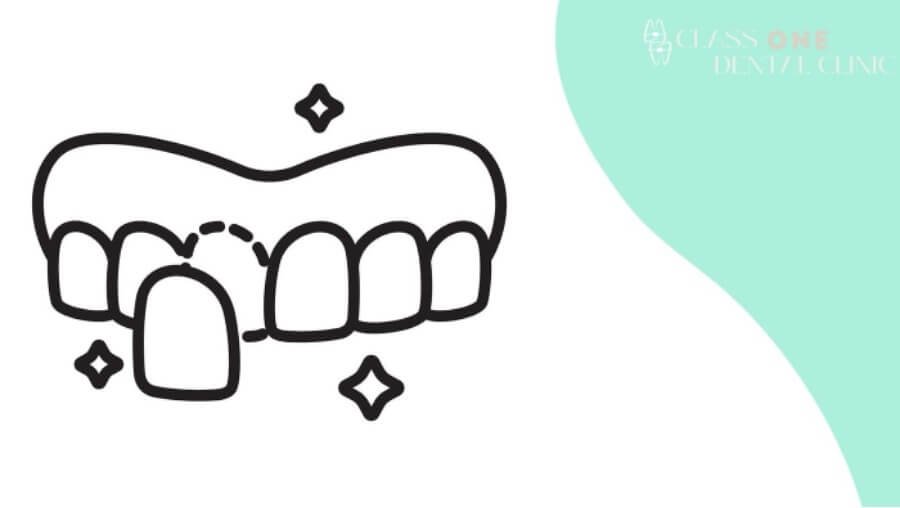
Before considering veneers, there is one point that needs to be clarified first: the veneers commonly offered fall into two main categories, and the two differ clearly in material, results and how long they last, so they cannot be treated as one and the same. The two types of veneer commonly used in dentistry are composite veneers and porcelain veneers. Composite veneers are generally made by applying resin material directly onto the tooth surface to repair and shape it. The procedure is relatively simple and can usually be completed in a single visit, making it suitable for those on a limited budget or who only want a minor improvement. Porcelain veneers, by contrast, are porcelain shells custom-made by a dental technician to match the shape of your tooth and then bonded onto the tooth surface by the dentist. They have a natural colour, good translucency and are less prone to staining. Their overall aesthetics and durability are usually better than composite veneers, making them more suitable for patients with higher aesthetic expectations who want the results to last longer. Therefore, before deciding whether to have veneers, besides finding out whether veneers suit your teeth, you should also be clear about whether you are considering composite veneers or porcelain veneers, so that your expectations match the actual results.
Before discussing why you might choose veneers, it is first necessary to understand the basic concepts of, and differences between, these two treatments. Composite veneers are a thin layer of material, usually 0.5 to 1 mm thick, bonded to the surface of the tooth. Porcelain veneers are a more advanced form of veneer, made from ceramic material, with better optical properties and durability. Both types of veneer must be designed and fitted by a dental professional to ensure the best results and comfort.
Unlike traditional braces, composite and porcelain veneers do not improve appearance by gradually moving teeth into position. Instead, they add material to the tooth surface to cover imperfections and change the shape and colour of the tooth. This means the whole process is relatively quick, and the final result can usually be seen in just one to two weeks. For those who want to improve the look of their teeth quickly, this is undoubtedly a major advantage.
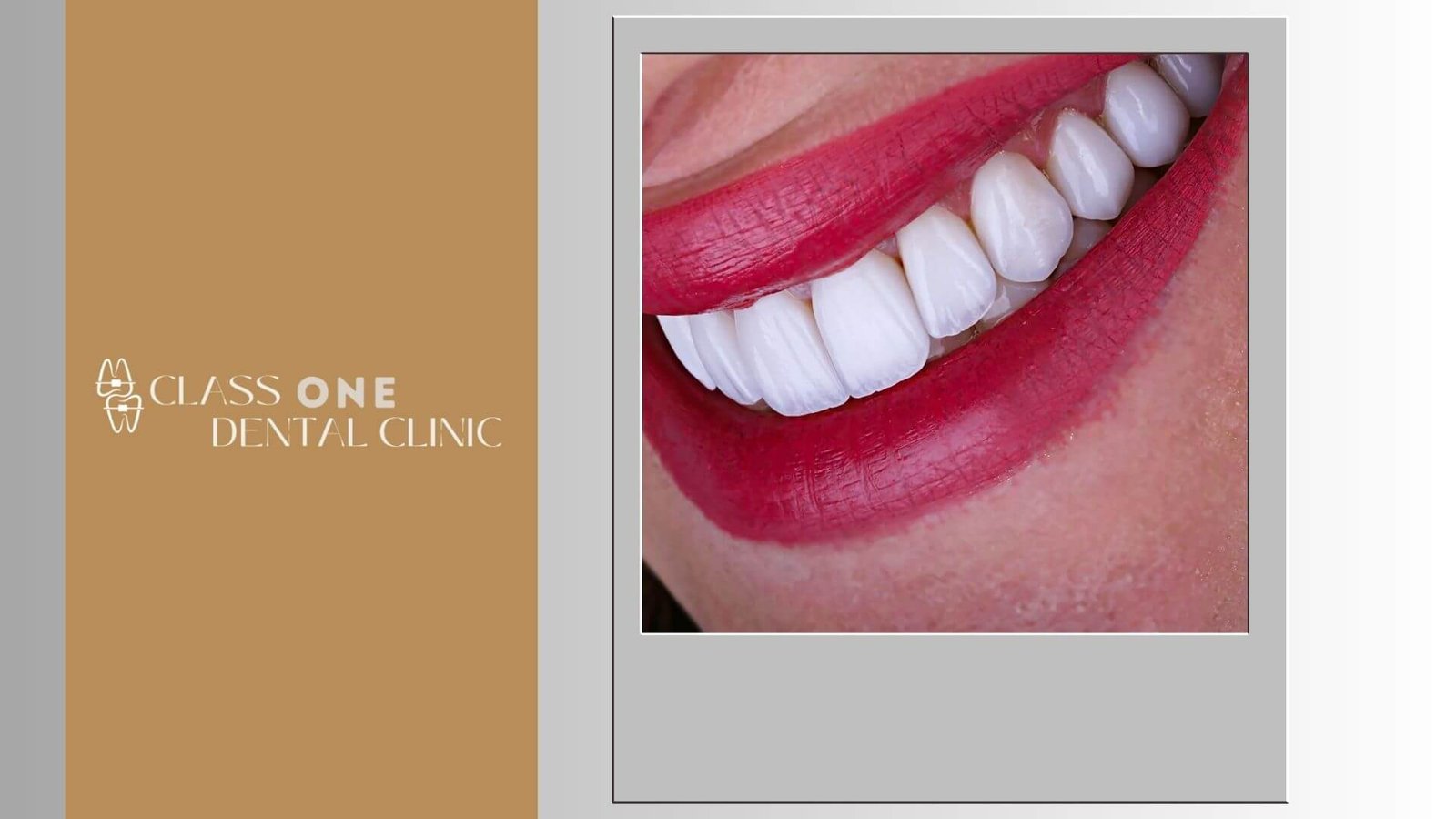
Reason 1: Porcelain Veneers Quickly Improve Your Smile and Confidence
Many people have experienced the distress of teeth that are less than ideal. Perhaps the teeth are not white enough, perhaps there is slight wear or chipping, or perhaps the shape of the teeth is not ideal. These seemingly small imperfections can often have a huge psychological impact. Studies show that many people feel anxious or self-conscious because of their teeth and even deliberately hide their smile in public. This psychological burden can affect social activities, work performance and even overall quality of life.
Composite and porcelain veneers can solve these problems quickly and effectively. Compared with traditional braces, the treatment process for veneers is much shorter. The whole process can usually be completed in just two to three visits. At the first visit, the dentist carries out a preliminary examination and discussion to understand the patient’s expectations and needs. At the second visit, the dentist carries out the necessary tooth preparation, including slight reduction of the tooth surface and the design of colour and shape. During this process, the dentist and patient work together to decide on the ideal tooth colour and shape, ensuring the final result meets the patient’s expectations. At the third visit, the veneers are bonded to the teeth and the whole process is complete.
This rapid improvement brings an immediate psychological effect. Many patients feel an instant boost in confidence after their veneers are fitted. They no longer need to hide their smile and can show it with confidence in social situations. This change in mindset often goes on to affect their work performance and quality of life. Studies show that confident people tend to do better in their careers and personal relationships, so this psychological improvement is in fact a long-term investment.
Reason 2: The Outstanding Durability and Long-Term Results of Porcelain Veneers
When considering any dental treatment, durability is an important factor. No one wants to need repairs or to redo a treatment soon after having it. In this respect, porcelain veneers have an outstanding advantage.
Porcelain material is extremely hard and durable. Porcelain veneers can withstand everyday chewing forces and do not wear down or break easily. Many studies and clinical data show that high-quality porcelain veneers can last ten to twenty years or even longer. This means patients can enjoy the improvement veneers bring for a considerable length of time.
Another advantage of porcelain veneers is their outstanding colour stability. Unlike some organic materials, porcelain does not change colour or fade over time. The colour of your teeth remains consistent and attractive, with no need for additional treatment because of fading. This long-term colour stability is especially important for those who want to enjoy the effect of whiter teeth for years to come.
In addition, porcelain veneers have excellent stain resistance. The surface of porcelain is smooth and does not easily accumulate stains or pigments. Even if you regularly drink coffee, tea or red wine, which stain easily, porcelain veneers can stay clean and glossy. This means patients do not need to change their lifestyle or eating habits because of their veneers.
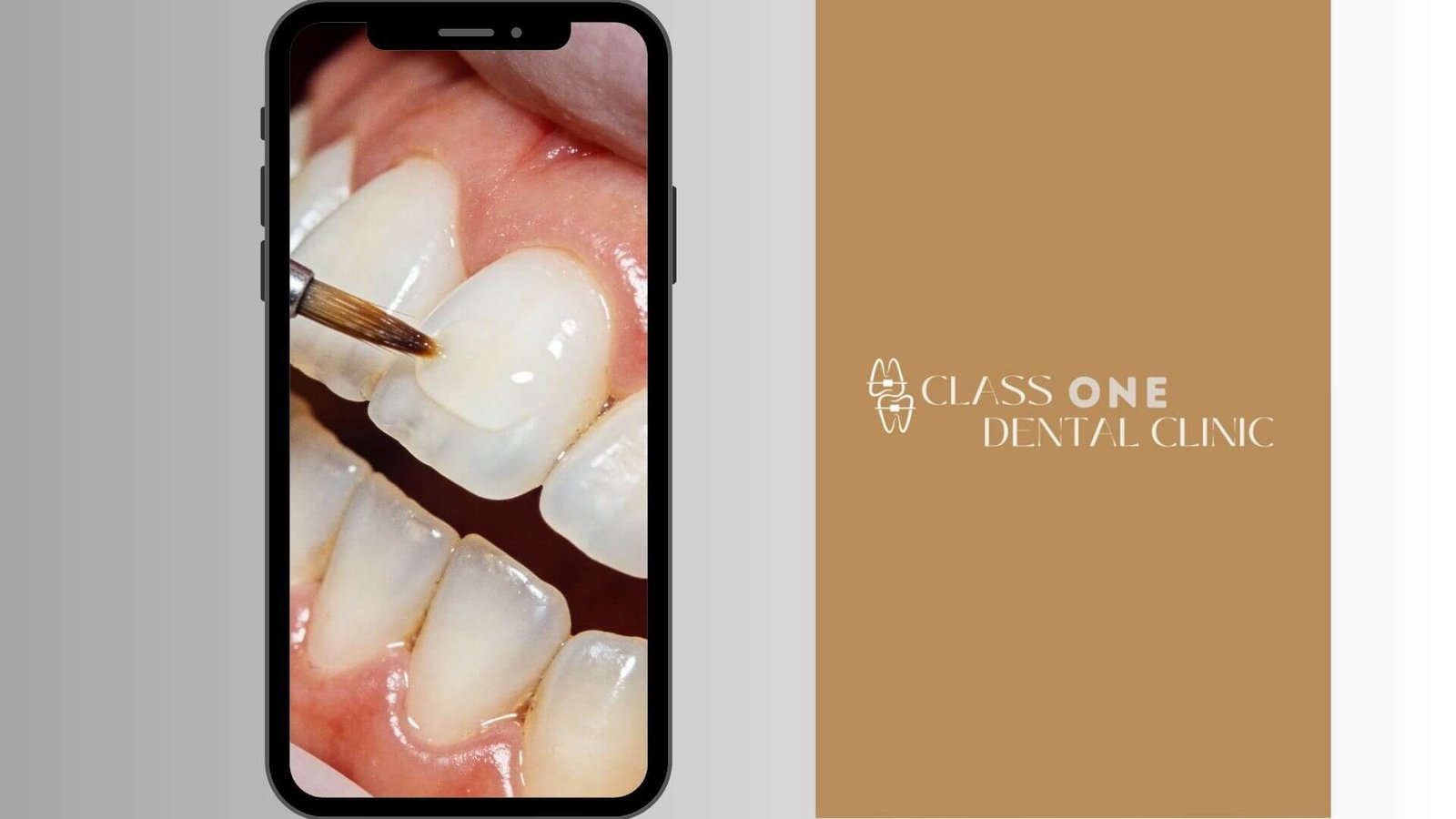
Reason 3: Porcelain Veneers Protect Natural Teeth and Overall Oral Health
Many people considering dental treatment worry about whether it will damage their natural teeth. This is a very reasonable concern, because healthy natural teeth are undoubtedly the most valuable. Encouragingly, composite and porcelain veneers are designed with exactly this in mind, and can improve the appearance of teeth with minimal invasiveness.
Compared with other dental treatments, veneers cause relatively little damage to natural teeth. Before veneers are fitted, the dentist usually needs to lightly reduce the tooth surface so that the veneer fits more closely and securely. However, this reduction generally involves only a thin outer layer of the tooth, usually no more than 0.5 mm. By comparison, crown treatment or other larger dental restorations may require much more of the tooth structure to be removed.
This minimal damage means that if a patient decides at some point in the future to have the veneers removed, their natural teeth will still be relatively intact. Although removing veneers is generally not recommended (because the reduced tooth surface may be exposed afterwards), patients can at least be reassured that their natural tooth structure has not been seriously damaged.
Beyond the aesthetic advantages, veneers can sometimes also be used to improve minor bite problems. If uneven tooth shape or size leads to an incorrect bite, veneers can improve it by changing the shape of the teeth. A better bite not only improves the function of the teeth, but also reduces the risk of certain types of tooth wear and temporomandibular joint problems.
Other Factors to Consider Before Getting Veneers
Before veneer treatment, patients should consider several other factors to make sure they make the best decision.
First, patients should have a comprehensive dental examination. Before veneer treatment, it must be ensured that there is no untreated tooth decay or gum disease in the mouth. If these problems exist, they should be treated before veneers are placed.
Second, patients should have a detailed discussion with the dentist and clearly express their expectations for the appearance of their teeth. Dentists can use various visual tools to help patients preview the final result of the veneers. This communication is essential to ensure the patient is satisfied with the final outcome.
Third, patients should understand the maintenance requirements of veneers. Although maintenance is relatively simple, patients should know what to avoid, such as biting hard objects with their teeth or engaging in certain activities that could damage the veneers.
Fourth, patients should consider the choice of material. Although porcelain veneers generally offer the best results and durability, other materials are available. The dentist can recommend the most suitable material based on the patient’s specific situation and budget.

Real Cases and Testimonials from Veneer Patients
Many patients report a significant improvement in their lives after veneer treatment. Some say that their improved smile has greatly boosted their confidence and made them feel more at ease in social and professional settings. Others say that veneer treatment has finally helped them achieve their long-held dream of a beautiful smile. These real cases and testimonials demonstrate the practical results of veneer treatment and its positive impact on patients’ lives.
Maintenance and Long-Term Care of Porcelain Veneers
Another appealing feature of porcelain veneers is how simple they are to maintain and care for. Patients do not need to follow any special care procedures. Everyday dental care, including regular brushing and flossing, is enough to keep porcelain veneers in good condition. Dental professionals advise patients to avoid biting hard objects with their teeth or doing activities that may put stress on the veneers, but overall, maintenance is relatively simple.
Regular dental check-ups are still necessary. At each check-up, the dentist will assess the condition of the veneers, make sure the bonding is still sound, and check that the surrounding teeth are healthy. These check-ups can generally be carried out every six to twelve months.
Porcelain Veneers FAQ
Q1: Will veneer treatment cause tooth sensitivity? Is sensitivity after treatment common?
Because the teeth need to be lightly reduced during veneer treatment, some patients may experience short-term tooth sensitivity afterwards. This sensitivity is usually caused by dentine being exposed during the reduction process. However, it is usually temporary and gradually fades within a few weeks. Using a toothpaste designed for sensitive teeth can help relieve the discomfort. If the sensitivity persists, patients should speak to their dentist, who may recommend fluoride treatment or other methods to reduce it. In the long term, tooth sensitivity fades away completely in most patients, and they can enjoy all kinds of food and drink as normal.
Q2: What are the practical differences between composite veneers and porcelain veneers, and which is better for me?
The main differences between composite veneers and porcelain veneers are the material and durability. Composite veneers are usually made of resin or composite material, while porcelain veneers are made of ceramic material. Porcelain veneers have better optical properties and imitate the appearance of natural teeth more realistically, especially in the way light passes through them. In addition, porcelain veneers are more durable and can last longer without needing repair. However, porcelain veneers usually cost more. Composite veneers cost relatively less, but may need more frequent maintenance and replacement. Which one to choose depends on the patient’s budget, expectations for durability and aesthetic requirements. The dentist can make a recommendation based on the patient’s specific situation.
Q3: If I change my mind, can veneers be removed? Will the removal process damage my natural teeth?
Veneers can be removed, but it is not a routine procedure. In rare cases, a patient may decide to have their veneers removed. Removal usually involves carefully scraping off the veneer, and must be carried out by an experienced dental professional. Although removal may cause some damage to the teeth, this is usually limited. More importantly, once the veneers are removed, the reduced tooth surfaces are exposed, and these surfaces may look different from untreated areas. For this reason, most patients choose to keep their veneers after they are fitted rather than have them removed. If a patient is not satisfied with the result, the usual approach is to replace the old veneers with new ones rather than remove them completely.