
What Is Root Canal Treatment? The Procedure and Aftercare Explained
When a tooth has persistent severe pain, hurts when you bite, or the gum repeatedly swells and discharges pus, your dentist may recommend root canal treatment (known in Hong Kong Cantonese as "du ya gen"). It removes infected, inflamed or dead dental pulp and thoroughly cleans and seals the root canals so that the natural tooth can be preserved.
The pros and cons of dental veneers: 3 benefits and 3 risks
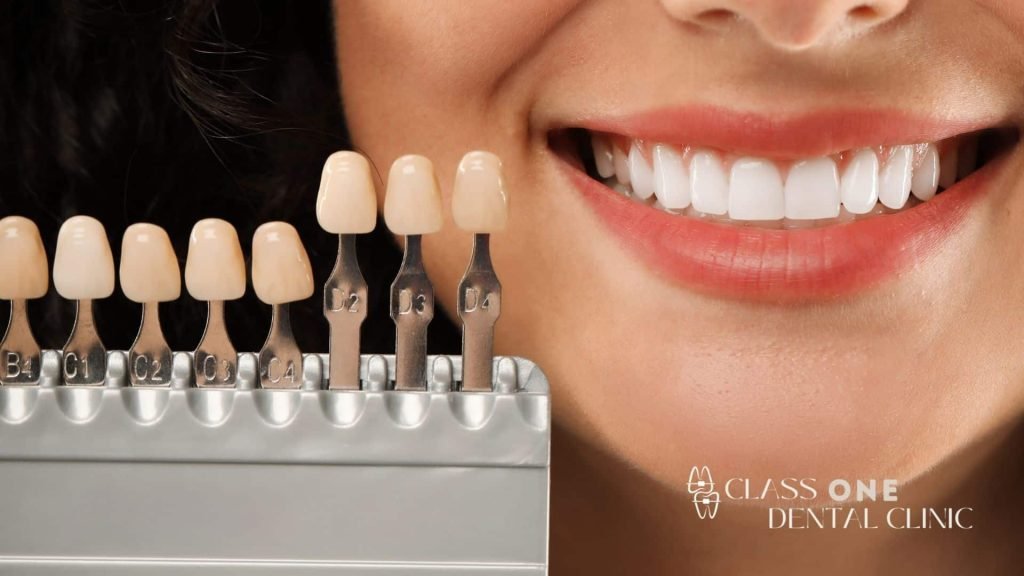
Dental veneers place a thin layer of restorative material, usually porcelain (ceramic), over the front of the teeth to improve their colour, shape, size, mild misalignment and small areas of damage. Because porcelain is close to natural teeth in translucency, colour and texture, it is often used to improve the appearance of the front teeth.
How mouth breathing affects jaw growth: 3 key points
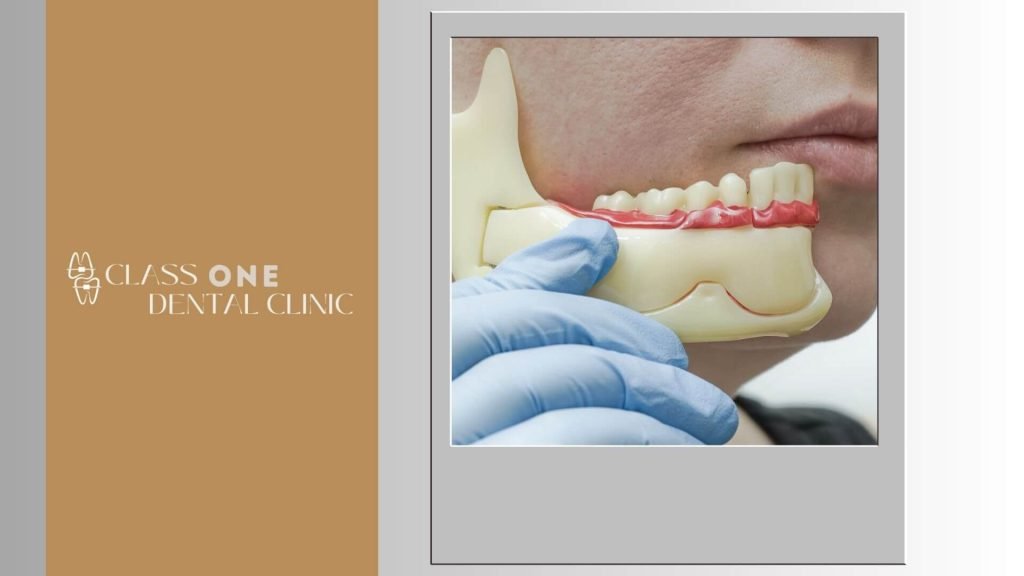
Humans should breathe mainly through the nose, with the tongue resting lightly against the palate and the lips closed. This oral posture is important for the normal development of the jaws and dental arches. If mouth breathing replaces nasal breathing over the long term, the position of the tongue, the strength of the lip muscles and the forces on the upper and lower jaws all change, which can affect tooth alignment, jaw shape and face structure.
What is an impacted maxillary canine, and why does it happen?
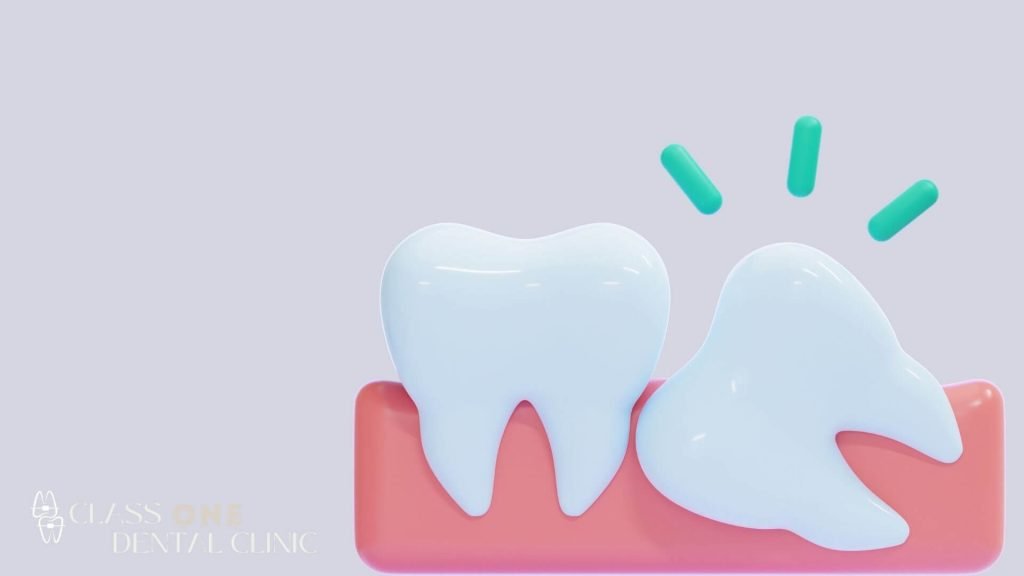
The maxillary (upper) canine, commonly called the "tiger tooth" in Cantonese, guides the bite and shapes the natural curve of the smile. When it fails to erupt and stays inside the bone or gum during growth, the condition is called an impacted maxillary canine.
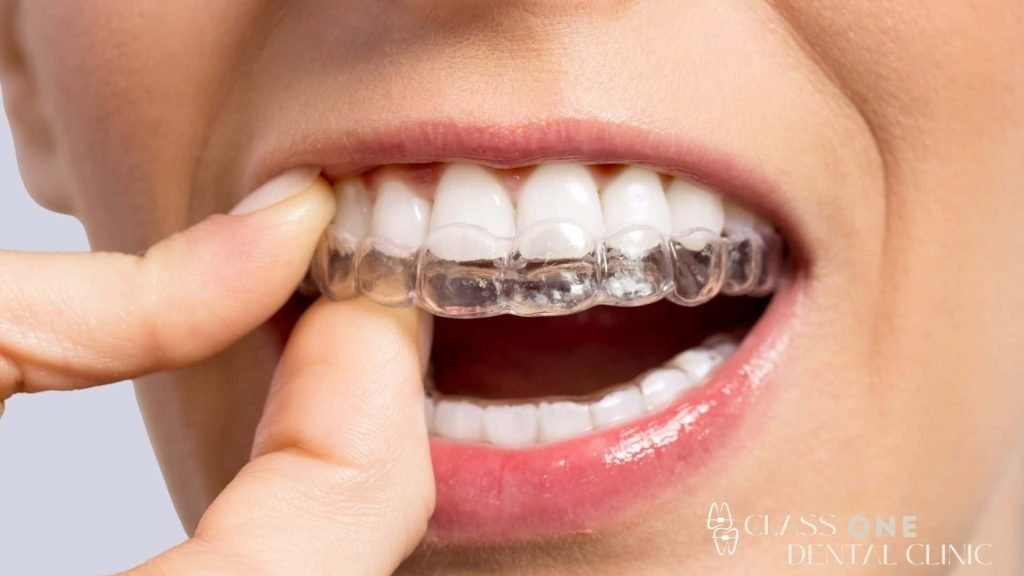
Summer braces in Hong Kong: comparing 3 clear aligner brands
Every summer holiday, many Hong Kong students, parents and office workers start thinking about braces, because follow-up visits are easier to arrange and there is more time to adjust to early discomfort. Invisible braces (clear aligners) have become a popular choice, but brands, treatment arrangements and fees differ widely, so this article compares three commonly mentioned brands to help readers prepare for a rational discussion with their dentist.
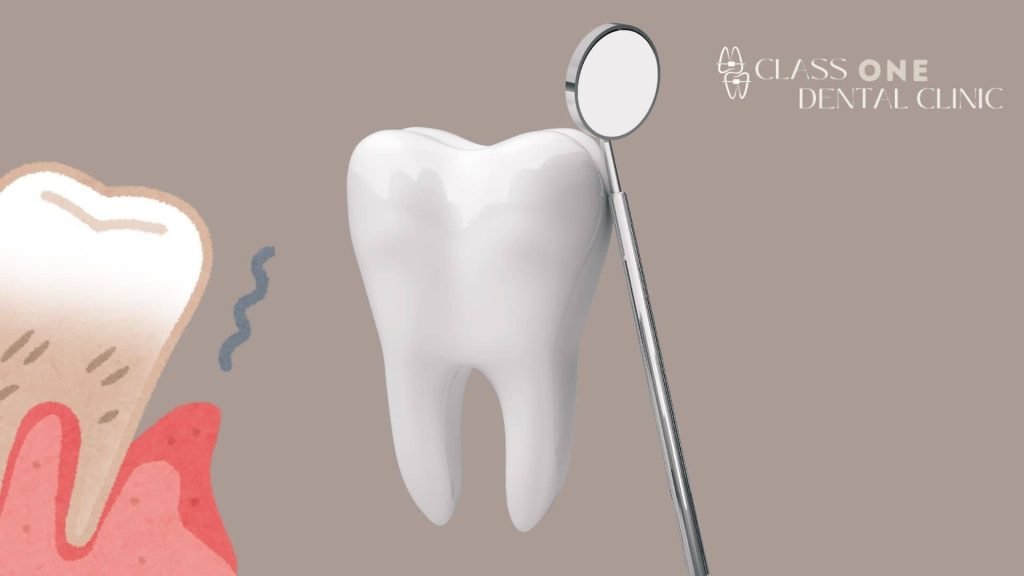
Braces Don't Always Require Tooth Extraction, But Why Do Some Cases Need It? 2 Key Things to Know
Many people assume braces always mean extractions, but modern orthodontics offers many ways to create space and improve the bite. In some cases, such as severe crowding or severe mouth protrusion (buck teeth), extraction is still a reasonable option for a more stable, healthier result.
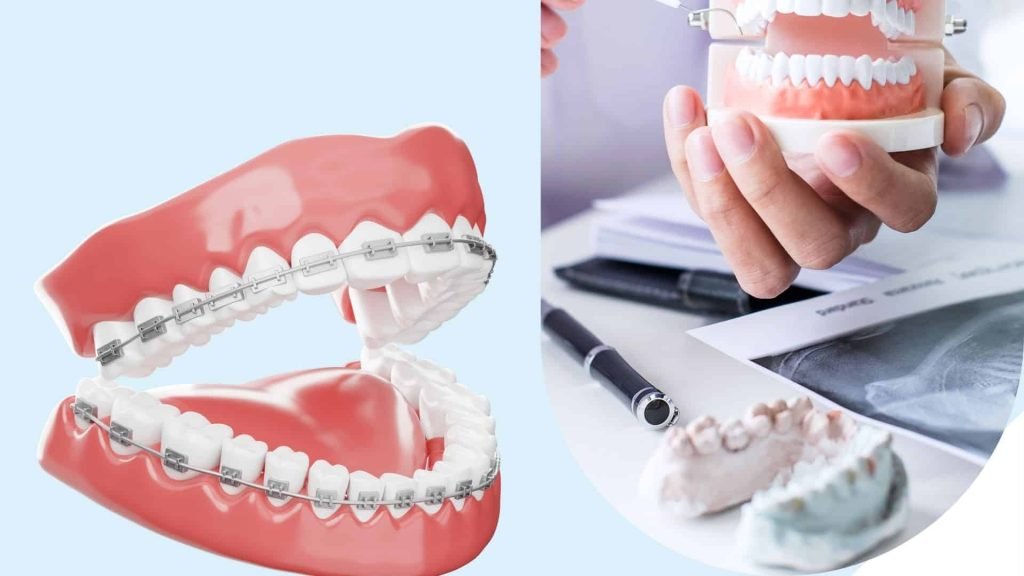
4 Key Ways Maxillary Expansion Can Help With Braces
Maxillary (upper jaw) expansion is a common companion to braces, especially for a narrow upper jaw, crowded teeth, a misaligned bite or breathing problems. The real question is not whether it is popular, but whether you need it and what it will actually do for you.
Bleeding Gums and Toothache: You May Have Periodontal Disease
Bleeding gums together with toothache are often an early sign of gingivitis or periodontal disease, not just "heatiness" or brushing too hard. Left untreated, the inflammation can lead to recurring bleeding, bad breath, widening gaps between teeth and even loose teeth, so it should not be taken lightly.
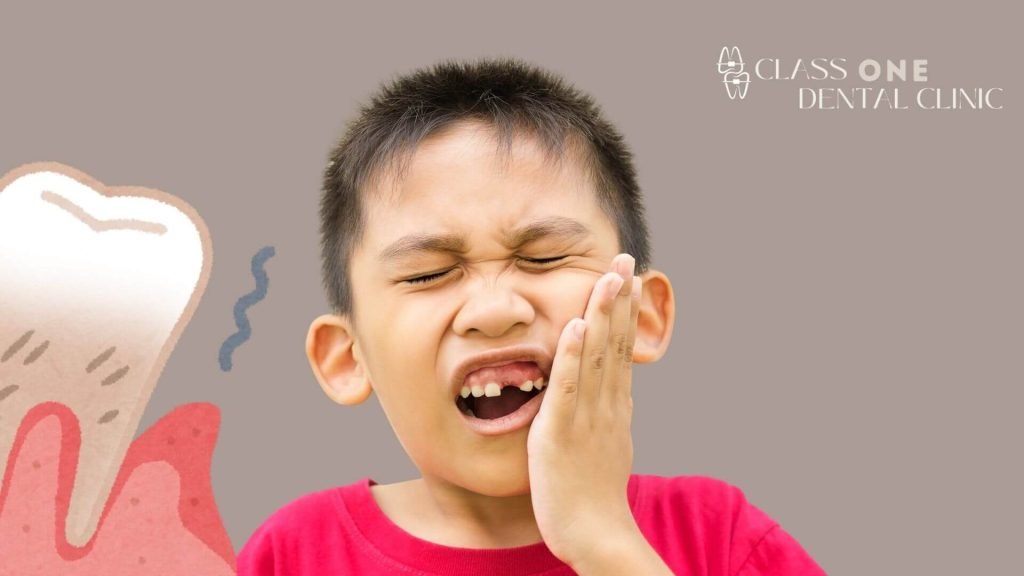
How to Relieve Toothache When the Pain Keeps You Awake
Toothache that keeps you awake at night is usually caused by strong irritation of the dental pulp nerve or acute inflammation of the tissues around the tooth. This guide sets out emergency home relief steps, mistakes to avoid and when to go straight to a dental emergency.