How to Relieve Toothache When the Pain Keeps You Awake
Toothache so bad that you cannot sleep is one of the most agonising experiences in the middle of the night. Severe pain often leaves people tossing and turning, and even affects daily life. It usually stems from strong irritation of the nerve in the dental pulp, or an acute inflammatory reaction in the tissues around the tooth. Although any oral pain should be checked by a dentist as soon as possible to find the underlying cause, when the pain strikes suddenly and you cannot see a dentist right away, knowing a few home relief methods can help ease the discomfort and prevent the condition from getting worse. Life in Hong Kong is fast-paced, and many people with toothache in the middle of the night can only cope on their own. Below are emergency steps and precautions based on common clinical experience, so that you can get through safely until you see a dentist.
Analysis of Common Causes Behind Toothache
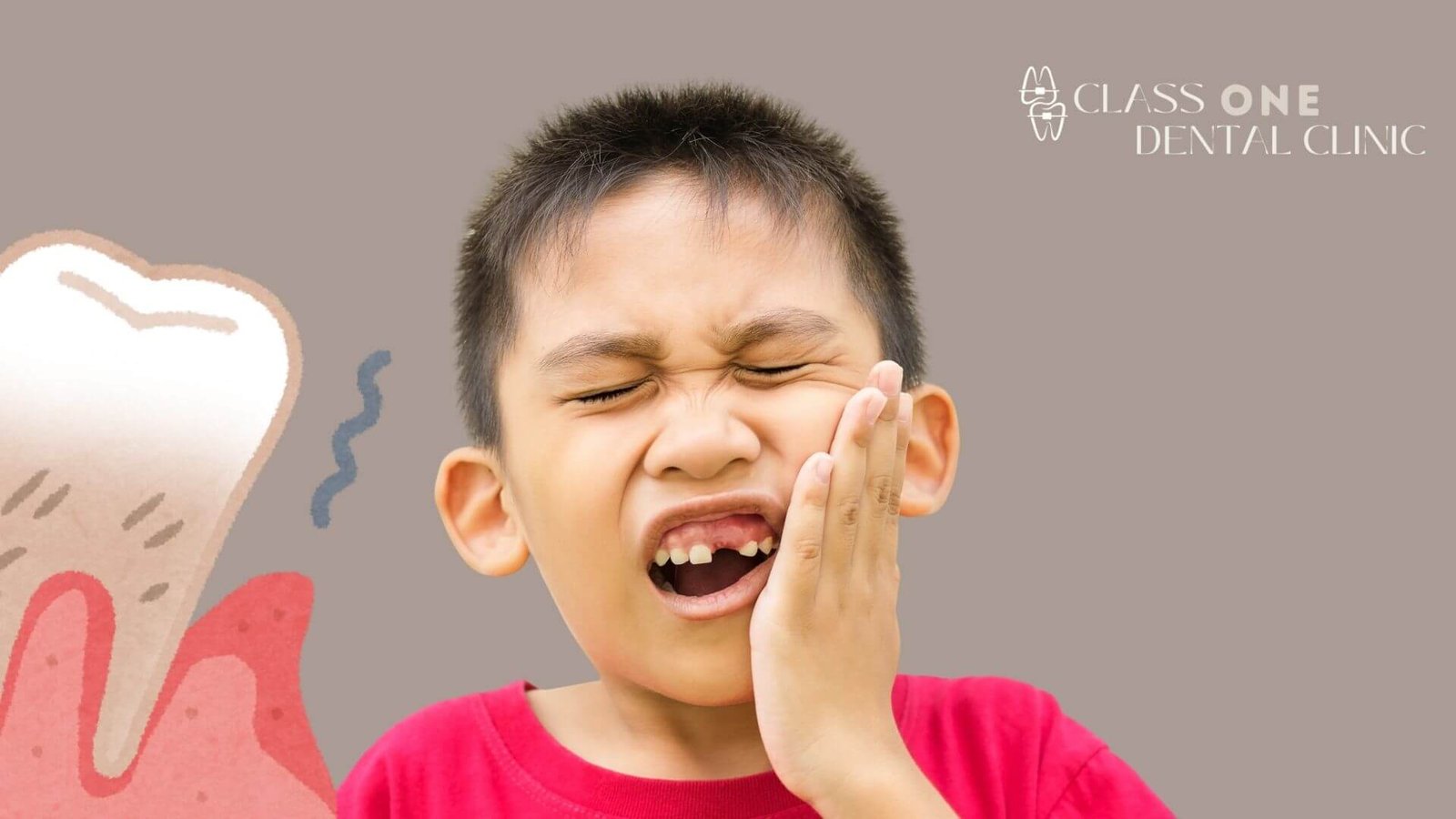
Toothache that prevents sleep is mostly related to acute pulpitis, which is inflammation of the nerve tissue inside the tooth and is often caused by deep tooth decay (cavities) that was not treated in time. When bacteria invade the pulp chamber, producing pus and a build-up of pressure, the nerve endings send signals that cause throbbing or piercing pain, which is especially noticeable at night when lying down, because slower blood return increases the pressure. A periodontal abscess is also a common culprit. This infection arises from a cyst-like pocket forming deep in the gums, accompanied by swelling and throbbing pain, and if it spreads it may affect the tissues of the face.
Trauma such as a cracked tooth or a blow can also cause similar symptoms, especially in young people who accidentally bite on something hard while playing sport. Teeth grinding or an improper bite may make tooth root sensitivity worse, and the pain lasts longer at night. Whatever the cause, pain that lasts for more than a few hours is a warning sign, showing that the problem has gone beyond simple discomfort and needs professional assessment to prevent the infection from spreading to the neck or the whole body.
A Practical Guide to Four Emergency Steps for Toothache Relief
Step 1: Ice pack. Immediately apply a cold pack to the cheek on the affected side. This is the most direct and effective physical cooling method, as it constricts local blood vessels and reduces pressure around the nerve. Wrap an ice pack or a frozen drink pack in a towel and apply it to the painful area for 10 to 15 minutes at a time, with a 5-minute rest in between, to avoid frostbite to the skin. Cold packs can quickly numb the surface nerves, and many people feel the pain ease within a few minutes. But never hold ice cubes directly in your mouth, as the sudden change in temperature could irritate the dental pulp.
Step 2: Raise your head. Adjust your sleeping position to prop up your head. Lying flat makes blood fill the head and increases the pressure inside the pulp chamber, and the pain often peaks at this point. Using two or more pillows to raise the upper body to a half-sitting position promotes venous return and eases the throbbing. This position is suitable not only for toothache but for any inflammation of the head and neck, and should be maintained until morning, when you can see a dentist.
Step 3: Salt water cleaning. Rinse your mouth gently with warm salt water. Dissolve one teaspoon of salt in a glass of warm water, rinse gently for 30 seconds and spit out, and repeat 2 to 3 times. This washes away food debris and bacteria, and the salt also has a mild anti-inflammatory effect, reducing gum swelling. But be gentle, and avoid rinsing forcefully over open wounds, to prevent bacteria from going deeper.
Step 4: An appropriate dose of pain relief medication. Take an over-the-counter painkiller. Medicines containing paracetamol (acetaminophen) can effectively block the transmission of pain signals. The usual adult dose is 500 to 1000 mg every 4 to 6 hours, but do not exceed the daily limit of 4000 mg. If ibuprofen-type medicines are available, they can also be chosen because they have an anti-inflammatory effect as well. Before taking them, confirm that you have no history of stomach ulcers or kidney problems, and take them with food to avoid stomach discomfort.
Used together, these steps can bring the pain down to a tolerable level in a short time, buying you time to see a dentist. Clinical observation shows that more than eighty per cent of patients with acute toothache can stay stable for several hours with this approach, but it is only a stopgap measure, not a long-term solution.
Wrong Ways to Relieve Toothache That Must Be Avoided
Many people instinctively try applying heat or putting medicine directly into the tooth when in pain, but these practices often backfire. Heat dilates blood vessels and speeds up the spread of pus and the inflammatory reaction, so the pain may suddenly intensify, and it can even cause an abscess to rupture. Painkiller tablets in particular must never be stuffed into a cavity, because the medicine’s ingredients come into direct contact with the exposed nerve, causing chemical burns and prolonging healing time.
Also avoid eating foods of extreme temperature or texture, such as ice-cold items, hot soup or nuts, which can trigger hot and cold sensitivity or further damage the tooth structure. Rinsing with alcohol is not suitable either, since it is highly irritating and may aggravate damage to the mucous membranes. Tobacco use delays wound healing and increases the chance of infection. Knowing these taboos helps prevent self-help from turning into self-harm.
When Toothache Means Going Straight to a Dental Emergency
If the pain is so severe that painkillers do not work, or it comes with a high fever or obvious swelling of the cheek, it is a medical emergency. These signs show that the infection has spread and may form cellulitis or Ludwig’s angina, which needs immediate intravenous antibiotics and drainage. Loose teeth, uncontrolled bleeding or difficulty swallowing also require emergency intervention, to prevent airway obstruction.
Children and the elderly call for extra vigilance. Children do not express pain clearly and are easily delayed, while the elderly face the risk of cardiovascular complications. Hong Kong public hospitals such as Queen Elizabeth Hospital or Princess Margaret Hospital have dental emergency duty rosters, and private clinics such as dental centres in the Sai Wan and Kennedy Town area also offer late-night services. Bringing your medical records and a list of your medications when you go will speed up diagnosis.
Daily habits to prevent night-time toothache: long-term prevention starts with correct brushing, using a soft-bristled toothbrush twice a day for two minutes each time, covering the gum line. Use dental floss or a water flosser to remove debris between the teeth, and have your teeth cleaned every six months to remove tartar. Reduce sugar and acidic foods in your diet, and chew in a balanced way to avoid loading one side only. Stress management and enough sleep can also reduce triggers for teeth grinding.
Regular check-ups can detect tooth decay early, and a mouthguard suits sports enthusiasts. Children should develop good habits from an early age, and adults should watch for medication side effects, such as gum overgrowth caused by certain blood pressure medicines. These measures can greatly reduce the incidence of night-time toothache.
Toothache: Frequently Asked Questions (FAQ)
Question 1: Can I take aspirin for toothache in the middle of the night? What problems might there be?
Although aspirin relieves pain, its antiplatelet effect may worsen bleeding from the gums, so it is not suitable for patients whose toothache involves bleeding. Paracetamol (acetaminophen) is recommended first, and if it does not work, see a dentist. Children and people with stomach conditions should avoid it in particular, to prevent Reye’s syndrome or worsening ulcers.
Question 2: I rinsed with salt water but the toothache continues. Is the infection serious?
Salt water rinsing only cleans the surface and cannot cure an internal infection. If the pain continues or worsens, with swelling, an abscess may be forming. Do not keep rinsing repeatedly and irritating the area; get an X-ray as soon as possible to confirm the condition of the dental pulp, to avoid delaying root canal treatment.
Question 3: Why does raising the head help toothache? How long does it last?
Raising the head reduces the hydrostatic pressure in the head and lowers the pressure inside the pulp chamber, and the pain can ease by 20 to 50%. It is suitable to maintain through the night during the acute phase, but you still need to see a dentist after daybreak. If the symptoms keep recurring, it may be a chronic pulp problem that needs a full assessment.