4 Key Ways Maxillary Expansion Can Help With Braces: Is It Right for Me?
Yes, it can help braces treatment. Maxillary (upper jaw) expansion (palatal expansion) is a common treatment used alongside braces, especially where the upper jaw is too narrow, the teeth are crowded, the bite is misaligned or there are breathing problems. For anyone planning orthodontic treatment, the key questions are not “is it fashionable?” but “do I actually need it?” and “what will it actually do for me?” Below are the 4 core benefits of maxillary expansion, together with differences by age and treatment method, so that you can better understand the role this treatment plays within an overall braces plan.
1. Correcting the Bite: Improving Crossbite Caused by a Narrow Upper and Wider Lower Jaw
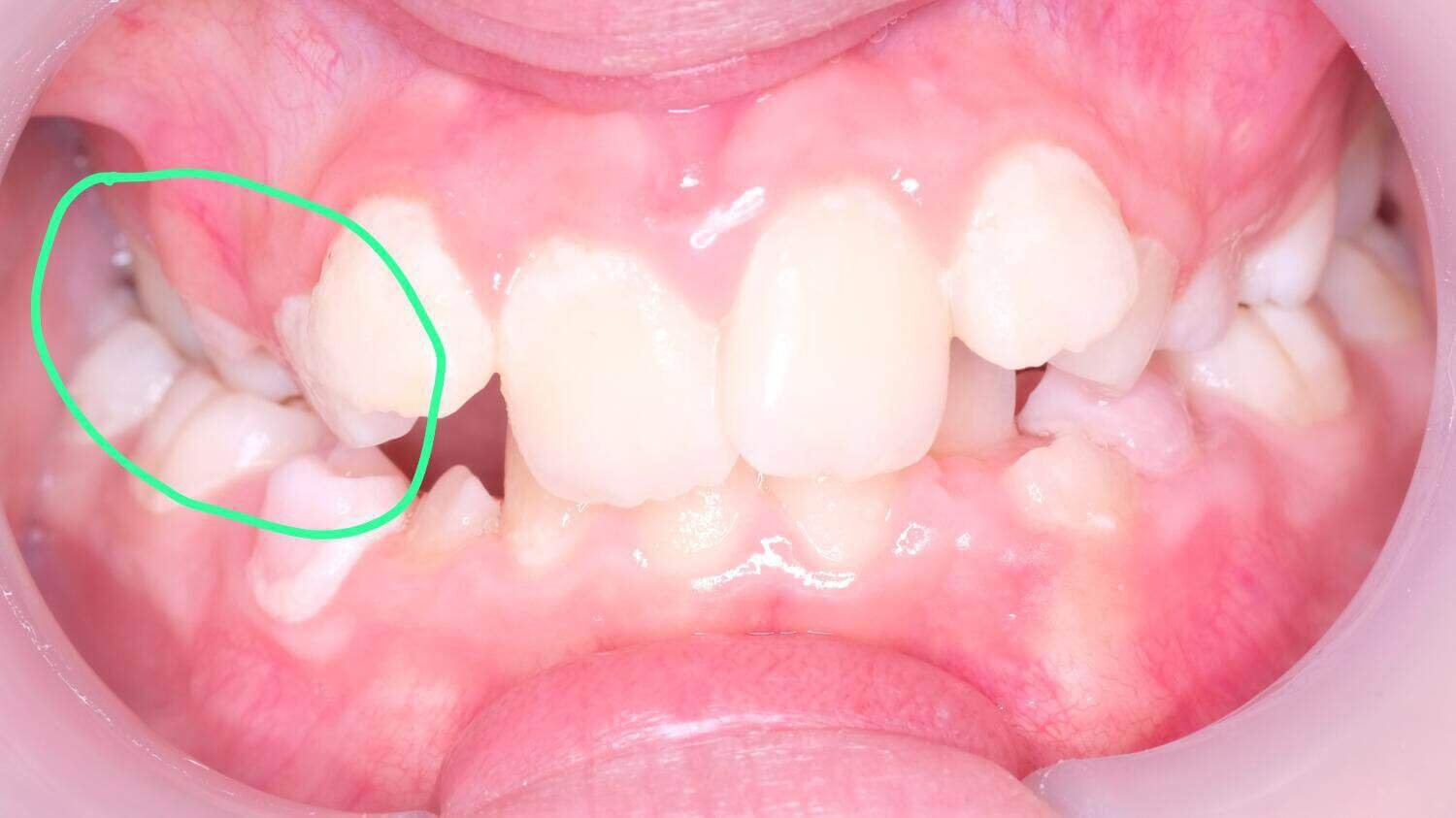
When the upper jaw is narrower than the lower jaw, the back teeth bite together in an unusual way: the upper back teeth bite on the inside of the lower ones. This is called a “posterior crossbite”. It not only reduces chewing efficiency but, over time, can also make the lower jaw shift to one side when biting, leading to functional or skeletal facial asymmetry.
The roles of maxillary expansion here include:
Widening the upper dental arch, giving the upper and lower arches a chance to line up again in the ideal position.
By improving how the back teeth bite together, spreading chewing forces more evenly between the left and right sides and helping to reduce excessive pressure on one side.
If treated early, in childhood or adolescence, many functional jaw shifts and crossbite problems can improve considerably, reducing the likelihood of needing more complex jaw surgery in adulthood. In adults who already have a marked skeletal discrepancy, additional skeletal surgery is often needed, and expansion and braces alone may not be enough.
2. Creating Space for Alignment: Reducing the Need for Extractions
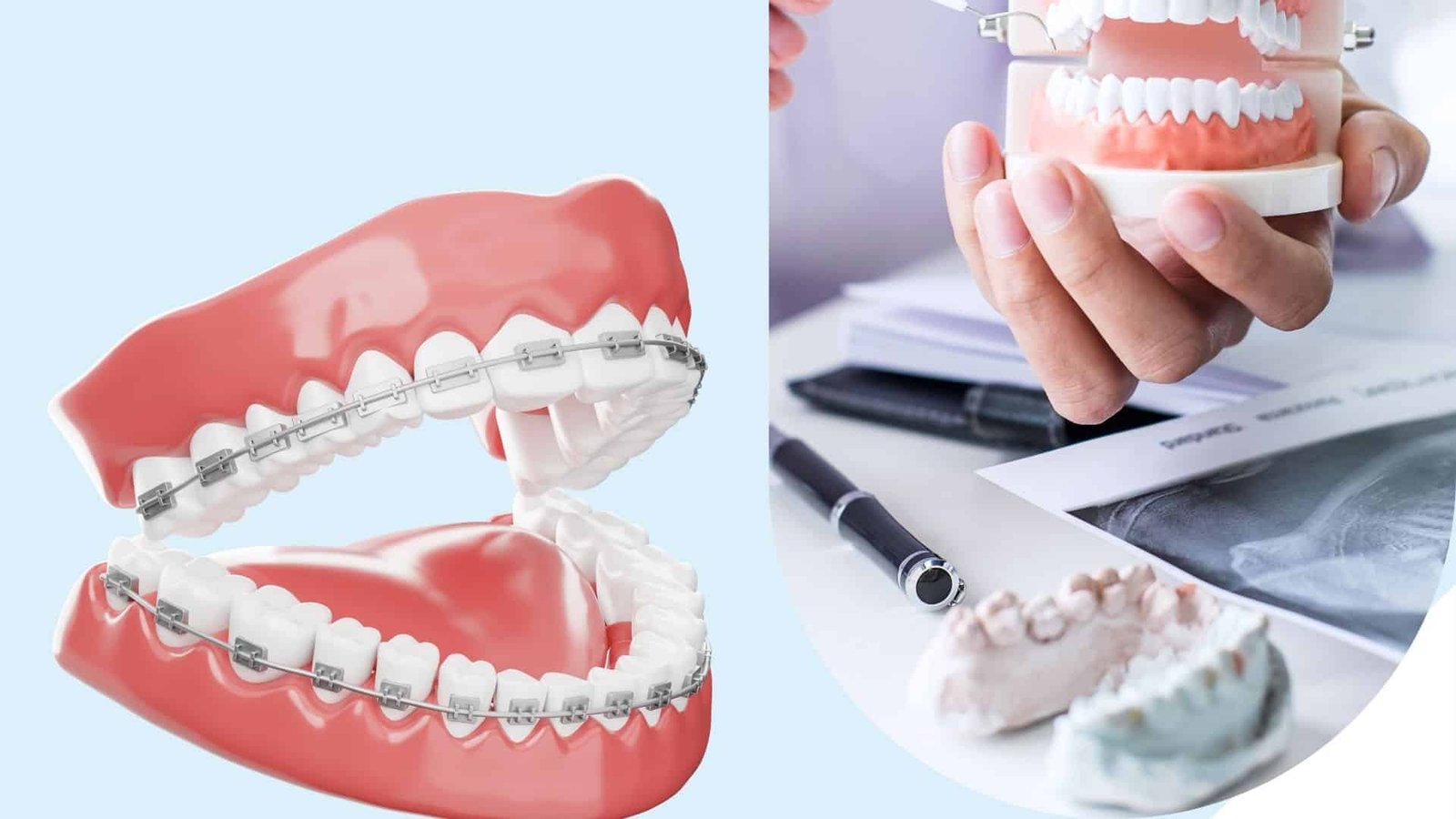
For many people, the main reason for braces is a dental arch that is too narrow and too many teeth, causing the front teeth to crowd together, overlap or even “cross over”. One traditional approach is to extract teeth (usually premolars) to create space, and then gradually straighten the teeth. Maxillary expansion is another way of increasing space:
The aim of maxillary expansion is to widen the upper dental arch from side to side, rather than simply pushing the teeth outwards.
When the skeletal width of the dental arch increases, crowded teeth can be rearranged along a larger curve, naturally reducing the chance of needing extractions (not including special cases such as impacted wisdom teeth).
It should be emphasised that whether extraction is needed is not decided by the patient or parents alone, but is assessed comprehensively based on factors such as arch size, tooth size, facial profile, lip protrusion and the bite. Some people may still need extractions even after maxillary expansion, while others can avoid extraction through expansion. This must be assessed by a professional orthodontist.
3. Improving Smile Appearance and Facial Proportions
A narrow upper jaw can sometimes make a smile look as though there are teeth in the middle and large empty spaces on both sides. This is often described in dentistry as “dark corridors” (the dark gaps at the corners of the mouth, not the kind of black triangles between teeth). It is often related to a narrow dental arch itself, rather than simply tooth colour or gaps between teeth.
The possible effects of maxillary expansion on appearance include:
Bringing the upper dental arch closer to the corners of the mouth, so that the row of teeth looks “fuller” when smiling.
If one side of the dental arch is narrowed because of skeletal asymmetry, appropriate skeletal expansion may improve facial imbalance to some extent.
Please note:
The main purpose of expansion is to improve the bite and function. Improved appearance is an “added effect”, and not every case will show an obvious change in looks.
Facial contour involves many factors, including bone, soft tissue and muscle. Maxillary expansion alone is not enough to change the facial profile completely, so expectations should be realistic.
4. Possible Benefits for Breathing and Nasal Congestion
The floor of the nasal cavity lies directly above the upper jaw. When the width of the upper jaw increases, the sideways space at the floor of the nasal cavity may enlarge relatively. Some studies and clinical observations indicate that:
After maxillary expansion, some patients experience lower nasal airflow resistance and feel that nasal breathing is smoother.
For people who habitually breathe through the mouth, often feel congested or have mild obstructive sleep apnoea, it is sometimes used as one part of an overall treatment plan.
But it is equally important to note that:
Maxillary expansion is not a cure-all for every breathing or sleep problem.
Whether it makes a significant difference to an individual patient’s sleep or breathing needs to be assessed jointly by ear, nose and throat (ENT), sleep medicine and dental specialists.
Many factors genuinely affect breathing, such as a deviated nasal septum, enlarged turbinates, laxity of the soft tissues of the throat and obesity, so you should not rely on expansion alone.
Treatment Methods: Age Is the Key Deciding Factor
There is a “midpalatal suture” in the centre of the upper jaw. In childhood it is still cartilage and fibrous tissue, and it gradually calcifies and fuses with age. Whether this suture can still be opened easily is central to choosing the treatment method.
Children and teenagers (about 8-14 years old): the suture still has room to move
At this stage the suture has not yet fully fused, so skeletal expansion is easier to achieve with a conventional palatal expander.
Common approach:
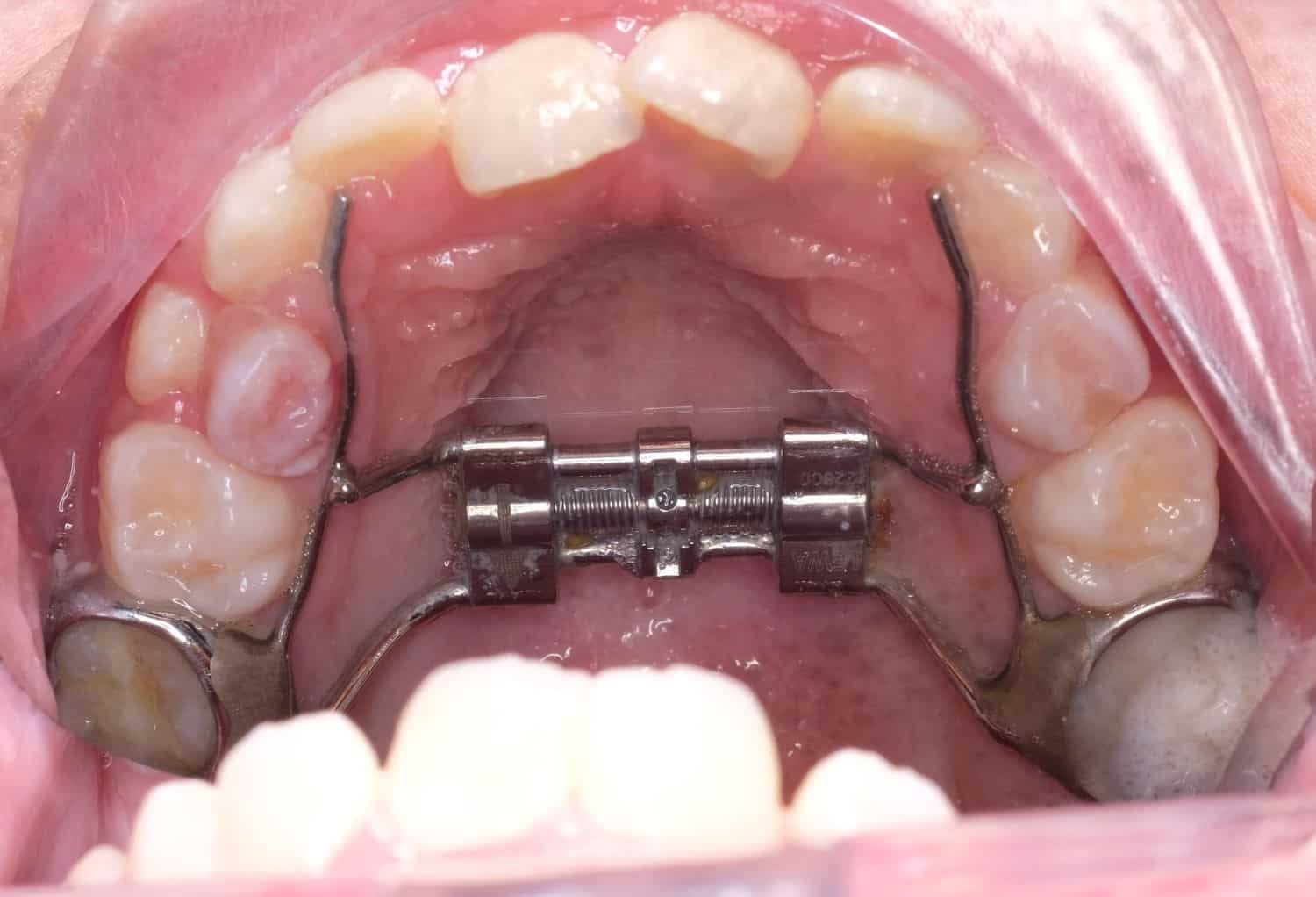
A palatal expander fixed to the upper teeth (for example the RPE type) is used, with the screw adjusted daily as instructed by the dentist so that the two halves of the upper jaw gradually move apart.
Once the suture opens, new bone fills the gap in the middle, achieving true skeletal widening rather than just moving the teeth.
Below is a real case photograph of a palatal expander:
Advantages include:
Surgery is generally not required.
Expansion is relatively fast and the results are stable.
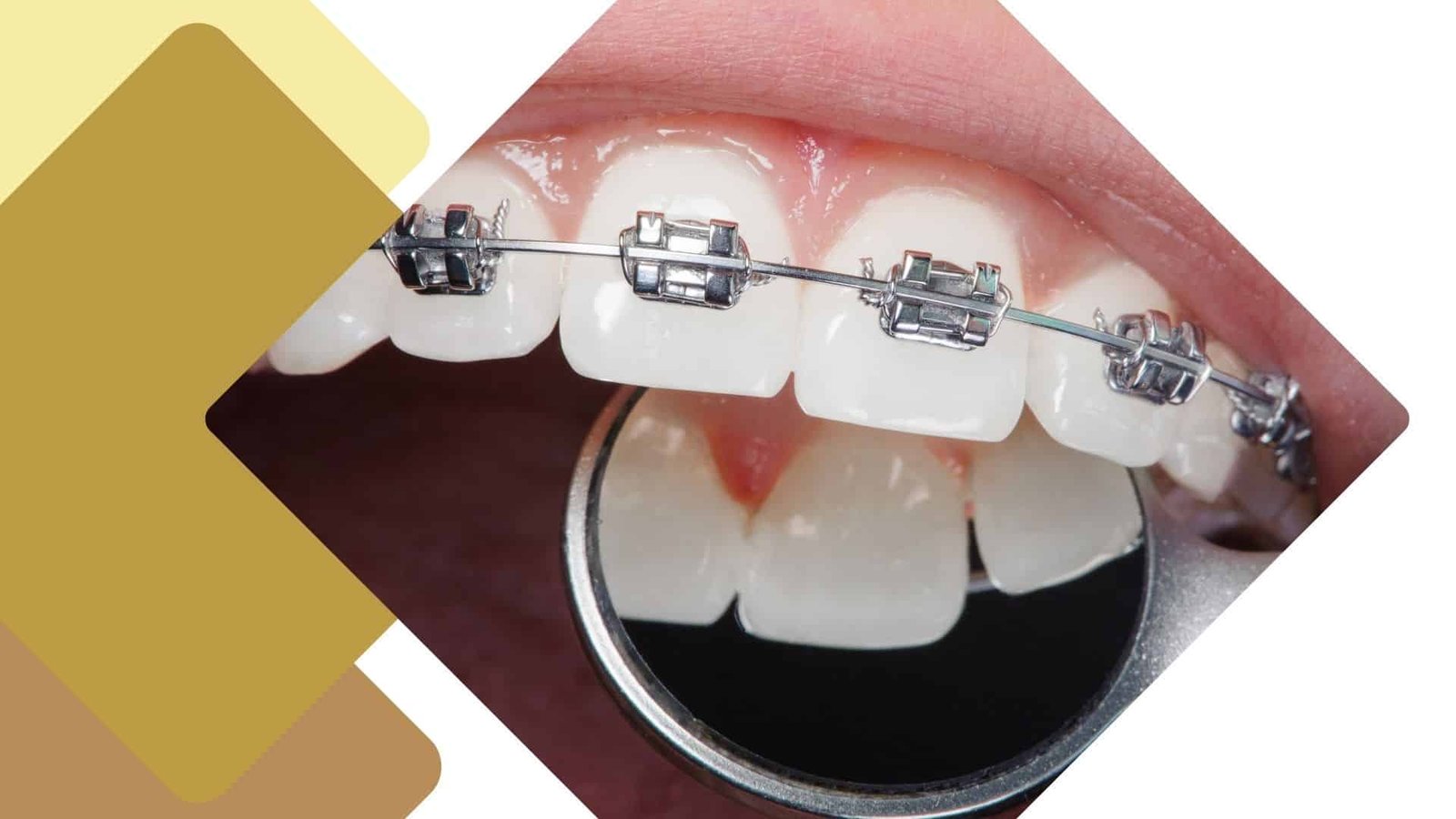
It can be followed by braces treatment (traditional metal braces or clear aligners) to further align the teeth and fine-tune the bite.
Adults: the suture has fused, so extra assistance is needed
In adults the upper jaw is mostly fully calcified and fused. If an expander supported only by the teeth is still used, the force mainly tilts the teeth rather than truly pushing the bone apart. Not only is the effect limited, but over time it may also affect the tooth roots and gums.
Commonly Used Maxillary Expansion Methods Include:
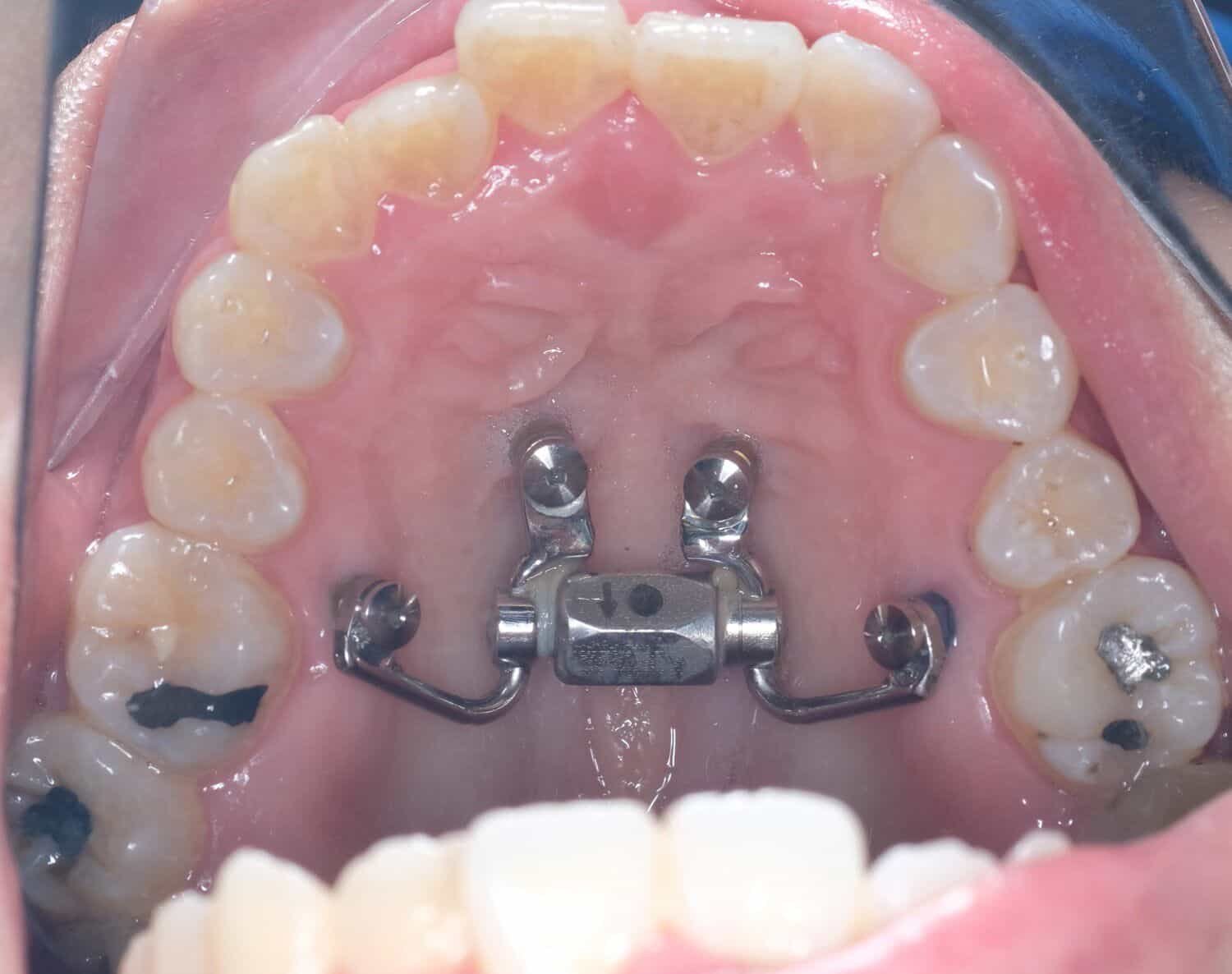
Mini-implant-assisted maxillary expansion (MSE / MARPE-type systems)
A few mini-implants are anchored into the upper jaw bone, and the expander applies force directly to the bone rather than relying on the teeth alone.
The aim is to reopen the midpalatal suture so that adults can also achieve a degree of skeletal expansion.
It suits some adults whose suture may still be able to be opened; suitability needs to be assessed with imaging.
Below is a real case photograph of mini-implant-assisted maxillary expansion (MSE / MARPE-type systems):
Surgically assisted rapid palatal expansion (SARPE)
An oral and maxillofacial surgeon makes precise cuts in the upper jaw bone under anaesthesia to loosen part of the sutures, and an expander is then used to open the jaw gradually.
It is used in adult cases where the bone is very solid or where a greater degree of expansion is needed.
It forms part of a surgical procedure, and the surgical risks, recovery period and overall treatment plan all need to be considered.
Common Experiences and the Adjustment Period During Maxillary Expansion
Maxillary expansion is not a treatment you won’t notice. Here are several things many patients experience:
A gap suddenly appears between the front teeth
When the upper jaw is successfully opened, the two front teeth usually move slightly apart, forming an obvious gap.
This is generally a normal sign that skeletal expansion has taken place, not a sign that the teeth are damaged.
During the later braces stage, the dentist can easily close this gap again with orthodontic appliances.
Temporary discomfort when speaking and eating
The expander takes up some of the space in the roof of the mouth and reduces the tongue’s range of movement, so at first speech may feel muffled and some sounds may be inaccurate, especially sharper or breathier sounds.
Swallowing and eating also take a few days to a few weeks to get used to, and in the early period you can choose softer foods or foods that are easier to bite through.
Temporary aching and tightness in the teeth and upper jaw
After each adjustment of the expander, the upper jaw or teeth may feel slightly tight or achy, which generally fades within a few days.
If you experience severe pain or marked discomfort, contact your dentist promptly to check the degree of expansion and the condition of the appliance.
Next Step: How Do I Know Whether I Need Maxillary Expansion?
Whether maxillary expansion is suitable or necessary cannot be judged from online information or selfies alone. Common points of consideration include:
How large is the difference in width between the upper and lower dental arches? Is there a posterior crossbite?
Is the crowding severe, and can the teeth be aligned by tooth movement alone?
Do the facial profile, lip protrusion and side-profile proportions allow expansion to be used instead of extraction?
Are there nasal congestion, mouth breathing or sleep problems that need to be considered across specialties?
What is the patient’s age, and how far has the midpalatal suture fused?
In actual clinical assessment, dental professionals will usually:
Examine the bite and the shape of the dental arches in detail;
Use X-rays (such as CBCT scans) to understand the state of the upper jaw suture and the positions of the tooth roots;
Record the shape and space of the dental arches with models or digital scans;
Discuss the pros and cons of different options with the patient, including traditional braces, maxillary expansion and whether surgery is needed.
Most importantly, all treatment decisions should be based on a clear diagnosis and two-way communication, rather than simply following the trend of one technique or one type of appliance.
Braces: Frequently Asked Questions (FAQ)
Question 1: Is maxillary expansion suitable for everyone with crowded teeth?
Not necessarily. Crowding can result from multiple factors, such as a narrow dental arch, large teeth, skeletal structure and facial profile requirements. In some cases expansion is more suitable than extraction, and in others the opposite is true. Only after an orthodontic specialist has assessed the arch width, facial proportions and bite can it be determined whether expansion is necessary or suitable.
Question 2: Is maxillary expansion in adults dangerous?
Because the suture has fused in adults, mini-implant assistance or surgery is usually needed, but the risks cannot be generalised. When assessed and carried out by a professional team with relevant experience, the risks in most cases are manageable. The key lies in a thorough examination before treatment, a clear understanding of possible discomfort and complications, and following the instructions for follow-up afterwards.
Question 3: Is it feasible to have ordinary braces without expansion?
It depends on the individual case. Some people can achieve a good bite with conventional orthodontic treatment alone (including clear aligners or metal braces); for others, without expansion or other skeletal treatment, extractions may be needed, and the bite or breathing problems may still not be fully resolved. Whether “braces alone are enough” must be decided through a professional examination and a complete treatment plan.