Why Do Some Braces Treatments Require Tooth Extraction?
Many people immediately think, “You must have teeth pulled,” and feel nervous just hearing about it. In fact, modern orthodontic treatment offers many ways to create more space in the dental arch and improve the bite, so not everyone needs extractions. In some situations, however, tooth extraction remains a reasonable, even necessary, option. Its purpose is to help the teeth and facial profile reach a more stable, healthier state, not to extract teeth for the sake of it. To understand why braces sometimes need to be combined with extractions, it helps to start with two core reasons: severe crowding, and severe protrusion of the mouth or “buck teeth”.
1. Braces Don’t Always Require Extractions: Clearing Up the Concept First
Before discussing in detail when extractions are needed, there are a few basic points worth understanding:
The goal of braces is not simply to “straighten the teeth”. It is to take into account the bite, gum health, tooth root positions and facial proportions at the same time.
Extraction is not a “standard feature” of orthodontic treatment. It is one option for dealing with a lack of space or an unsatisfactory bite.
Many mild or moderate crowding cases can avoid extractions through widening the dental arch, slightly moving the front teeth forward, reducing the width of the teeth slightly (IPR), maxillary (upper jaw) expansion or other methods.
The real question, therefore, is not “do braces need extractions?” but “given your oral condition and facial profile, would extraction lead to a better, more stable result?” The two main reasons below are the situations dentists most commonly consider when weighing extractions.
2. Reason One: Severe Crowding, With Insufficient Jaw Space
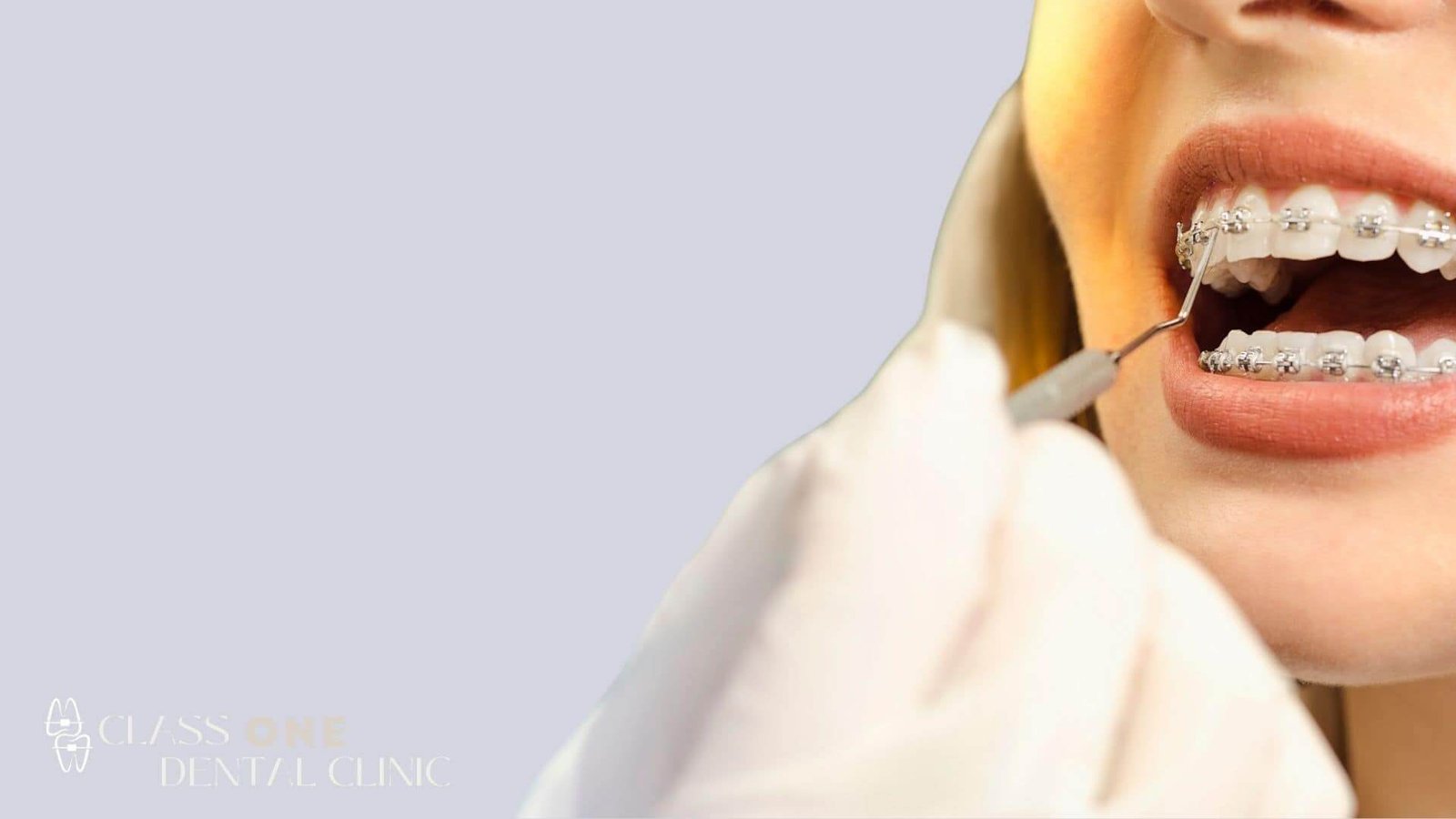
Crowding is one of the most common reasons for getting braces: front teeth that overlap, canines that stick out, teeth that pile on top of one another, and some teeth forced to hide behind others. One cause is that the jawbones (upper and lower) do not provide enough room in the dental arch to hold all the teeth in a normal alignment.
The Essential Problem of Insufficient Space
Imagine the dental arch as a curved corridor and the teeth as a row of people standing in line. If the corridor is too narrow and there are too many people in the line, some will inevitably be squeezed out, overlap or be pushed inwards. What braces do is rearrange where everyone stands. But if the corridor itself is too narrow, no matter how you rearrange the line, it will still feel cramped.
The dentist assesses space problems in several ways:
Measuring the width and length of the dental arch.
Measuring the size of the teeth and calculating their total width.
Comparing the space the dental arch can provide with the “total volume of the teeth”.
When the space in the dental arch is clearly less than the space the teeth need, and there are no longer many safe ways to expand it further, the option of “reducing the number of teeth” arises.
Why Is Extraction Actually Protective in Severe Crowding?
If you insist on keeping “all the teeth” in a case of severe crowding, several problems may arise:
The teeth are pushed outwards beyond the limits of the alveolar bone, leaving the roots without enough support and increasing the long-term risk of gum problems.
Even after straightening, the teeth remain very crowded, making them difficult to clean and prone to tooth decay (cavities) and periodontal disease.
The bite may still be unsatisfactory, with some teeth bearing too much force.
By extracting teeth at specific positions (mostly premolars), space can be made for the other teeth so that they line up within a reasonable range of the alveolar bone. It is not only about a neater appearance. More importantly:
Every tooth has enough bone support.
The spacing is moderate, making the teeth easier to clean.
Biting forces are distributed more evenly.
So in severe crowding cases, extraction is not “damage”. Instead, it is done to create a healthier alignment that is easier to maintain.
3. Reason Two: Severe Mouth Protrusion or Buck Teeth, to Improve Facial Profile and Bite
Another common reason for extraction is protrusion of the mouth or buck teeth. “Mouth protrusion” refers to the upper and lower front teeth sticking outwards, pushing the lips relatively forward so that the mouth area looks particularly prominent from the side. “Buck teeth” usually refers to upper front teeth that tilt markedly outwards, as if “blowing a whistle”.
Mouth Protrusion and Buck Teeth Are Not Just Cosmetic Issues
Front teeth that protrude excessively may affect more than appearance:
The lips cannot close naturally and have to be forced together, leading to a dry mouth or mouth breathing.
The upper and lower front teeth do not bite together well, affecting the ability to bite through food.
More broadly, the proportions of the whole face are thrown off balance: for example, the upper lip protrudes too much and the nose, forehead and chin are out of harmony.
In such cases, if the treatment relies only on “straightening the teeth” without addressing the position of the teeth relative to the jawbone, the following may happen:
After straightening, the teeth still protrude a lot; they are just neatly aligned while protruding.
The position of the lips is hardly improved, and the change to the facial profile is limited.
Why Do the Premolars Need to Be Extracted?
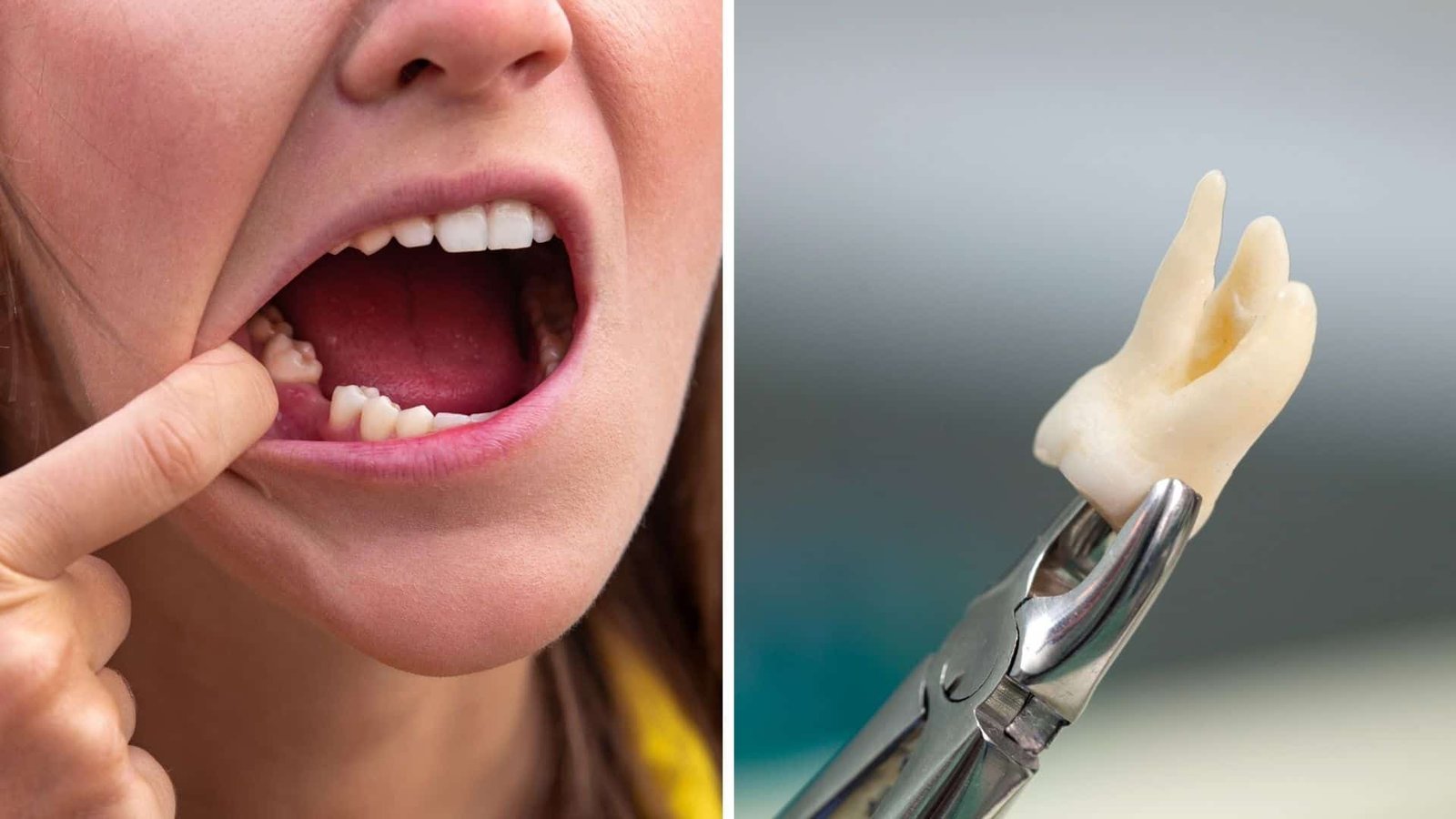
When the dentist wants to move the front teeth “back as a whole”, space must be created within the dental arch for them to retract into. The most common approach is to extract premolars from the upper and lower jaws (usually the first premolars), and then use orthodontic appliances to move the front teeth back together.
The aims of doing this include:
Reducing the protrusion of the upper lip so that the lips return to a position more harmonious with the nose and chin.
Improving buck teeth so that the angle of the front teeth is more suitable and the bite is better.
Avoiding simply “straightening the teeth” in a way that makes the mouth protrusion even more noticeable.
In other words, in cases of severe mouth protrusion or buck teeth, extraction is done to improve the overall facial profile and bite, not just “to arrange the teeth”. This is also why many dentists pay particular attention to side-profile photographs and to the proportions between the nose, lips and chin during assessment.
4. Weighing Up Braces Without Extraction Against Braces With Extraction
Now that you know extraction is mainly used for severe crowding and marked mouth protrusion, how do you tell which category you fall into? In clinical practice, the dentist will usually:
Check the space in the dental arch and the size of the teeth to assess the degree of crowding.
Assess the proportions of the side profile and observe how far the lips protrude.
Consider the limits of the alveolar bone, to avoid pushing teeth outside the bone.
Take into account age, tooth health, gum condition and the overall treatment goals.
Common situations include:
Mild crowding, normal mouth profile:
In most cases this can be managed without extraction, for example with fine interdental reduction (IPR), moderate widening of the dental arch, or maxillary (upper jaw) expansion.
Moderate crowding, slightly protruding mouth:
This needs comprehensive consideration. If the teeth are forced straight without extraction, the facial profile may become more protruding; if teeth are extracted, there is enough space and the teeth can be straightened and moved back at the same time.
Severe crowding or marked mouth protrusion / buck teeth:
Extraction is mostly preferred, to avoid pushing the teeth beyond the limits of the bone or leaving crowded areas that are hard to clean.
It is worth emphasising that whether to extract is not a “patient’s own choice”. It should be decided jointly by the dentist and the patient after fully understanding the risks and results. If you only pursue “no extraction” and ignore the bite, root positions and facial profile, the result may look fine in the short term because “no teeth were extracted”, yet lead to gum problems or an unstable bite in the long term.
5. Common Myths and Questions About Tooth Extraction
“Will extraction make the teeth loose or more likely to fall out?”
Extraction in orthodontic treatment usually means removing specific premolars, with the other teeth closing the space through the orthodontic appliance. After treatment, every tooth is still supported by the alveolar bone and is not left “hanging”. What matters is the treatment design and gum health, not the extraction itself making other teeth loose.
“Is it better to have braces without extraction?”
“No extraction” sounds more conservative, but if extraction is avoided when there is insufficient space or obvious mouth protrusion, it may:
Push the teeth too far outwards, beyond the limits of the bone.
Leave areas that are still crowded and hard to clean.
Make the mouth protrude even more, which actually affects appearance.
Therefore, whether it is “better” depends on whether it is suitable, not simply on “extracting or not extracting”.
“Can I just have my wisdom teeth removed to avoid extracting the front teeth?”
Wisdom teeth are at the very back and usually help little with the space for aligning the front teeth. Wisdom teeth are mainly extracted to deal with inflammation, impaction or other problems, not as the main way of creating space in orthodontic treatment. If space needs to be made for the front teeth, in most cases extraction of the premolars or teeth at other positions still has to be considered.
6. Questions to Ask Yourself Before Deciding on Extraction
When you are discussing whether braces require extraction, you can try asking yourself:
What matters most to me? Is it only neat front teeth, or also facial proportions, bite function and gum health?
If the dentist proposes two plans (extraction vs no extraction), what are the long-term results and limitations of each?
As for changes to my facial profile, do I hope for the mouth to be “drawn back”, or do I just want the teeth straightened?
Going to see the dentist with these questions will make it easier to get a clear answer than simply asking, “Can I avoid extraction?”
In summary, braces do not always require extraction, but in the two situations of severe crowding and severe mouth protrusion / buck teeth, extraction is often done to make space so that the teeth can line up within a reasonable range of the bone, while also improving the bite and facial profile. Whether extraction is needed should be recommended by a professional orthodontic dentist after a thorough examination, and then decided by you with a full understanding.
Braces and Tooth Extraction: Frequently Asked Questions (FAQ)
Question 1: How do I know whether I am a braces case that needs extraction?
Generally, a dentist needs to assess the degree of crowding, jaw space, facial proportions and alveolar bone position through an oral examination, X-rays and model analysis. It is hard to judge accurately from selfies or appearance alone. The dentist will explain the results and limitations of the no-extraction plan and the extraction plan, so that you understand which category you fall into.
Question 2: Will braces with extraction make my face look hollow or older?
With a sound design, extraction is mainly used to improve excessive lip protrusion and buck teeth, not to make the face “too flat”. Whether hollowing occurs depends on the original facial profile, the number of teeth extracted, how far the teeth are retracted and the support of the skeletal structure. Before treatment, the dentist will use a side-profile assessment and simulated results to avoid over-retraction.
Question 3: If I am afraid of extraction, can I try without extraction first and see the result?
The orthodontic design usually needs a clear direction from the start: extraction or no extraction. Switching from no extraction to extraction midway increases the complexity of treatment. If you are very hesitant about extraction, you can first discuss in detail with the dentist the possible results of the no-extraction plan, for example whether the crowding can really be fully resolved and whether the mouth might protrude more, and then decide whether to accept extraction, to avoid changing the plan as you go along.