
Who Is Not Suitable for Dental Implants?
In modern dentistry, dental implants have become a very common and effective way to replace missing teeth. Many people in Hong Kong face the problem of missing teeth for a variety of reasons, and implants offer a relatively durable and natural-looking solution. However, not everyone is suitable for implant surgery. In fact, certain health conditions and medical backgrounds can significantly affect the success rate of dental implants and may even lead to serious complications. Class ONE Dental Clinic, a dental clinic in Kennedy Town, Sai Wan, on Hong Kong Island, is committed to providing patients with professional dental consultations and assessments. This article explains in detail which groups of people are not suitable for implant surgery and the medical reasons behind this, to help patients make more informed decisions.
Why Patients Who Have Had Head and Neck Radiotherapy Are Not Suitable for Dental Implants
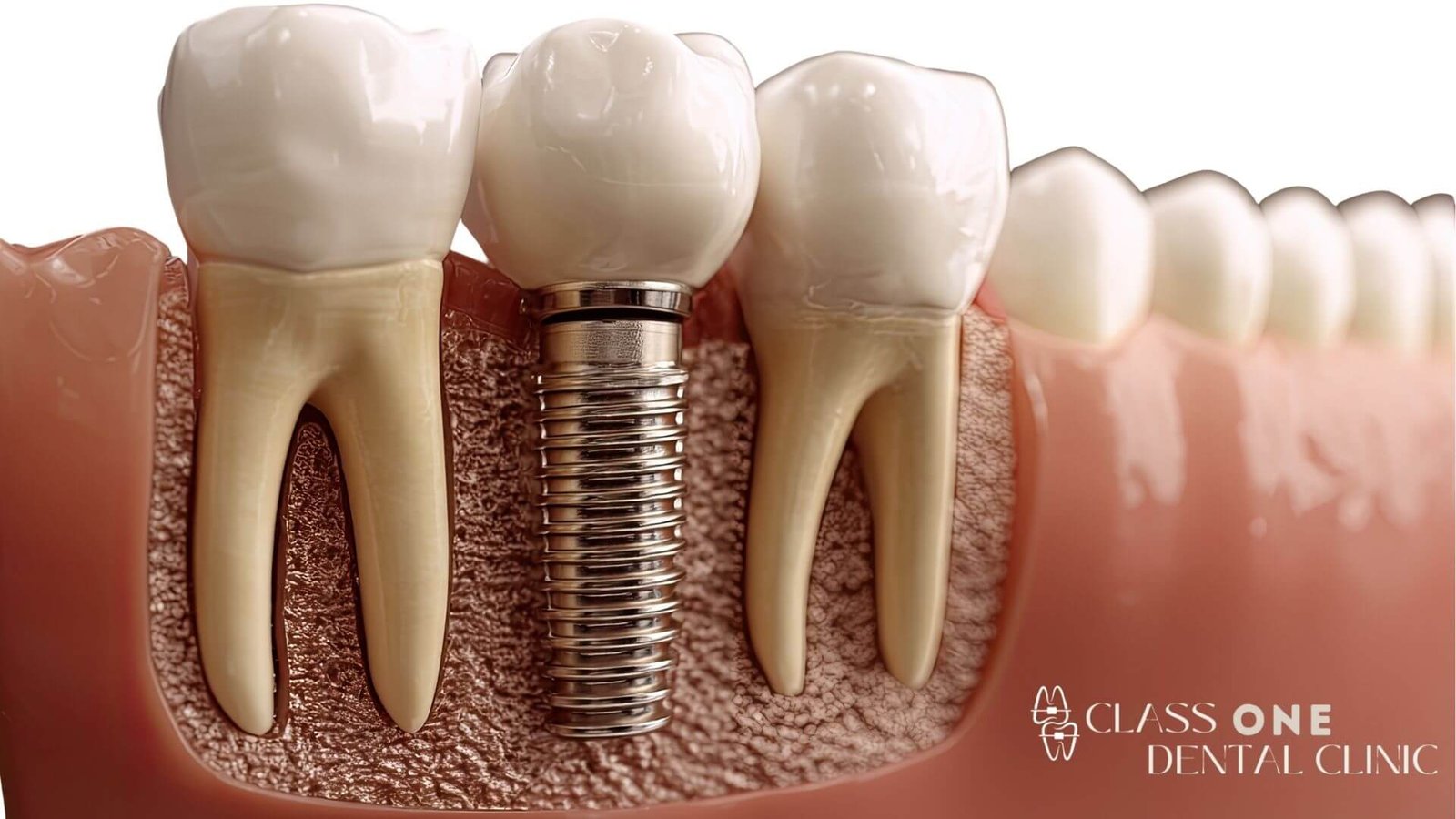
Many cancer patients in Hong Kong receive radiotherapy to the head and neck during treatment, including for nasopharyngeal cancer, oral cancer and throat cancer. Although radiotherapy can effectively suppress the growth of cancer cells, it also causes irreversible damage to normal tissue. When high-energy radiation passes through the tissues of the head and neck, it damages the blood vessels and cells within the bone. This damage is long-lasting and continues to affect the patient’s health after treatment has ended.
Specifically, radiotherapy directly affects the osteoblasts (bone-forming cells) and the blood supply system within the jawbone. Osteoblasts are the cells responsible for producing new bone, while the blood supply provides the nutrients and oxygen needed for bone repair. Once these systems are damaged, the jawbone’s ability to repair itself drops significantly. This is critical to the success of dental implants, because an implant needs the bone to fuse with the artificial implant. This process is known as “osseointegration” and usually takes several months.
For patients who have had head and neck radiotherapy, the main risk is “osteonecrosis of the jaw”. When this occurs, the damaged bone cannot repair itself, leading to the death of bone tissue. Once osteonecrosis develops, patients may experience severe pain, infection and pus discharge, and may even require surgery to remove bone. This condition seriously affects a patient’s quality of life, and treatment is complicated and lengthy. According to research from the Faculty of Dentistry at the University of Hong Kong, patients who have had radiotherapy produce less saliva and have reduced oral immunity, which further increases the risk of infection.
According to international dental guidelines, bone metabolism has still not fully returned to normal within two years of stopping head and neck radiotherapy. Implant surgery is therefore not recommended during this period. Even after two years, patients still need a detailed assessment and may need special bone examinations, such as a CT scan, to confirm whether the condition of the bone is suitable for implants. Some patients may even need to wait longer, or undergo additional bone augmentation surgery to improve the condition of the bone.
Patients with Osteoporosis and the Serious Risks of Osteoporosis Medication
Osteoporosis is a common bone metabolism disease, particularly among older people and postmenopausal women. Patients have reduced bone density, which makes fractures more likely. To treat this condition, many patients take osteoporosis medication, the most common being bisphosphonates such as alendronate (brand name Fosamax). According to Hong Kong health statistics, more than 800,000 people in Hong Kong are receiving treatment for osteoporosis.
Surprisingly, however, these drugs, which are intended to protect the bones, can pose a serious threat to dental implants. Bisphosphonates work by inhibiting the activity of osteoclasts, which prevents bone loss. Osteoclasts are the cells responsible for clearing away old bone, while new bone is produced by osteoblasts. By inhibiting osteoclasts, bisphosphonates can increase bone density, but the side effect is that they upset the normal metabolic balance of the bone.
It is this metabolic imbalance that leads to the most serious complication, medication-related osteonecrosis of the jaw, known medically as MRONJ. In this condition the jawbone cannot repair itself and the bone tissue may even die. According to medical research, the way the drug is given affects the level of risk. For patients taking oral bisphosphonates, the incidence of osteonecrosis of the jaw is relatively low, at about 0.04 to 0.07%. But if the patient receives intravenous bisphosphonates, the risk rises sharply to 1 to 3%. This means that among every 33 to 100 patients receiving intravenous medication, one may face the risk of osteonecrosis of the jaw.
In addition, the duration of medication is also a key factor. If a patient has been taking osteoporosis medication for more than three years, the risk of implant failure and complications increases by 2.5 times. This means that patients who have relied on these drugs for a long time need a particularly careful assessment of whether they are suitable for dental implants. Even if a patient decides to go ahead with implants, they need to work closely with their orthopaedic doctor to assess whether the medication can be stopped temporarily. In general, it is recommended that low-risk patients stop the medication for two months, medium-risk patients for three to four months, and high-risk patients for six months or more. After stopping the medication, patients need to wait at least three months for the drug to be fully cleared from the body before implant surgery can be carried out.
The Special Risks for Patients with a Bleeding Tendency and Blood Clotting Disorders
Patients with abnormal blood clotting face a particular problem: their blood cannot clot effectively to stop bleeding during surgery. Implant surgery involves making a wound in the jawbone and placing an artificial implant. If a patient has a bleeding tendency, the amount of bleeding during and after surgery increases greatly, leading to serious complications.
The consequences of uncontrolled bleeding include blood collecting in the surgical area and forming clots, which not only interferes with wound healing but can also lead to infection. In the longer term, excessive bleeding may cause the patient to lose too much blood and require a blood transfusion. In addition, repeated bleeding after surgery prolongs wound healing and may even prevent the implant from integrating properly with the bone. In some extreme cases, continuous bleeding can endanger the patient’s life.
Clotting disorders can have many causes. Some patients are born with blood disorders, such as haemophilia or other inherited clotting disorders. Others need to take anticoagulants long term, such as warfarin or aspirin, because of heart disease or the risk of stroke. These patients also face an increased risk of bleeding. Some patients may have been taking anticoagulants for years without telling their dentist, which is a very dangerous situation.
For these patients, comprehensive blood tests must be carried out before implant surgery, including clotting time, platelet count and tests of the relevant clotting factors. Implant surgery can only be considered when the blood test results confirm that it is safe, and on the advice of a haematologist or cardiologist. In some cases, the doctor may recommend that the patient temporarily stop taking anticoagulant medication, but this decision must be made under the guidance of medical professionals, because stopping the medication may increase other health risks.
Implant Challenges and Risk Assessment for Patients with Severe Diabetes
Diabetes is a very common chronic disease in Hong Kong, affecting millions of people. In patients with diabetes, blood sugar control is impaired, leading to a series of physiological imbalances. For dental implants, patients with diabetes face multiple challenges.
First, a state of high blood sugar weakens the function of the patient’s immune system. The immune system is essential for preventing infection, and implant surgery creates a wound inside the mouth. In patients whose blood sugar is poorly controlled, the immune environment in the mouth deteriorates significantly, and the risk of bacterial infection rises markedly. Once the surgical area becomes infected, the bone around the implant may become inflamed and the implant may even fail. Studies show that in diabetic patients with poor blood sugar control, the implant failure rate can be up to three times that of the average person.
Second, high blood sugar seriously affects the wound’s ability to heal. When blood sugar is high, it damages blood vessels and nerve tissue, which in turn affects blood flow and the supply of nutrients. Tissue repair and healing both depend on adequate blood circulation and nutrition. As a result, in patients whose blood sugar is poorly controlled, wound healing after surgery is markedly delayed. This directly affects osseointegration, since the implant must fuse with the surrounding bone to succeed. Normally, osseointegration takes three to six months, but in patients with poor blood sugar control this process may take several times longer.
More seriously, high blood sugar also leads to hardening of the blood vessels, which further reduces blood flow. This creates a vicious circle: reduced blood flow, insufficient nutrient supply, further delayed wound healing and a continually rising risk of infection. In addition, high blood sugar changes the composition of the patient’s saliva, reducing the mouth’s ability to cleanse itself and further increasing the risk of infection.
The consensus in the dental profession is that implant surgery can only be considered when a diabetic patient’s blood sugar is well controlled. The specific criteria are that the patient’s average blood sugar should be between 80 and 120 mg/dL, and glycated haemoglobin (HbA1c) should be below 7%. Glycated haemoglobin is an indicator that reflects blood sugar control over the past three months, and it reflects a patient’s blood sugar control more accurately than a single blood sugar test. If a patient can meet these standards, implant surgery can still be carried out following the doctor’s assessment, but closer monitoring and care are needed. The patient needs to maintain stable blood sugar control before, during and after surgery.
Other Health Conditions That Make Dental Implants Unsuitable
Besides the three main risk factors above, many other health conditions can also affect the success of dental implants. For example, patients with a severely impaired immune system, whether because of medication or the illness itself, are not suitable for implant surgery. The bodies of these patients cannot fight infection effectively and cannot support normal wound healing. This includes patients infected with the human immunodeficiency virus (HIV), patients on long-term immunosuppressants, and patients who have had organ transplants.
Patients with serious liver and kidney disease also face risks. The liver and kidneys are the body’s main organs for detoxification and metabolism. When these organs are impaired, the patient’s ability to metabolise drugs declines, which may cause drugs to build up in the body to harmful levels. In addition, liver and kidney disease affects protein synthesis, and protein is essential for wound healing. A lack of protein reduces the ability of wounds to heal and increases the risk of infection.
Cancer patients who are undergoing chemotherapy are also not suitable for implant surgery. Chemotherapy drugs suppress the bone marrow, causing platelet and white blood cell counts to fall, which directly affects blood clotting and immune function. In addition, chemotherapy can cause bone loss, further reducing the chance of implant success. In general, patients need to wait at least three months after completing chemotherapy before implant surgery can be considered.
Patients with uncontrolled periodontal disease should also postpone dental implants. Periodontal disease causes loss of the bone that supports the natural teeth. If the periodontal disease is not treated first, similar inflammation and bone resorption can easily occur again around the implant, leading to implant failure. Patients should first undergo periodontal treatment and bring their periodontal condition under stable control before implants are considered.
Special Considerations for Pregnant and Breastfeeding Patients
Women who are pregnant or breastfeeding should also not undergo implant surgery. During this period, a pregnant woman’s body goes through major physiological changes, and hormone levels fluctuate noticeably. These changes affect wound healing and osseointegration. In addition, using certain anaesthetics and medications during pregnancy may pose a risk to the foetus. Even if these risks are relatively small, non-urgent surgery is not worth undertaking during this special period.
Likewise, women who are breastfeeding should wait until they have finished breastfeeding before having dental implants. Surgery and the related medication may be passed to the baby through breast milk, causing potential risks. Patients are advised to wait three to six months after breastfeeding has stopped completely before considering implant surgery.
The Importance of Pre-Implant Assessment and Our Recommendations
Given the many risk factors above, patients must undergo a comprehensive medical assessment before deciding to have implant surgery. This includes not only a dental examination but also a general health check. Patients should disclose their medical history to the dentist in detail, including any past radiotherapy or chemotherapy, all medication they are currently taking, and diagnoses of chronic illnesses. Concealing any medical information is very dangerous and may lead to serious surgical complications.
The dentists at Class ONE Dental Clinic carry out a detailed consultation and assessment, and work with the patient’s other medical professionals (such as oncologists, physicians, haematologists and endocrinologists) to ensure that implant surgery is safe. In some cases, patients may need blood tests, a CT scan or other imaging before surgery to fully assess whether the procedure is feasible.
Patients should prepare a list of their medication, setting out everything they are currently taking, including prescription drugs, over-the-counter drugs and herbal supplements. They should also prepare a medical history, including past operations, hospital stays and diagnoses of chronic illnesses. This information is essential for the doctor’s risk assessment.
Dental Implant FAQ
Question 1: If I have had head and neck radiotherapy, can I never have dental implants?
Patients who have had head and neck radiotherapy are not completely unable to have dental implants, but they need to be assessed carefully. The key factor is how long it has been since radiotherapy stopped. International guidelines recommend that patients wait at least two years after radiotherapy has stopped before considering implant surgery. Even after two years, patients still need a detailed assessment, including a CT scan, to confirm the condition of the jawbone. Some patients may need additional bone augmentation surgery to improve the condition of the bone. In addition, patients need to talk to their original oncologist to confirm that radiotherapy has been fully completed and that there are no signs of recurrence. With sufficient assessment and preparation, many head and neck cancer survivors can still have implant surgery successfully.
Question 2: I am taking osteoporosis medication. Do I have to stop it before having dental implants?
You do not necessarily need to stop the medication completely, but it depends on the specific type of drug and how it is given. If the patient is taking an oral bisphosphonate and has been on it for less than four years, the risk is relatively low. In this case, stopping the medication may not be necessary. But if the patient receives an intravenous bisphosphonate, the situation is more complicated. It is recommended to wait at least three months after the last injection before implant surgery. The injections can then be resumed at least three months after the implant has been completed. Most importantly, communicate closely with your orthopaedic doctor, carry out a risk assessment and draw up a personalised treatment plan. Class ONE Dental Clinic will help patients coordinate with their other medical professionals.
Question 3: My blood sugar control is not ideal. Will I never be able to have dental implants?
Poor blood sugar control does not rule out dental implants forever, but blood sugar control needs to be improved first. Diabetic patients should work with an endocrinologist, through lifestyle changes, adjustments to medication or both, to bring their average blood sugar to between 80 and 120 mg/dL and keep glycated haemoglobin below 7%. Once these targets are reached, the patient can consider having implants. Blood sugar should be kept stable before, during and after surgery, and closely monitored together with the doctor. Many diabetic patients with well-controlled blood sugar have had implant surgery successfully. The key is thorough preparation and ongoing blood sugar management.