Four Criteria for Choosing a Teeth Cleaning Clinic
Teeth cleaning (scaling and polishing) is an important part of maintaining oral health, and choosing the right clinic directly affects both the results and your safety. In recent years there have been worrying cases in Hong Kong of unlicensed or unlawful individuals providing dental services. To protect public health, you should be especially careful when choosing a teeth cleaning clinic. We suggest using the four key criteria below, and choosing a clinic with recognised professional qualifications, to make sure you receive safe and reliable teeth cleaning services.
Professional Dental Accreditation Is the Foundation of Safety
The first criterion in choosing a teeth cleaning clinic is to confirm that the practising dentist holds valid professional accreditation. Under the requirements of the Dental Council of Hong Kong, every dentist practising in Hong Kong must pass a rigorous licensing examination and hold a dental degree or qualification recognised by the Council. Qualified dentists display their practising certificates publicly, and these certificates must be renewed every year to ensure the dentist continues to meet professional requirements.
You can check the list of registered dentists on the Dental Council of Hong Kong website to verify a dentist’s professional qualifications and credentials. Reputable dental clinics display the dentists’ academic certificates, professional accreditations and practising licences in a prominent place, so that patients can clearly understand the doctor’s background. Professional accreditation shows not only that the dentist has sufficient medical knowledge and skills, but, more importantly, that they are subject to legal regulation and professional conduct rules, giving patients a basic level of safety.
Under the Dentists Registration Ordinance, it is an offence for anyone who is not a registered dentist to practise as a dentist in Hong Kong, and on conviction the maximum penalty is a fine of HK$100,000 and imprisonment for 3 years. Choosing a dental clinic with proper accreditation therefore not only safeguards the quality of treatment but also avoids the risk of breaking the law. Qualified dentists also take part in continuing professional development courses on a regular basis, to keep up with the latest medical techniques and safety standards.
The Importance of Examination and Professional Oral Health Advice
A good teeth cleaning clinic does not merely carry out routine cleaning. It also performs a detailed oral examination before and after treatment and gives professional advice tailored to each individual. A professional dentist will use appropriate instruments to check the condition of the gums, the amount of tartar build-up, tooth decay and other potential oral problems, and will explain the findings to the patient in detail.
During the cleaning, the dentist or a professionally trained dental hygienist will assess the patient’s oral health, including the distribution of plaque, signs of periodontal disease and bite problems, and give personalised oral care advice. For example, they may recommend specific oral hygiene products, adjust your brushing technique or arrange regular follow-up appointments, helping patients maintain long-term oral health.
A professional clinic will choose a suitable cleaning method, such as ultrasonic scaling, manual scaling or air polishing (sandblasting), according to factors such as the patient’s gum sensitivity and the thickness of the tartar. After treatment, the dentist will evaluate the cleaning results and provide aftercare guidance, including dietary precautions and mouthwash recommendations. This comprehensive examination and advice is an important standard that distinguishes a professional clinic from an ordinary cleaning service.
High-Quality Dental Equipment Ensures Effective and Safe Treatment
Modern teeth cleaning equipment greatly improves treatment results and patient comfort. A professional teeth cleaning clinic should be equipped with advanced instruments such as an ultrasonic scaler, a digital intraoral scanner and a high-resolution oral imaging system. An ultrasonic scaler produces high-frequency vibrations which, together with a flow of water, effectively remove tartar and plaque, and is more thorough and generally more comfortable than traditional manual scaling.
A high-quality clinic will introduce equipment such as 3D computed tomography (CT) scanning and digital intraoral scanners, which allow hidden oral problems to be diagnosed more accurately and precise treatment plans to be drawn up. The sophistication of the equipment directly affects diagnostic accuracy and treatment results, and also reflects how seriously the clinic takes the quality of care.
Besides treatment equipment, the sterilisation system is equally important. A professional clinic must be equipped with a high-temperature, high-pressure sterilisation system to ensure that all instruments are thoroughly disinfected. Qualified sterilisation equipment can reach a vacuum level of -90 kPa or better and uses an instant steam generator to ensure sterilisation is thorough and effective. The clinic should have a complete instrument disinfection procedure, including pre-cleaning, packaging, sterilisation and storage, and keep sterilisation records as the basis for quality control.
The Hygiene Standards of the Clinic Environment Must Not Be Overlooked
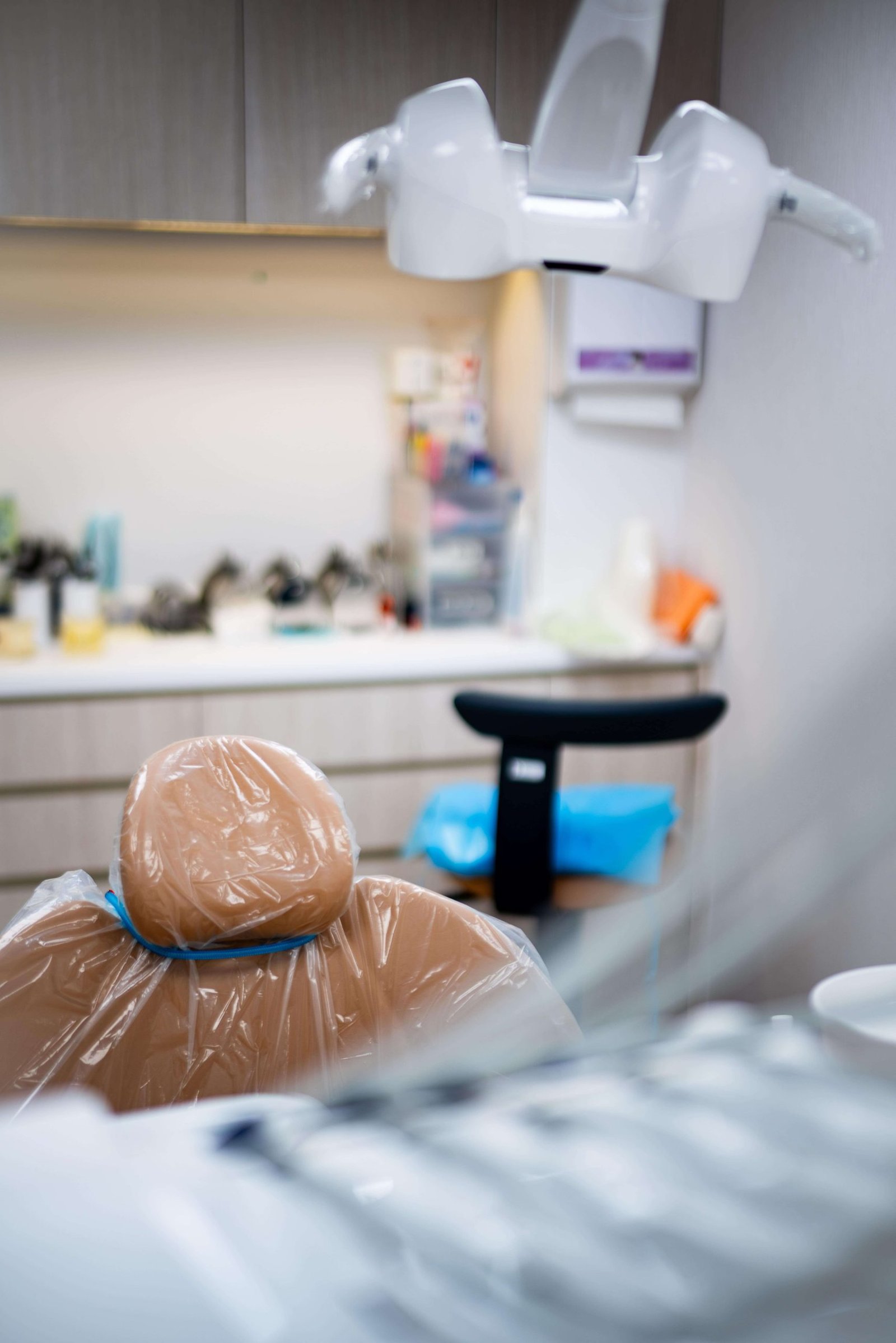
The hygiene of a dental clinic’s environment is directly related to the risk of cross-infection and the safety of treatment. A professional dental clinic must maintain strict hygiene standards, covering the cleaning and disinfection of treatment rooms, air quality control, medical waste disposal and more. The treatment environment should be clean and bright, with an appropriate ventilation system to ensure good air circulation and quality.
A high-quality clinic will establish standardised infection control procedures, and all staff must wear appropriate protective equipment, including masks, gloves and protective gowns. Treatment instruments must go through strict cleaning, disinfection and sterilisation procedures, and single-use items should be unwrapped in front of the patient to avoid the risk of reuse.
The clinic should have a dedicated area for cleaning and disinfecting instruments, equipped with an ultrasonic cleaner, high-temperature, high-pressure sterilisation equipment and so on. Medical waste must be sorted, collected and disposed of as required by law, and must not be discarded casually. The waiting area and treatment area should be deep-cleaned regularly, and the environment disinfected with medical-grade disinfectant.
Professional Dental Services at Class ONE Dental Clinic, Kennedy Town, Sai Wan
Based on the four criteria above, Class ONE Dental Clinic has always worked to maintain the quality of its dental services. Dr. Nic holds a Bachelor of Dental Surgery from the University of Hong Kong and a number of international professional qualifications, including Membership of the Faculty of Dental Surgery of the Royal College of Surgeons of Edinburgh (MFDS RCSEd). He has practised in private dental clinics in Hong Kong for more than ten years and has extensive clinical experience and professional skills.
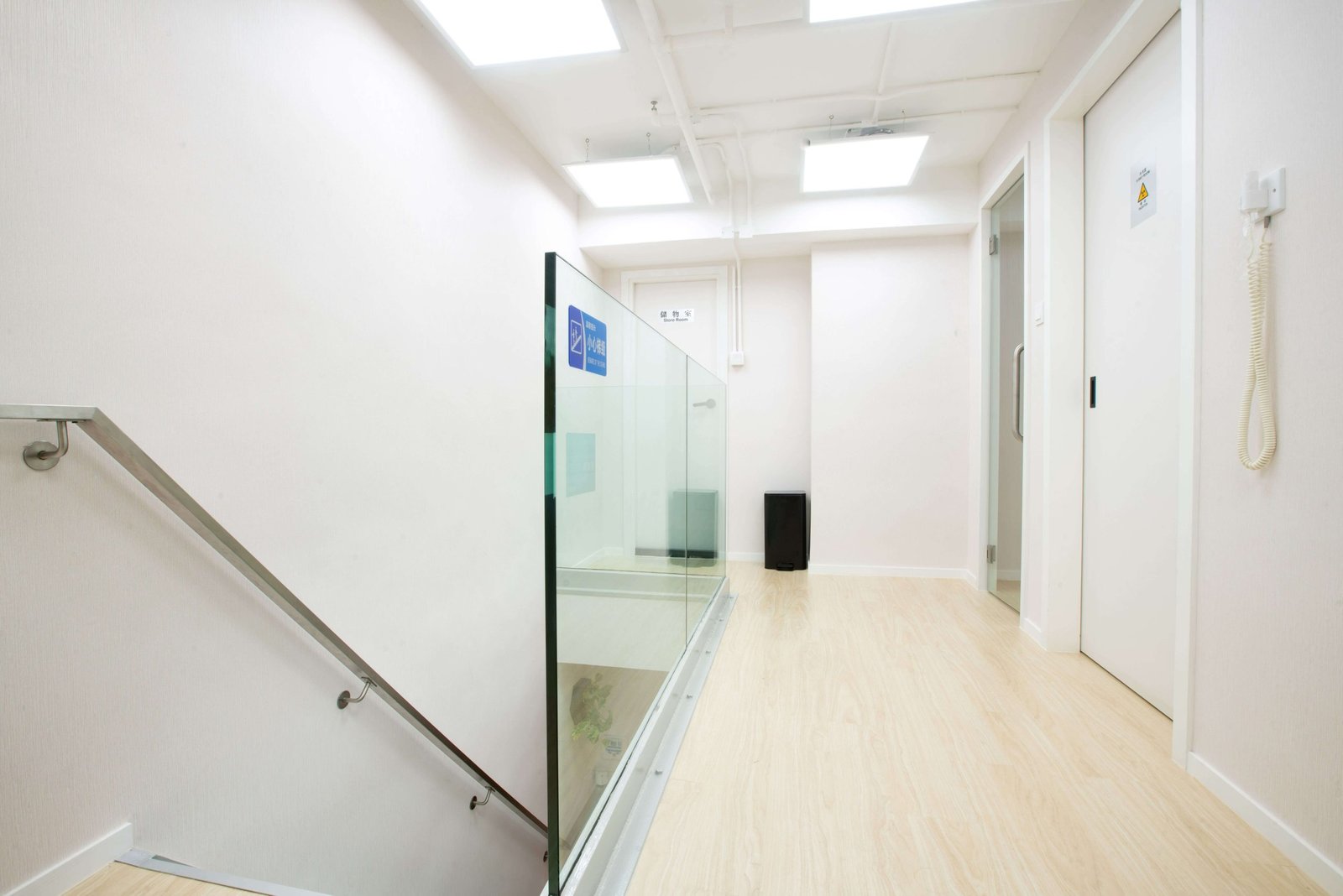
Class ONE Dental Clinic is located on the waterfront in Kennedy Town. The clinic has a clean, fresh and simple environment, with modern teeth cleaning equipment and a strict sterilisation system. Dr. Nic carries out a detailed oral examination for every patient and provides personalised treatment advice and oral care guidance. The clinic upholds professionalism and integrity, with transparent and reasonable fees and no pressure to buy additional treatments, and we are grateful to have long been trusted by local residents.
Frequently Asked Dental Questions in Hong Kong
Q: How can I confirm that a dental clinic’s professional accreditation is valid?
A: You can check the list of registered dentists on the official website of the Dental Council of Hong Kong to verify the dentist’s name, registration number and practising status. Legitimate clinics display the dentist’s practising certificate, academic certificates and other documents in a prominent place. If you have any doubts, you can call the Dental Council to enquire, and you should not visit a clinic that cannot provide the relevant proof.
Q: What are the specific risks of unlicensed dental services?
A: Unlicensed practitioners lack professional training, which may lead to serious problems such as improper procedures, inadequate sterilisation of instruments and cross-infection. Patients may face consequences such as gum damage, nerve damage, oral infections and the risk of infectious diseases, and may even need long-term restorative treatment. In addition, practising without a licence is illegal, and patients may also bear legal risks.
Q: What other factors should I consider when choosing a teeth cleaning clinic?
A: Besides professional accreditation, equipment and environment, you should also consider factors such as the clinic’s service attitude, fee transparency and ease of booking. We recommend choosing a clinic that is willing to explain the treatment process in detail, provides clear fee standards and does not pressure you into buying extras. You can refer to reviews from other patients and give priority to clinics with a good reputation.