Tooth Health and Dental Filling Knowledge for 2026
Healthy teeth are an important foundation of overall health, and many people in Hong Kong run into dental problems in daily life. Among these, whether a filling is needed is one of the most common questions. Some people worry that a filling may not be necessary and delay treatment, while others are afraid of the filling procedure. Class ONE Dental Clinic, a dental clinic in Kennedy Town, Sai Wan, Hong Kong, has served thousands of patients over the years and built up extensive clinical experience. This article explores in detail when fillings are necessary, how different degrees of tooth damage are treated, and how to choose a dental clinic that suits you.
Understanding Tooth Structure and How Tooth Decay Forms
To judge whether you need a filling, you first need to understand the basic structure of a tooth. From the outside in, a tooth has three layers. The outermost layer is the enamel, the hardest substance in the human body, but one that is easily eroded by acids and bacteria. The middle layer is the dentin, which is softer than enamel and contains nerve channels. The innermost layer is the dental pulp, which contains blood vessels and nerves. When a tooth is corroded by acid produced by bacteria, tooth decay (cavities) forms. Early decay affects only the enamel and may cause no symptoms at all. Over time, if left untreated, the decay gradually goes deeper into the dentin and may eventually reach the dental pulp, leading to pulpitis and even more serious dental problems. Understanding this process helps you better appreciate the importance of fillings.

Signs of Mild Tooth Decay (Cavities) and Why a Filling Is Necessary
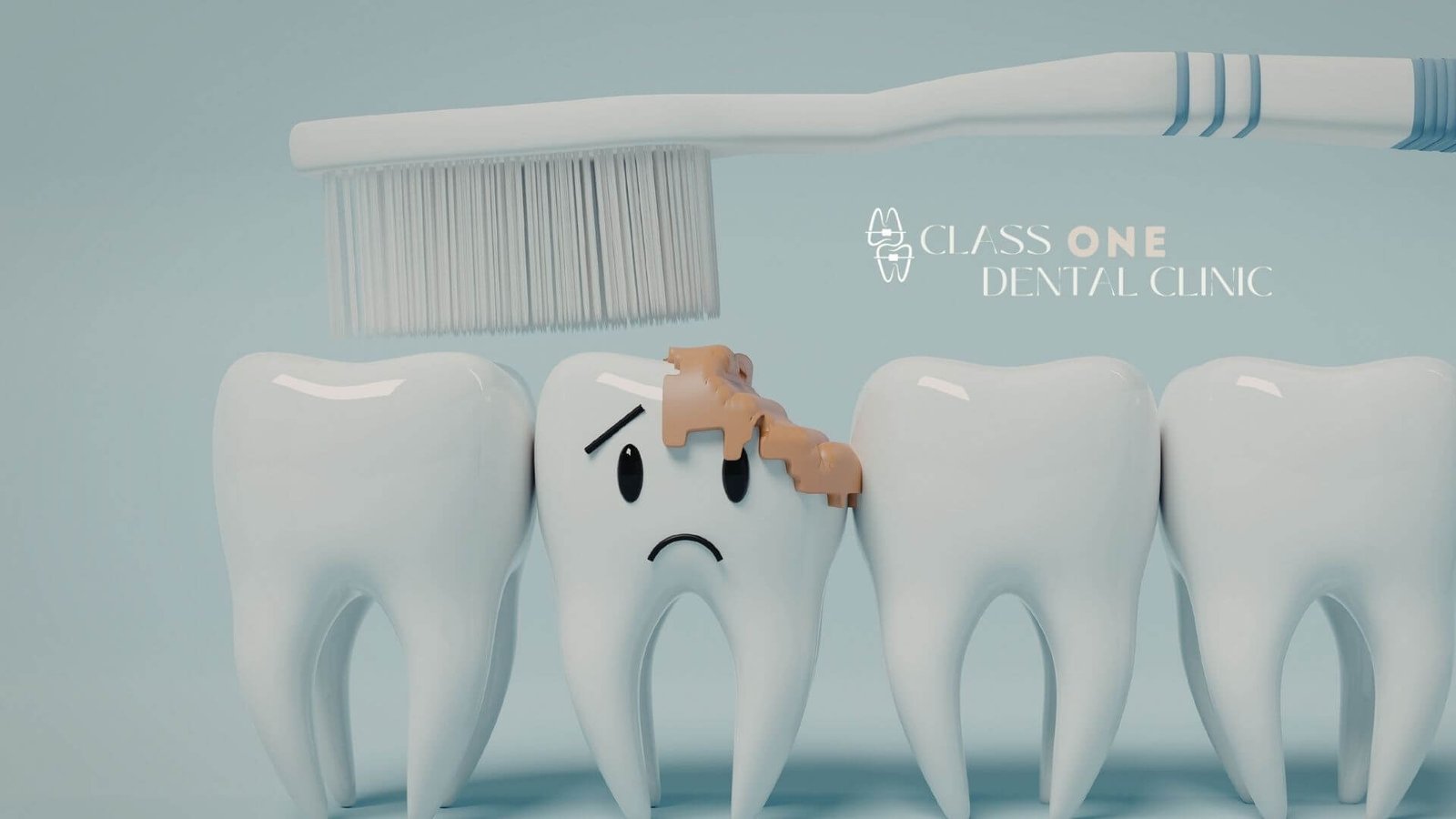
Mild tooth decay (cavities) usually occurs on the biting surface of a tooth or between neighbouring teeth. At this point, a patient may only feel slight sensitivity when eating, or may only notice a small hole in the tooth when food gets stuck between the teeth. At this stage, a filling is very important. If the filling is done now, the treatment is very simple and the patient can quickly return to normal chewing. Many patients hesitate at this stage, believing that mild decay can be dealt with by brushing or rinsing. In fact, once decay has formed in a tooth, brushing cannot remove it. Professional filling treatment at this point not only solves the problem immediately but also stops the decay from growing further.
Treatment for mild decay usually involves removing the infected tooth tissue and then filling the tooth with a suitable material. Depending on the location and size of the decay, the dentist will choose different filling materials, such as amalgam, composite resin or ceramic. All of these materials can effectively restore the shape and function of the tooth. Having a filling early is not only cheaper, but the treatment is also quicker and more comfortable.
Warning Signs of Moderate Tooth Decay (Cavities)
When tooth decay (cavities) has progressed to a moderate stage, patients usually notice clear changes in their symptoms. By now the decay has gone deep into the dentin layer, and the patient may feel obvious tooth pain when eating hot or cold food. Sweet foods may also trigger pain. Some patients even feel a dull ache in the tooth at night. At this stage, obvious staining or holes can usually be seen on the tooth. If the patient has a filling at this stage, the treatment is more complicated than for mild decay and more tooth tissue may need to be removed.
Fillings for moderate decay require finer technique. In some cases, a simple filling material can no longer provide the strength needed, and more complex restorations such as inlays or crowns may be required. The cost of treatment and the time involved at this stage are also relatively greater. Many patients only start to take their dental problems seriously once they feel pain, but delaying treatment often leads to more complicated and expensive treatment. Finding and treating moderate decay in good time can prevent further complications.
Severe Tooth Decay (Cavities) and the Need for Nerve Treatment
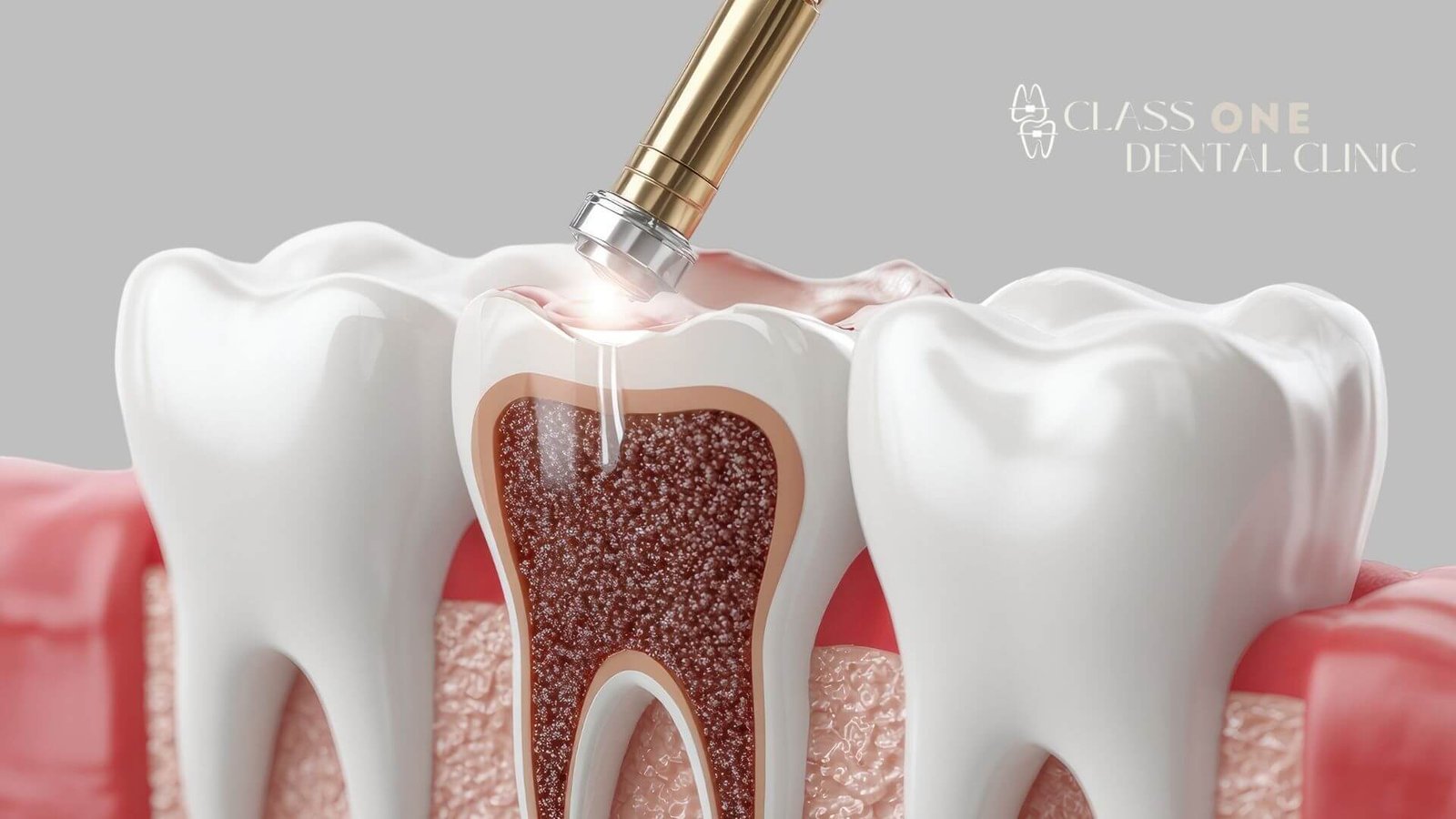
When tooth decay (cavities) has progressed to a severe stage, it has eroded into the dental pulp and caused pulpitis. At this point the patient experiences severe toothache and sometimes cannot chew any food at all. The pain may radiate to the ear, head or neck. At this stage, a simple filling can no longer solve the problem and the patient needs root canal treatment, a more complex and time-consuming dental procedure. Root canal treatment involves removing the infected dental pulp and then filling the pulp cavity with a biocompatible material. This treatment usually takes one to several visits to complete, and the cost is also relatively high.
The appearance of severe decay shows that the dental problem has become quite serious. At this stage, the patient may also face the question of whether the tooth can be saved. In some extreme cases, if the tooth is damaged beyond repair, tooth extraction followed by a dental implant or another alternative may need to be considered. The cost of these treatment options is far higher than that of a simple filling at an early stage. This fully illustrates the importance of finding and treating tooth decay early.
Other Types of Tooth Damage That Need Fillings
Besides tooth decay, there are many other situations that require filling treatment. Tooth wear is a common problem, especially among people who often grind their teeth or have an improper bite. As we age, wear on the tooth surface exposes the dentin, which not only affects appearance but can also cause tooth sensitivity. In this case, a filling or restoration can protect the tooth and improve its appearance. Cracked or broken teeth are also a common reason for fillings, and can be caused by biting on hard objects, accidental trauma or poor oral habits.
Erosion at the neck of the tooth is another common problem, especially in patients with gum recession. In this situation, the gums pull back and expose the tooth root, which is prone to decay. Appropriate filling treatment is needed. When tooth discolouration cannot be resolved by whitening, a filling or veneer treatment may also be needed to improve appearance. Each situation needs to be assessed and treated according to the individual case.
The Patient Experience of Fillings and Modern Dental Technology
Many patients’ fear of fillings comes from worrying about pain. Modern dental clinics have greatly improved the filling process, making it relatively comfortable. Most filling procedures are done under local anaesthetic, which means the patient does not feel pain during treatment and may only feel vibration or pressure. When removing infected tooth tissue, the dentist uses a high-speed drill. Although it makes a noise and vibrates, the patient does not feel pain thanks to the anaesthetic.
Modern dental clinics also use many advanced technologies to improve the success rate of fillings and patient comfort. For example, some clinics use electronic anaesthetic devices to reduce discomfort during the injection. Using dental loupes or a microscope helps the dentist to work more precisely. Digital imaging can accurately diagnose and track the progression of tooth decay. These technologies make fillings more precise and more comfortable. After experiencing modern filling treatment, many patients find it far more comfortable than they imagined, which eases their fear of future dental treatment.
How to Choose a Dental Clinic That Suits You
Choosing the right dental clinic is vital to your oral health. First, consider the clinic’s professional qualifications and the dentists’ educational backgrounds. A qualified dentist should hold a recognised dental degree and the relevant licence to practise. Second, the clinic’s equipment and level of technology are also important. A modern clinic should be equipped with the latest treatment equipment, such as digital X-ray machines, high-speed drills and modern anaesthetic equipment. This equipment not only improves treatment outcomes but also improves the patient experience.
The clinic’s location and opening hours are also practical considerations. A clinic near your home or workplace reduces your travel time and hassle. Convenient opening hours mean you can arrange appointments more easily, especially if you have a dental emergency. The clinic’s hygiene standards and sterilisation procedures must also never be overlooked, as they directly affect patient safety and health.
Communication and Patient Education at a Dental Clinic
An excellent dental clinic not only provides treatment but should also be committed to patient education. Dentists should be able to explain in simple, easy-to-understand language the causes of dental problems, why the recommended treatment is necessary, the pros and cons of different treatment options, and how to look after your teeth to prevent dental disease. Patients who fully understand their dental condition and treatment plan will cooperate better with treatment and are more likely to follow the dentist’s advice for aftercare.
Good communication between dentist and patient also means that patients have the chance to ask questions and express their concerns. Dentists should listen carefully to patients’ worries and offer appropriate explanations and reassurance. Dentists should show sympathy and patience towards patients’ fear and anxiety. A good communication environment like this can greatly reduce patients’ anxiety and make treatment go more smoothly.
Although this article mainly discusses when a filling is needed, it is even more important to recognise the importance of preventing dental disease. Many situations that call for a filling can actually be prevented through good oral hygiene habits. Brushing properly and using dental floss every day are the basic steps of oral care. Many people focus only on the chewing surfaces when brushing, but the sides of the teeth and the gum margins also need careful cleaning. Dental floss removes food debris and bacteria from the spaces between teeth that a toothbrush cannot reach.
Regular dental check-ups and cleanings are also key to preventing tooth decay. Professional teeth cleaning removes tartar and plaque that everyday brushing cannot remove. Regular check-ups allow decay and other dental problems to be found early, when a simple filling can usually solve the problem and prevent it from getting worse. Eating habits also have an important effect on dental health. Reducing your intake of sugar and acidic drinks can greatly lower the risk of tooth decay. Many dental problems are actually caused by poor eating and hygiene habits, and changing these habits can markedly improve dental health.
Dental Filling FAQ
Question 1: What should I do if I am not sure whether I need a filling?
If you are not sure whether you need a filling, the best thing to do is to make an appointment with a dentist for an examination. A professional dentist can accurately diagnose tooth decay or other dental problems through a visual examination, palpation and X-rays. At the first visit, you can ask the dentist whether your tooth condition is serious enough to need a filling. The dentist will judge whether filling treatment is needed based on the size, depth and location of the decay. If it is only early, superficial decay or staining, improving your oral hygiene may sometimes ease the problem. But if the decay has formed an obvious hole or is causing tooth pain, filling treatment is usually needed. Do not delay an examination, because finding and treating a problem early can stop it getting worse.
Question 2: What filling materials are available? How do the different materials differ?
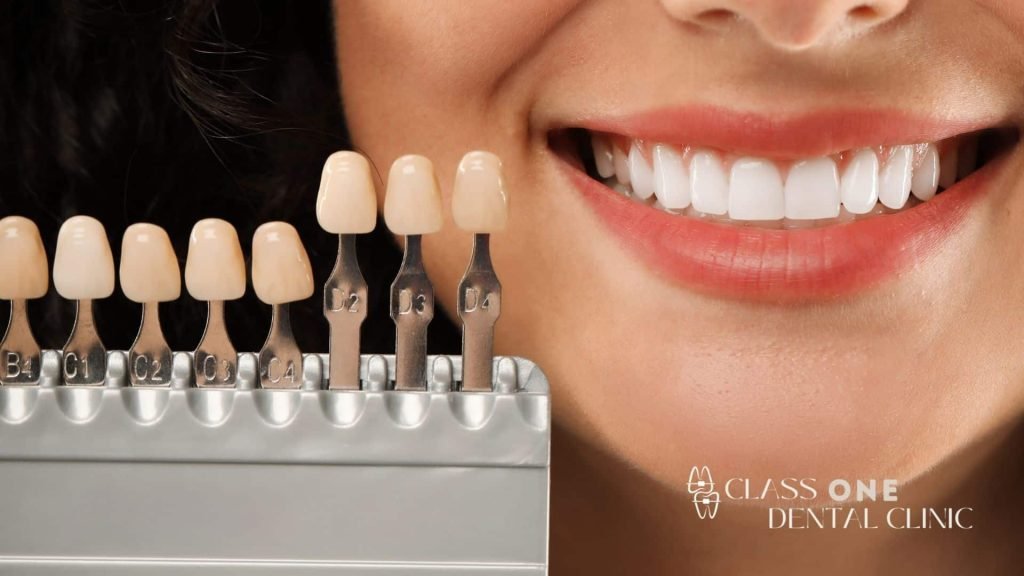
Modern dentistry offers a variety of filling materials, each with different characteristics, advantages and disadvantages. Amalgam is the traditional material. It is low in cost and very durable, but it is silver-grey in colour and not very attractive. Composite resin is the modern first choice. Its colour can be matched to natural teeth and it looks good, but it may be less durable than amalgam. Glass ionomer cement is fairly aesthetic and slowly releases fluoride to help prevent further decay, but it is not as strong as the other materials. Ceramic or porcelain materials give the best appearance and biocompatibility, but are the most expensive. The choice of material should be based on the location and size of the decay, the patient’s aesthetic requirements and budget. The dentist will recommend the most suitable material for your specific situation.
Question 3: Do I need special care after a filling? How long will a filling last?
Aftercare for a filling mainly means continuing to maintain good oral hygiene habits. Once the filling material has fully hardened (usually 24 hours), you can return to your normal eating and cleaning habits. Avoiding chewing very hard food on the side with the filling may help extend the life of the filling. Continue to brush and floss regularly to prevent new decay forming around the filling. How long a filling lasts depends on several factors, including its location and size, the material used and the patient’s oral hygiene habits. In general, composite resin fillings may need to be replaced after 5 to 10 years, while amalgam fillings may last longer. Even if a filling stays intact, regular dental check-ups are still important to make sure no new problems have formed around it. If a filling is worn or broken, you should contact the dental clinic promptly for repair or replacement.