Class ONE Dental Clinic, Kennedy Town, Sai Wan Dentist | How to Prevent and Treat Tooth Decay
Tooth decay is one of the most common oral health problems in Hong Kong, affecting residents of all ages. Whether in children or adults, tooth decay can bring serious health consequences and disruption to daily life. Many people do not know enough about the causes of tooth decay, how to prevent it and the treatment options, and as a result the problem gets worse. As a dental clinic on Hong Kong Island in Kennedy Town, Sai Wan, Class ONE Dental Clinic draws on many years of clinical experience to explain in detail how to prevent and treat tooth decay, to help you look after your oral health.
Understanding the Causes and Progression of Tooth Decay
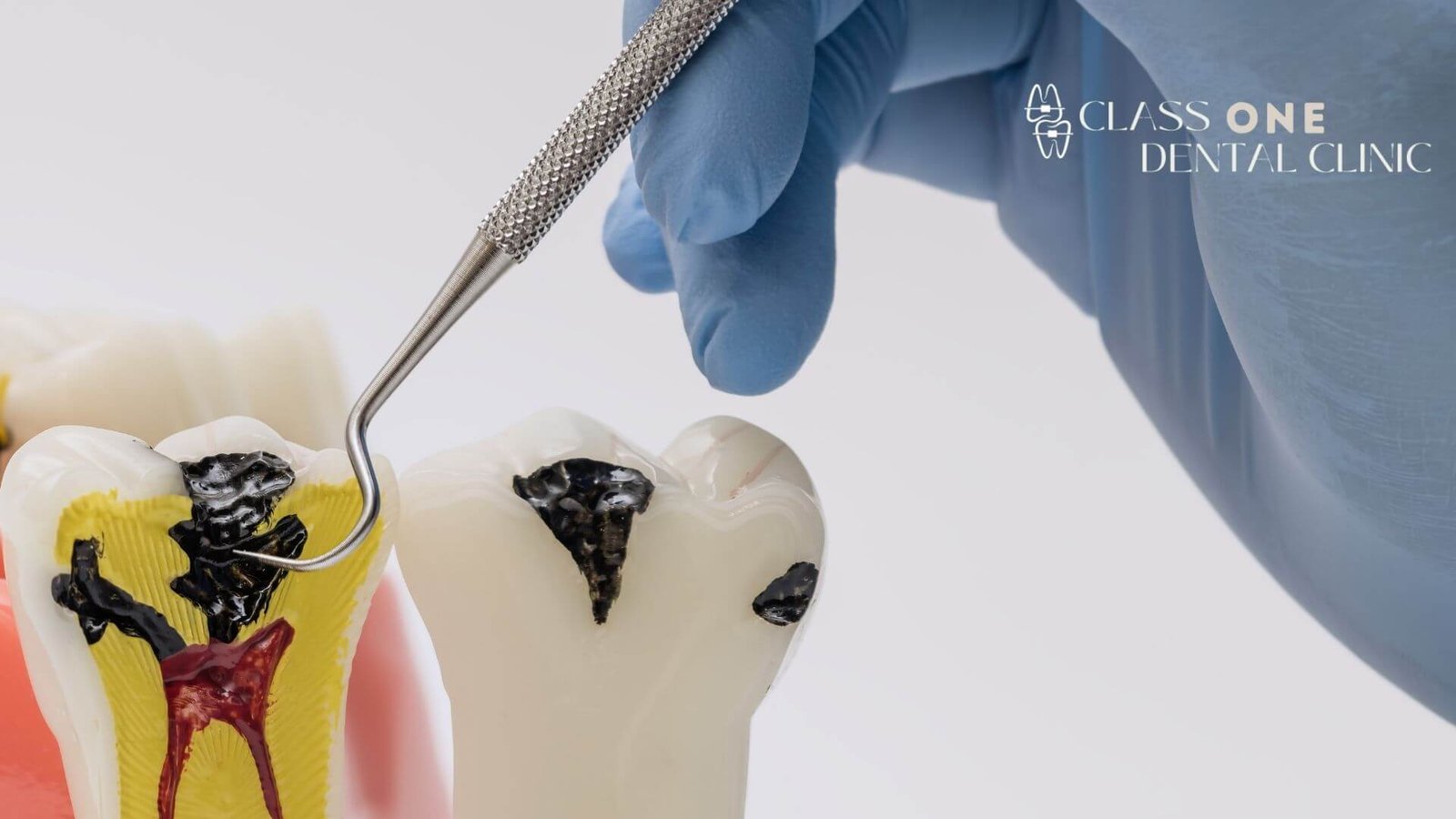
Tooth decay, known medically as dental caries, is formed when bacteria on the tooth surface produce acids that gradually erode the hard tissue of the tooth. To prevent tooth decay effectively, you first need to understand how it forms. When we eat foods containing sugar or starch, bacteria in the mouth use these substances to produce acid, and this acid attacks the enamel, the outer layer of the tooth. If the mouth is not cleaned in time, the acidic environment persists, and eventually the hard tissue of the tooth is gradually eroded and decay forms.
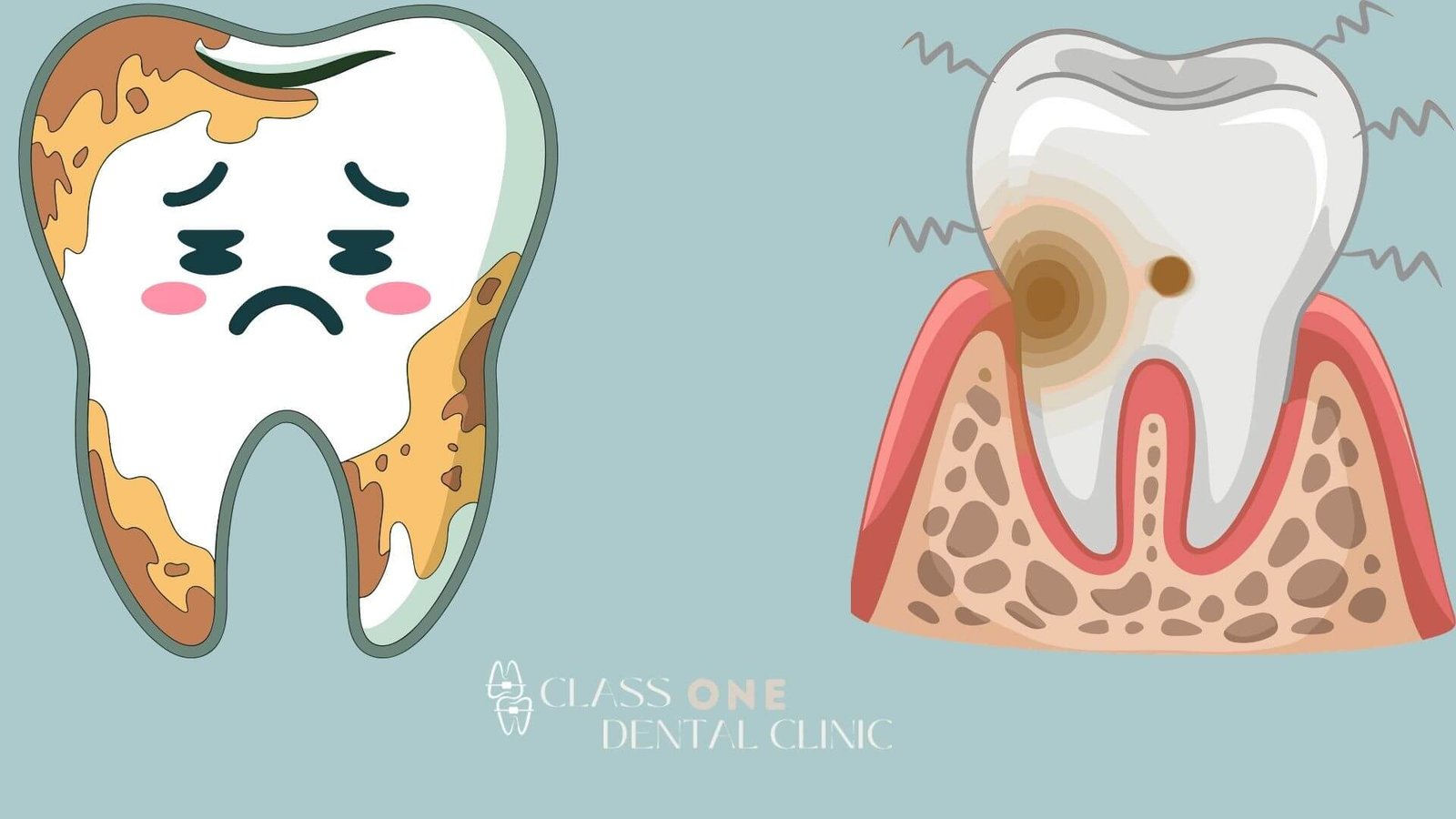
Tooth decay usually develops in several stages. In the initial stage, white spots or brown stains begin to appear on the enamel, which is a sign of early decay. If there is no appropriate intervention at this point, the decay gradually deepens and enters the dentin layer, causing symptoms such as tooth sensitivity and pain. Finally, if the decay reaches the dental pulp, the patient experiences severe toothache and may even need root canal treatment. In severe cases, tooth decay can also lead to complete loss of the tooth.
Finding and treating tooth decay early is therefore vital to protecting dental health. Regular dental check-ups can detect early signs of decay so that treatment can be given before the problem becomes serious.
Main Risk Factors for Tooth Decay
Several factors increase the risk of tooth decay. The first is eating habits. Frequently eating or drinking sugary drinks, especially having snacks between meals, greatly increases the risk of tooth decay. Soft drinks, fruit juice, sweets and chocolate are all common foods that trigger decay. In Hong Kong’s food culture, sugar intake is relatively high, which makes tooth decay quite common among local people.
The second is oral hygiene habits. Many people do not pay enough attention to daily oral cleaning. Correct brushing technique, regular use of dental floss and mouthwash are all important measures for preventing tooth decay. Many people brush only once a day or for too short a time, which cannot remove plaque effectively. Plaque is a sticky substance made up of bacteria and food debris, and it is the direct cause of tooth decay.
The third factor is the oral environment. Some people produce less saliva, or their saliva has a weaker buffering capacity, which means the acidic environment in the mouth lasts longer and the risk of tooth decay increases. In addition, certain genetic factors may also affect the resistance of the teeth. Some people are born with thinner or weaker enamel and are more prone to tooth decay.
Preventive Measures for Healthy Teeth
The first measure for preventing tooth decay is to establish good oral hygiene habits. Correct brushing technique is essential. You should choose a soft-bristled toothbrush and brush at least twice a day, for no less than three minutes each time. Use gentle circular motions when brushing, paying particular attention to cleaning plaque near the gum line. Many people brush too hard, which easily damages the gums and actually increases the risk of gum disease.
Besides brushing, using dental floss is an important way to clean between the teeth. A toothbrush cannot fully clean the spaces between teeth, and plaque builds up very easily in these hidden spots. Flossing at least once a day effectively removes food debris and plaque from between the teeth, greatly reducing the risk of tooth decay.
As for diet, you should limit your intake of sugary foods and drinks. This does not mean avoiding sugar completely, but rather reducing how often you eat it and how much. If you cannot avoid sugar, you should rinse your mouth as soon as possible afterwards, or rinse with plain water to neutralise the acid in the mouth. You can also chew sugar-free gum after eating, which helps increase saliva flow and further neutralises acid.
Regular dental check-ups and professional cleaning are equally important. It is recommended to have a dental check-up at least once every six months. A dentist can not only detect tooth decay early but also carry out professional teeth cleaning, removing the deep plaque and tartar that ordinary brushing and flossing cannot remove. For high-risk groups, more frequent check-ups and professional care may be needed.
Fluoride also plays an important role in preventing tooth decay. Brushing with fluoride toothpaste strengthens the enamel and increases its resistance to acid. In many places, an appropriate amount of fluoride is added to tap water, which makes an important contribution to public oral health. In Hong Kong, many dental clinics also offer fluoride application services, especially for children and high-risk groups.
Treatment Options and Remedies for Tooth Decay
Once tooth decay has formed, it needs to be treated promptly to stop it from progressing further. A dental filling is the most common treatment. There is a wide range of modern filling materials, including traditional amalgam, glass ionomer and composite resin. Each filling material has its own advantages and disadvantages. Amalgam is widely used because of its strong durability and low cost, but it is relatively unattractive. Composite resin looks more attractive and natural, close to the colour of real teeth, but is relatively less durable. Glass ionomer has good biocompatibility and is particularly suitable for children’s teeth.
Depending on the depth and location of the decay, the dentist will recommend different treatment plans. For shallow decay, a simple filling can usually solve the problem. For deeper decay, however, root canal treatment may be needed. Root canal treatment is a complex dental procedure that involves removing the infected dental pulp tissue and then filling the root canals with a special material. Although root canal treatment costs more, it allows the natural tooth to be kept and avoids tooth extraction.
For extremely damaged teeth that cannot be repaired with a filling or root canal treatment, tooth restoration or a dental implant may be needed. A crown is a protective restoration for a severely damaged tooth. The dentist removes the damaged part and then places an artificial crown over the tooth. A dental implant is a longer-term solution that involves placing an artificial tooth root in the jawbone and then fitting an artificial crown on top of it.
Aftercare and Preventing Recurrence After Treatment
After tooth decay has been treated, good aftercare to prevent it from coming back is equally important. First, you should follow your dentist’s advice and maintain good oral hygiene habits. A filled tooth still needs careful care, and chewing hard foods too forcefully may cause the filling material to come loose or become damaged.
If a filling comes loose, you should contact the dental clinic as soon as possible for repair. A lost filling leaves a gap, and bacteria and food debris may get in and cause new decay. Do not delay booking an appointment for repair.
For teeth that have had root canal treatment, aftercare is even more important. These teeth have often lost their vitality and become more fragile. The dentist will usually recommend fitting a crown on these teeth to give them extra protection.
The best way to prevent tooth decay from coming back is to keep following the preventive measures. Limiting sugary foods, maintaining good oral hygiene habits and having regular dental check-ups should become part of daily life. Many people pay more attention to oral hygiene after having treatment for tooth decay, but as time passes this vigilance gradually fades. Building a lasting awareness of oral hygiene is therefore vital to long-term dental health.

Our Recommendations on Tooth Decay
We recommend that all patients, regardless of age, have a dental check-up every six months. For children, regular check-ups are especially important, because decay in baby teeth can affect the normal development of the permanent teeth. For adults, regular check-ups allow other oral problems such as periodontal disease to be found early.
In addition, we provide detailed oral hygiene education to help patients understand the correct techniques for brushing and flossing. We believe that educating patients is the most effective way to prevent tooth decay. Many cases of tooth decay can be completely prevented by improving daily oral hygiene habits.
For patients who already have tooth decay, we offer a variety of treatment options and draw up a personalised treatment plan according to each patient’s circumstances. We are committed to treating with minimal trauma while ensuring the best results. All treatment uses the latest materials and technology, to ensure that patients receive the highest quality dental care.
Tooth Decay Myths and FAQ
Question 1: If I find a small black spot on my tooth, is it definitely tooth decay?
Not necessarily. Black spots on teeth can have several causes, including food stains, tea stains, coffee stains or discolouration caused by smoking. However, deep dark brown spots may indeed indicate early or existing tooth decay. The safest thing to do is to book a dental check-up as soon as possible so that the dentist can carry out a professional assessment. A dentist can determine the nature of the spot using a visual examination, a probe test or X-ray images. If it is indeed tooth decay, early treatment is much simpler and cheaper than waiting until the decay has deepened.
Question 2: How long after a filling can I eat? How long does the filling material last?
How soon you can eat after a filling depends on the material used. With some fast-hardening materials, you may be able to eat a few hours after treatment. However, we usually advise patients to avoid eating or drinking hot drinks for two hours after a filling, to make sure the filling material has fully hardened. The lifespan of a filling material depends on several factors, including the type of material, the size and location of the decay, the patient’s oral hygiene habits and chewing habits. Amalgam can usually last ten to fifteen years or even longer. Composite resin can usually last five to ten years. Glass ionomer has a relatively shorter lifespan, usually around five years. Whichever material is used, regular check-ups and proper oral care can extend the life of the filling.
Question 3: Can teeth fully recover their function and appearance after tooth decay treatment?
Modern tooth decay treatment can indeed restore the function and appearance of teeth to a large extent. For shallow decay, a filling can fully restore the tooth’s function. For cosmetic fillings made with composite resin, the appearance is also excellent and hard to tell apart from natural teeth. However, for more severe decay, especially where root canal treatment or a crown is needed, although function can be restored, there may still be subtle differences compared with a completely healthy natural tooth. The best strategy is therefore still to avoid tooth decay forming in the first place through preventive measures. Once decay has formed, it should be treated promptly to achieve the best results and the longest life for the tooth.