How mouth breathing affects jaw growth
Under normal circumstances, humans should breathe mainly through the nose. During nasal breathing, the tongue usually rests lightly against the roof of the mouth, the lips close naturally, and the muscles around the mouth and throat maintain a stable tone. This “oral posture” is very important for the normal development of the jaws and dental arches. By contrast, if mouth breathing replaces nasal breathing over the long term, the position of the tongue, the strength of the lip muscles and the pattern of forces on the upper and lower jaws all change. Over time this can affect not only tooth alignment but also the shape of the jaws and the structure of the face.
Starting from the effect of mouth breathing on jaw growth, here are three key points to help parents and patients understand its long-term impact, and to notice it and seek professional advice early.
Key point 1: Mouth breathing changes the natural position of the tongue and lips, disrupting the normal direction of jaw development
1. The “oral posture” of normal nasal breathing
With nasal breathing, when the mouth is closed the tongue generally rests lightly against the front or middle part of the palate, the lips are naturally closed, and the lower jaw sits in a relatively relaxed and stable position. This posture has several important functions:
The tongue’s light pressure on the palate gives the upper jaw stable outward and forward support, encouraging sideways growth of the upper dental arch and leaving room for the permanent teeth.
With the lips closed, the front teeth are held steady under moderate lip muscle tension, and are less likely to protrude forwards or tilt inwards excessively.
With the lower jaw in a stable joint position, the upper and lower jaws can grow forwards along a normal path, rather than rotating excessively downwards.
In short, the position of the tongue and lips during normal nasal breathing acts as a “natural scaffold” for the healthy growth of the jaws and dental arches.
2. How mouth breathing disturbs this balance
When a person breathes through the mouth over the long term instead of the nose, the following changes usually occur:
The tongue drops to a lower position
To let air pass through the mouth into the throat, the tongue tends to sink to the floor of the mouth and cannot stay against the palate. The upper jaw then loses the support of the tongue, the stimulus for sideways growth is reduced, and the upper dental arch easily becomes narrow with a high palate.
The lips are often incompletely closed for long periods
Because mouth breathing requires the mouth to be open, the strength and control pattern of the lip muscles change. The lower lip may habitually droop and the upper lip cannot provide stable forward support, so the front teeth are more likely to stick out or become crooked.
Unbalanced pressure from the cheek muscles and surrounding soft tissue
When the tongue no longer presses against the palate, the inward pressure of the cheek muscles on the dental arch becomes more pronounced. This can narrow the whole upper arch inwards and reduce the room available for the teeth to grow.
Mouth breathing is therefore not simply “breathing through the mouth”. It also changes how the tongue, lips and surrounding muscles distribute force on the jaws, upsetting the balance that normally favours healthy jaw growth.
Key point 2: The relationship between mouth breathing, jaw shape, dental arch space and tooth alignment
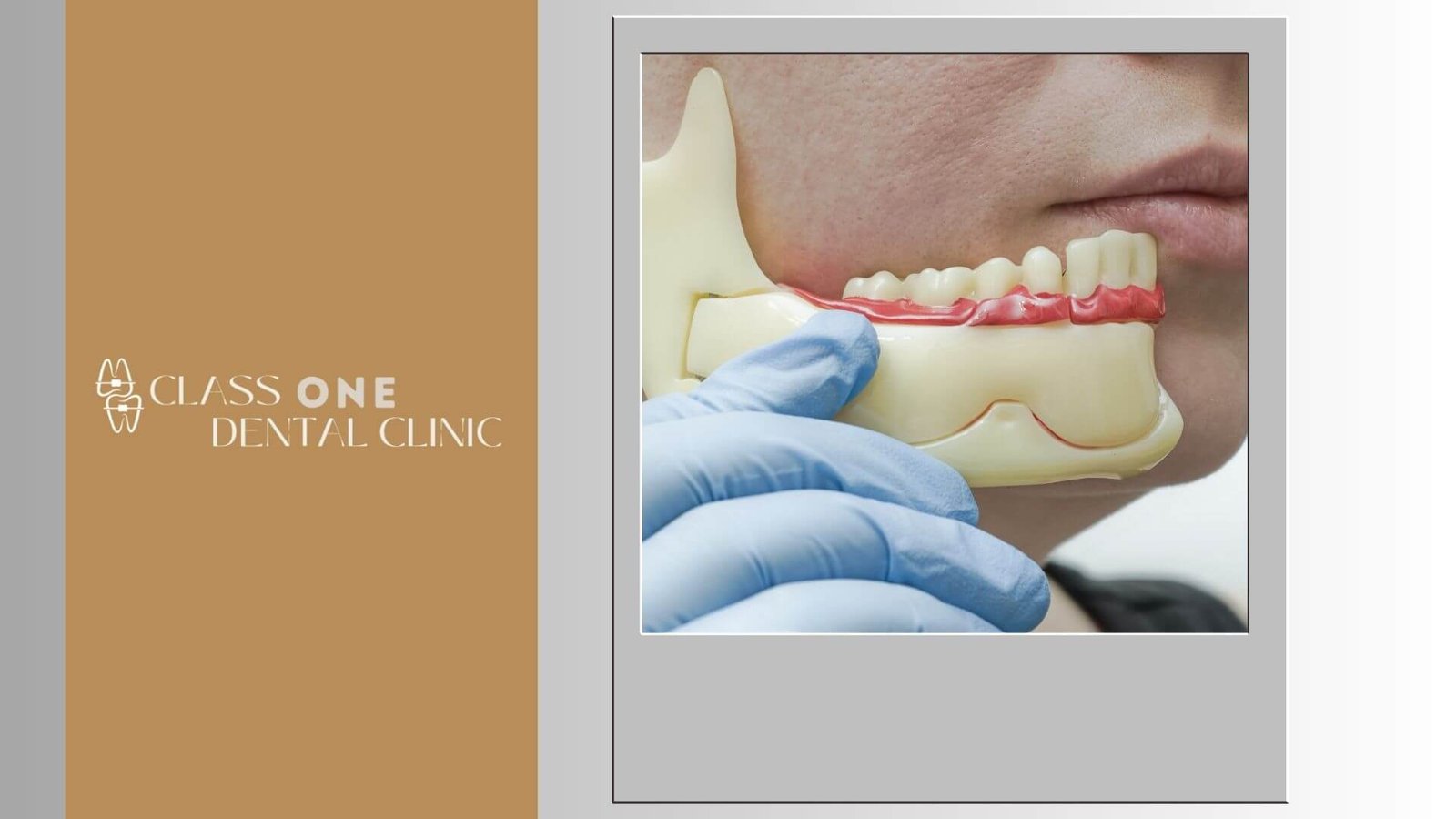
1. A narrow upper jaw and insufficient arch space
Under normal conditions the tongue can be regarded as a “natural expander”, and its pressure against the palate helps the upper dental arch widen outwards. Mouth breathing keeps the tongue low and removes this force, so the upper jaw is prone to the following changes:
Insufficient sideways development of the upper jaw, with a narrower arch and a higher palate.
Less room for the permanent teeth to erupt, making crowding, misplacement or rotation of teeth more likely.
Crossbite may develop in the back teeth, affecting the overall balance of the bite.
When the space in the upper arch is insufficient, common results include crowded front teeth, protruding teeth or a clearly irregular dentition. This is not only a cosmetic issue, but is also related to bite function and the stability of the jaws.
2. A chain of changes in lower jaw growth direction and face shape
Mouth breathing is also linked to growth of the lower jaw. To take in enough air, mouth breathers often show:
A growth pattern in which the lower jaw rotates slightly downwards and backwards
The height of the lower face increases, the face looks longer, and the chin appears relatively set back.
Increased vertical bite height
This may lead to an open bite, deep bite or other vertical bite problems.
This change, sometimes called “adenoid face” or a “long face”, is often related to mouth breathing, upper airway obstruction and the direction of jaw growth. It affects not only appearance but also airway space and bite function.
3. Tooth alignment and the difficulty of future orthodontic correction
Changes to the jaws and dental arches caused by long-term mouth breathing may mean that a tooth alignment problem is no longer just “simply crooked teeth”, but the combined result of jaw shape and insufficient space. In that case:
Problems such as crooked teeth, protruding teeth and an underbite are harder to treat with a single orthodontic approach.
If mouth breathing and jaw development can be guided early, there is a chance of reducing the likelihood of needing more complex orthodontic treatment, or even surgery, later on.
In children and teenagers the jaws still have a certain growth potential. If mouth breathing is addressed early, functional training and early orthodontic treatment may help guide the jaws to develop in a more favourable direction.
Key point 3: Mouth breathing often has multiple causes, so treatment must consider both the airway and dental and jaw development
1. Mouth breathing is not simply a “bad habit”
Mouth breathing usually develops from one or more of the following:
Upper airway obstruction
Conditions such as allergic rhinitis, nasal congestion, a deviated nasal septum, enlarged adenoids or enlarged tonsils make nasal breathing difficult, so children or adults switch to mouth breathing in order to breathe in more easily.
Oral and jaw structure factors
An overly narrow dental arch, a lower jaw that is set back and similar problems leave too little space in the mouth, so the tongue cannot rest naturally against the palate, making a low tongue position and mouth breathing more likely.
Muscle tone and diet
A diet that is too soft over a long period, with insufficient chewing, may lead to low muscle tone around the mouth, looser lips and poor mouth closure, which can also affect the breathing pattern.
Mouth breathing may therefore not be just “unconsciously keeping the mouth open”; it can reflect a combined problem involving the airway, the bones and muscle tone.
2. Treating mouth breathing needs cooperation between specialties
When long-term mouth breathing is suspected in a child or adult, there is usually more than one direction of management, and the following may need to be considered depending on the case:
Ear, nose and throat (ENT) assessment
Checking the structure of the nose and the condition of the adenoids and tonsils, to determine whether there is upper airway obstruction and whether medication or surgical intervention is needed.
Dental and orthodontic assessment
Examining the shape of the jaws, the width of the dental arch and tooth alignment and, where necessary, using functional orthodontic appliances or early jaw guidance to improve arch space and oral posture.
Functional training
In some cases, myofunctional training or mouth-breathing correction exercises can help the patient gradually return to nasal breathing and improve the coordination of the lip muscles and tongue.
3. Warning signs for parents and patients to look out for
If any of the following occurs, it is worth consulting a professional early:
A child or teenager keeps the mouth half open most of the time, and rarely closes it naturally at rest.
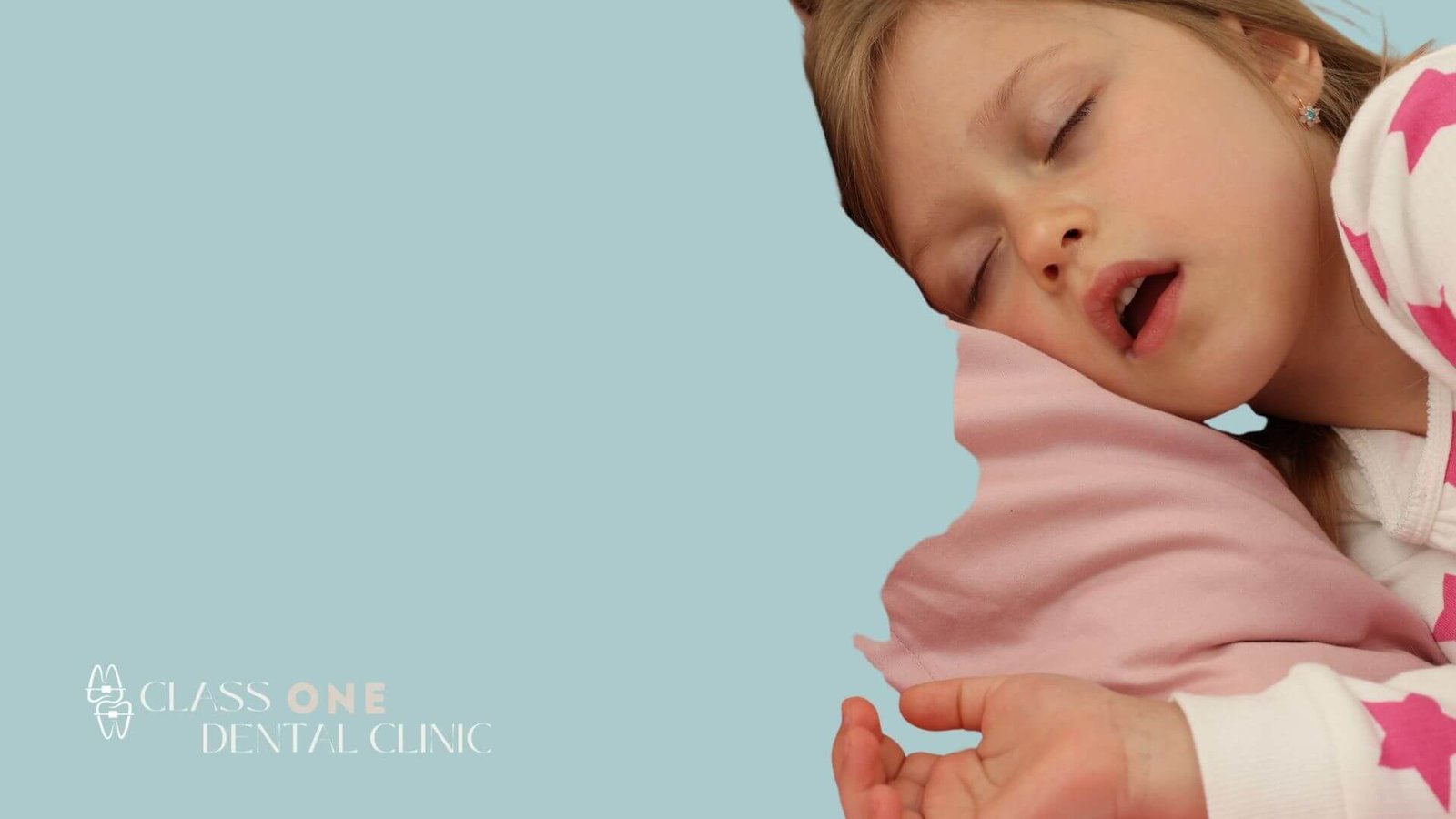
Frequent mouth breathing during sleep, accompanied by snoring or restless sleep.
A narrow-looking dental arch, crowded teeth or clearly protruding teeth, a lower jaw set back, or an overly long face.
These signs are not necessarily all caused by mouth breathing, but they are often related to oral posture and breathing pattern, and early assessment helps to catch the best window for intervention in jaw development.
In summary, the effect of mouth breathing on jaw growth goes well beyond making the teeth “a bit crooked”. It may change the natural position of the tongue and lip muscles and disrupt the balance of sideways and forward jaw development, contributing to a narrow dental arch, protruding teeth, bite problems and changes in face shape. Understanding these three key points helps parents and patients look beyond the surface habit when facing mouth breathing, and consider and deal with it early from three angles: airway health, jaw growth and oral posture.
Mouth breathing FAQ
Q: Does mouth breathing always cause protruding teeth or a change in face shape?
Not everyone who breathes through the mouth will develop obviously protruding teeth or a change in face shape, but long-term mouth breathing does increase the risk of a narrow jaw, insufficient dental arch space and protruding front teeth. Whether obvious changes appear depends on how long the mouth breathing lasts, the stage of development and the individual’s skeletal characteristics. Noticing it early and seeking assessment can reduce the long-term effects.
Q: If someone is already a teenager or even an adult, can the jaw changes caused by mouth breathing still be improved?
Intervening during the growth period (children and teenagers) gives a better chance of adjusting the direction of development through jaw guidance and functional training. In adults the bones are more stable, so complete reversal is harder, but the bite and the quality of breathing can still be improved through orthodontic treatment, functional training and, where necessary, ENT treatment. The specific plan needs to be assessed jointly by dental and other relevant specialists.
Q: What can parents do day to day to notice whether their child has a mouth breathing problem?
Parents can watch whether the child tends to keep the mouth open when resting, watching television or sleeping, whether they often say their nose is blocked or snore noticeably, and whether the teeth are gradually becoming crowded or the front teeth are sticking out. If in doubt, arrange a dental and ENT examination to determine whether there is mouth breathing and related jaw or airway problems, rather than simply treating it as a “bad habit”.