How Long Do You Need to Wear a Retainer After Braces? 1 Year? 2 Years?
After orthodontic treatment ends, many Hong Kong patients face an important question: how long do you actually need to wear a retainer? The retainer is a key but easily overlooked part of braces treatment. Many patients, once their treatment is finished and their teeth look neat and attractive, can’t wait to stop wearing the retainer, thinking the job is done. However, this thinking is wrong, and it is the main reason many patients find their teeth shifting after braces. As a professional dental clinic in Hong Kong with extensive orthodontic experience and specialist dental knowledge, Class ONE Dental Clinic hopes this article will answer in detail the important question of how long a retainer should be worn.
Understanding How Teeth Move
Dental retainers/positioners: to understand why a retainer needs to be worn long term after braces, we first need to understand the biological characteristics of teeth themselves. Many people think teeth are hard tissue fixed in the jawbone and should not move. In fact, teeth are connected to the jawbone by a complex periodontal ligament system. The periodontal ligament is a soft tissue rich in fibres and blood vessels, which not only supports the teeth but also has a certain degree of elasticity and mobility.
When braces gradually move teeth with continuous force, they take advantage of this plasticity of the periodontal ligament. The light, continuous pressure applied by braces causes the osteoclasts and osteoblasts around the periodontal ligament to rearrange and remodel, allowing the teeth to gradually change position within the jawbone. Orthodontic treatment usually takes 1 to 3 years precisely because this bone remodelling process needs enough time to stabilise.
However, this plasticity also means that even after orthodontic treatment is complete, teeth still tend to gradually return to their original positions. This is because the periodontal ligament and the related supporting tissues have a kind of “memory” function, tending to pull the teeth back to the positions they were used to. If you stop wearing your retainer immediately after braces, your teeth can easily begin to shift within a few months, undoing the results of your earlier treatment.
How Retainers Work
A dental retainer/positioner is a device specially designed to hold the teeth in the new positions achieved after orthodontic treatment. The basic principle of a retainer is to prevent teeth from returning to their original positions by maintaining a constant, gentle force. A retainer gives the periodontal ligament and the bone supporting the teeth enough time to readjust to the teeth’s new positions and reach long-term stability.
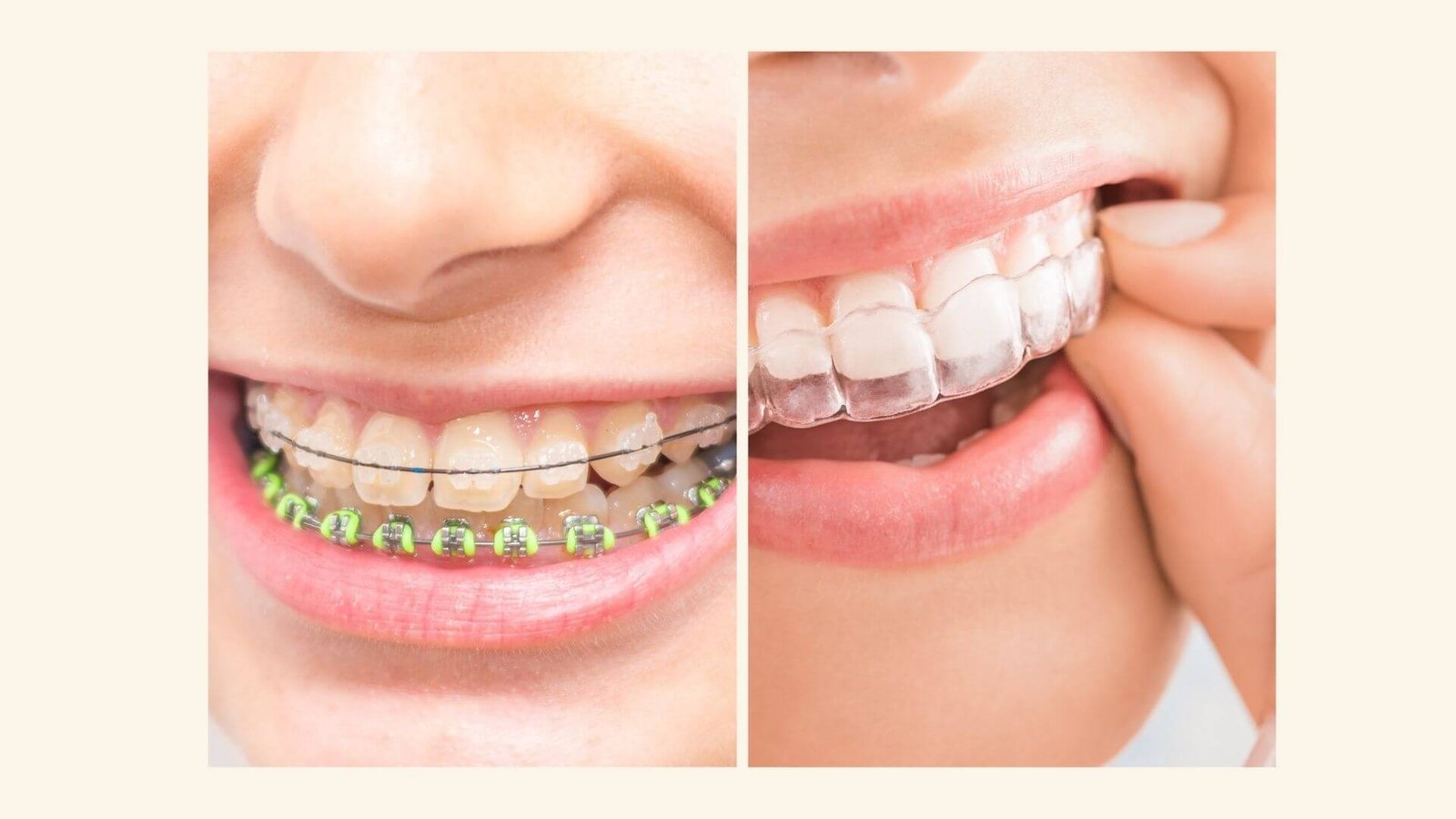
Retainers/positioners fall into two main types: bonded (fixed) retainers and removable retainers. A bonded retainer is attached directly to the inner surface of the teeth by the dentist and cannot be taken out by the patient. The advantage of this type of retainer is that it provides support 24 hours a day, ensuring the best stability. However, a bonded retainer makes oral hygiene more difficult, and brushing and flossing need to be done with particular care.
A removable retainer is a device that the patient can put in and take out themselves. Common removable retainers include the clear Essix retainer and the traditional Hawley retainer. The advantage of removable retainers is that they make oral hygiene easier, and the patient can take them out when needed. However, the effectiveness of a removable retainer depends to a certain extent on the patient’s cooperation. If the patient does not wear it as the dentist instructs, the retaining effect will be affected.
General Recommendations for How Long to Wear a Retainer
Based on modern dental research and clinical experience, patients are generally advised to wear a retainer for at least two years after braces are completed. This recommendation comes from many years of clinical observation and research data, and is intended to ensure the teeth reach a stable state.
During the first six months, patients usually need to wear the retainer 24 hours a day, removing it only temporarily for eating and oral hygiene. This period is the critical time for the periodontal ligament and related tissues to adapt and remodel. Through continuous support, the retainer prevents any relapse movement of the teeth during this critical period.
For the six months after the first six months, patients can gradually reduce the time they wear the retainer. The dentist may advise wearing it only at night while sleeping, and not during the day. This process lets the periodontal ligament and supporting tissues gradually adapt to being without the retainer, while still maintaining a certain level of support.
After the first year is complete and into the second year, patients can usually switch to wearing the retainer only at night, and not at all during the day. This arrangement keeps the teeth stable while giving the patient enough freedom and comfort. Through two years of gradual retainer wear, the periodontal ligament and bone have enough time to complete the remodelling and adaptation process, and the teeth can reach a relatively stable state.
Why Long-Term Retainer Wear Is Necessary
Although two years is the basic recommended period, many dentists and dental scientists believe that wearing a retainer long term, or even for life, is the best strategy for keeping teeth stable in the long run. This is because teeth and oral tissues continue to change over time. Factors such as ageing, changes in bite force, the development of periodontal disease and long-term chewing habits all continue to affect the position of the teeth.
Many studies show that even if a patient keeps good tooth alignment for the first few years after braces, if they stop wearing a retainer completely, their teeth may still shift noticeably after ten or twenty years. This long-term shifting can be observed in 30% to 50% of patients who stop wearing their retainers. Therefore, the best practice in modern dentistry is for patients to continue wearing a retainer at night over the long term to keep their teeth neat.
For certain high-risk groups of patients, long-term or even lifelong retainer wear is especially important. These high-risk groups include patients who had braces at an older age, patients with weaker periodontal tissues, patients with serious malocclusion, and patients who have had orthodontic treatment more than once. For these patients, any periodontal or oral health problem increases the risk of teeth shifting.
Class ONE Dental Clinic’s Advice After Braces
Based on many years of clinical experience, Class ONE Dental Clinic advises all patients who have had orthodontic treatment to take retainer wear seriously. Our professional team draws up a personalised retainer plan for each patient according to their specific situation, periodontal condition, bite characteristics and other factors.
When orthodontic treatment is complete, we explain in detail why wearing a retainer is so important, and how long-term retainer wear protects the time, money and effort the patient has invested. We stress that the retainer is not the end of braces treatment, but a necessary means of maintaining its results. Patients should see the retainer as a long-term investment and, like daily oral hygiene, an important part of keeping their mouth healthy.
We also teach patients how to care for and wear their retainers correctly. For patients with bonded retainers, we explain in detail how to maintain oral hygiene through correct brushing technique and flossing. For patients with removable retainers, we stress the importance of wearing them regularly and cleaning them regularly. Patients should form the habit of automatically putting in their retainer before going to sleep at night, just like other daily hygiene habits.
Common Misconceptions About Wearing Retainers
Many patients hold some common misconceptions about wearing retainers, which often lead to unsatisfactory long-term results. The most common misconception is that patients can stop wearing the retainer right after braces are completed. This idea is completely wrong and will directly lead to noticeable shifting of the teeth within a few months.
Another common misconception is that wearing a retainer for just one year is enough. In fact, one year is often not enough for the periodontal ligament and bone to fully adapt to the teeth’s new positions. At least two years of wear is the minimum requirement to ensure basic stability.
Some patients also underestimate the importance of the retainer and do not take care of it properly, causing it to crack or become deformed too early. Patients should recognise that the retainer protects the results of their braces treatment and is worth the time and effort of proper care.
Braces FAQ
Q1: What happens if I wear my retainer for only one year instead of two?
If a patient stops after wearing the retainer for only one year, the teeth are very likely to begin shifting gradually within a few months of stopping. The periodontal ligament has usually not fully adapted to the teeth’s new positions within one year, and still tends to relapse. Many patients who wore their retainers for only one year report noticing obvious tooth movement within one to three years after stopping. This shifting can sometimes be quite noticeable and may even require a second course of braces treatment. Therefore, it is very important to follow the dentist’s advice and wear the retainer for at least two years.
Q2: Do I need to wear a retainer for life?
According to the latest dental research, wearing a retainer for life is the best way to prevent long-term tooth shifting. However, the actual length of wear depends on the patient’s specific situation, periodontal condition and bite characteristics. Most patients should continue wearing the retainer at night for at least 2 to 5 years, after which they can decide whether to continue based on the dentist’s assessment. For some patients, especially older patients or those with weaker periodontal tissues, wearing the retainer every night for life is recommended.
Q3: What should I do if my retainer cracks or becomes deformed?
If a patient finds that their retainer has cracked or become deformed, they should contact the dentist immediately for an examination and repair. A broken or ill-fitting retainer cannot provide effective support and will lead to gradual tooth shifting. The dentist will assess the extent of the damage and decide whether to repair the existing retainer or replace it with a new one. While waiting for the repair, the patient should wear the retainer as much as possible to reduce the risk of teeth shifting. Regular dental check-ups can detect retainer problems early and prevent them from getting worse.