Are Dental Implants Really Worth It?
For Hong Kong residents with missing teeth, dental implants are an important topic, and people today are very particular about dental health. Whether teeth are lost through tooth decay, periodontal disease, accidental injury or ageing, missing teeth cause considerable trouble in daily life, eating and social situations. Traditional solutions for missing teeth include removable dentures and fixed bridges, but each has its limitations: dentures may be uncomfortable and prone to shifting, while bridges require healthy neighbouring teeth to be reduced. In recent years, dental implants have become the first choice of more and more patients in Hong Kong because of their excellent results and long-term durability. Class ONE Dental Clinic, a dental clinic in Sai Wan, Kennedy Town, Hong Kong, continually introduces new technologies and materials to provide professional, safe and comfortable dental implant services for patients.
Why Understanding Dental Implants Matters
A dental implant is a tooth replacement technique in which an artificial tooth root is surgically placed into the lower or upper jawbone and, after a period of integration, a crown is fitted onto it. The artificial root of an implant is usually made of titanium, which has good biocompatibility, high strength and resistance to corrosion, and can bond tightly with bone. Dental implants are currently the solution in dentistry that most closely approaches the function and appearance of natural teeth, and are widely used in dental practice around the world.
The greatest advantage of dental implants is their long-term stability and durability. Because the artificial root integrates with the bone as one, an implant is extremely stable and does not shift or fall out as easily as a denture. With proper care and regular check-ups, an implant can last 10 to 20 years or even longer, greatly reducing long-term treatment costs.
Another important advantage of dental implants is that they protect the neighbouring teeth. A traditional bridge requires the healthy neighbouring teeth to be reduced to act as supports, causing permanent damage to teeth that were originally healthy. An implant, however, is placed independently and does not require any neighbouring teeth to be reduced, fully protecting the integrity of the remaining healthy teeth. This is very important for long-term oral health.
How Long the Dental Implant Process Takes
One of the questions patients care about most is how long the whole implant process takes. The answer depends on several factors, including the condition of the patient’s bone, the number of missing teeth, and whether a bone graft is needed. Generally speaking, from the initial assessment to final completion, the whole implant process usually takes 3 to 6 months, and some more complex cases may take longer.
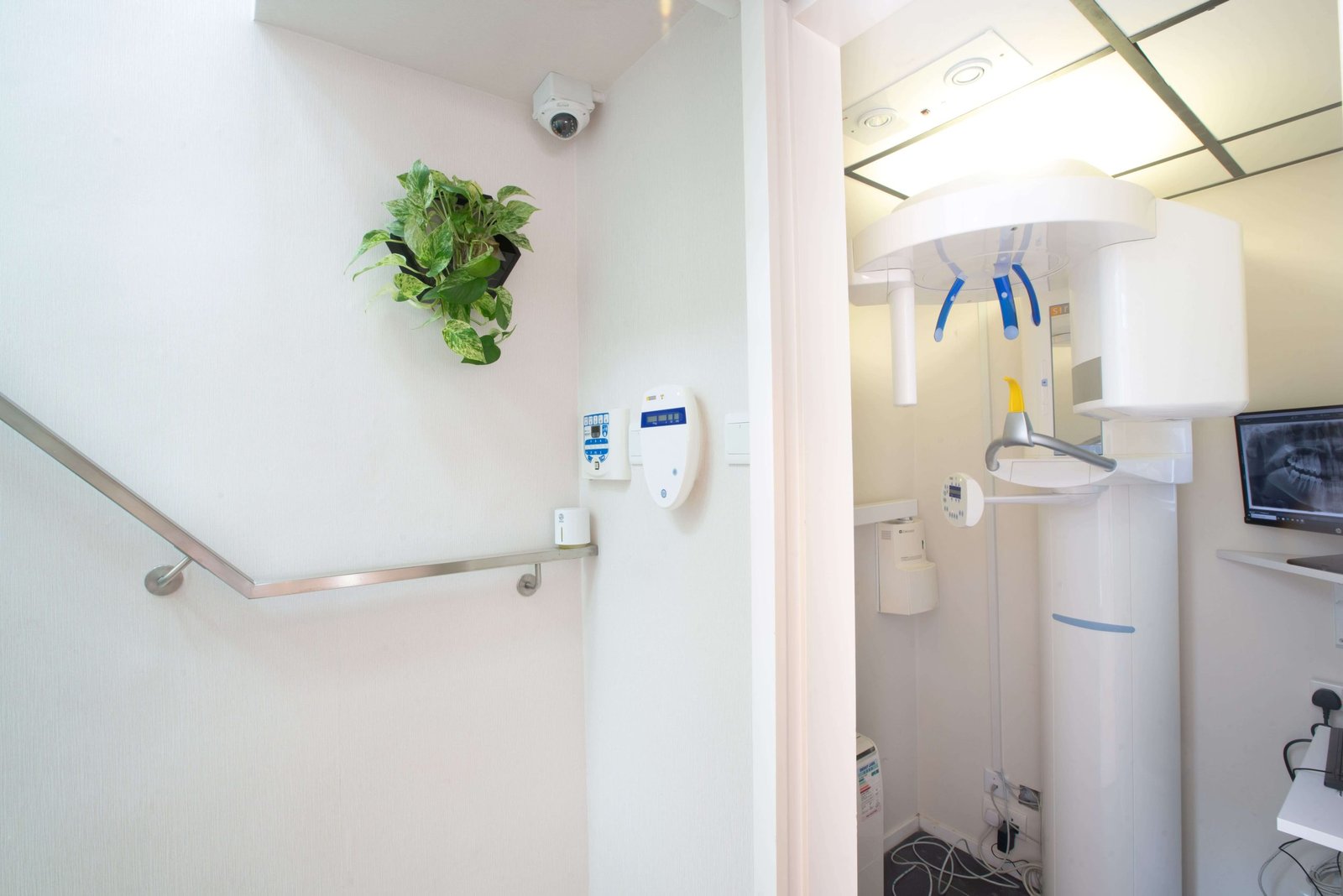
The initial consultation and assessment stage is the first step of implant treatment and usually takes 1 to 2 weeks. At this stage, the dentist carries out a detailed oral examination, including X-rays and a three-dimensional CT scan, to fully assess key information such as the patient’s bone density, bone height, and the positions of neighbouring teeth, blood vessels and nerves. Based on these assessments, the dentist draws up a personalised implant plan. If the patient’s bone condition is not ideal, bone augmentation surgery or bone graft material may be needed, which adds to the total treatment time.
Surgically placing the artificial root is usually a relatively simple procedure, and the surgery itself usually takes only 1 to 2 hours, depending on the number of artificial roots to be placed and the complexity of the surgery. After surgery, the patient needs a recovery period, usually 1 to 2 weeks, during which they should avoid strenuous exercise and eating foods that are too hard.
The osseointegration period is the longest stage of the whole implant process. After the artificial root is placed, the bone needs time to integrate with it, and this usually takes 3 to 6 months. In the upper jaw, osseointegration usually takes 4 to 6 months; in the lower jaw, because the bone density is higher, it may be relatively shorter, usually 3 to 4 months. During this time, patients should follow the dentist’s guidance, maintain good oral hygiene, and avoid putting excessive force on the implant area.
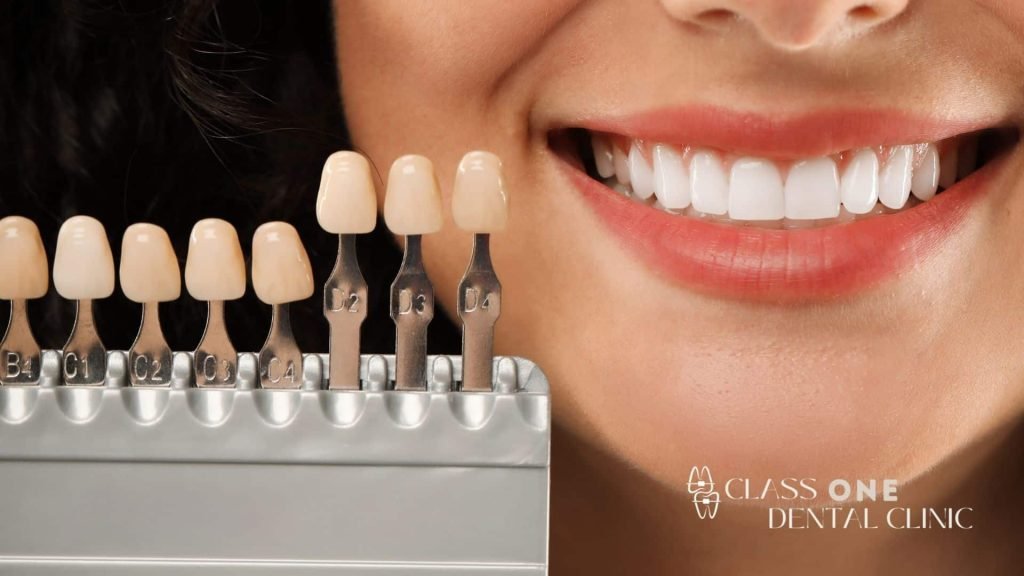
Once osseointegration is complete, the permanent crown can be made and fitted. The dentist makes a personalised crown according to the colour, shape and bite of the patient’s other teeth. Making the crown usually takes 2 to 4 weeks, depending on the clinic’s workflow and the laboratory’s workload. Once the crown is ready, the dentist carries out a trial fitting and adjustments to make sure the fit, bite and appearance of the crown are all ideal. Finally, the crown is permanently cemented, and the patient can begin to use their new tooth normally.
Are Dental Implants Very Painful?
Another question patients often ask is whether implants are very painful. The answer often surprises many patients, because most people who have had implant surgery say the pain during the procedure was far less than they expected.
Throughout implant surgery, patients receive adequate local anaesthesia, which completely blocks pain nerve conduction in the surgical area. Therefore, during the procedure patients usually feel no pain, only perhaps a slight sensation of pressure or vibration. Some patients even say that with adequate anaesthesia the whole procedure was relatively comfortable, like having a routine oral examination.
Pain after surgery is also usually relatively mild. In the first 24 to 72 hours after surgery, patients may feel slight discomfort, swelling or bruising, but these can usually be managed. The dentist will prescribe suitable painkillers, and patients can also apply an ice pack to the area to reduce swelling. Most patients say that the discomfort after surgery is usually about the same as after ordinary dental treatment, and even milder than after a tooth extraction.
This relatively painless surgical experience is thanks to advances in modern anaesthesia and the development of implant surgery techniques. Modern dental anaesthesia can provide long-lasting, deep local anaesthesia, ensuring the patient feels no pain during the procedure. At the same time, minimally invasive implant techniques and advanced surgical instruments minimise trauma to the tissues, further reducing pain and swelling after surgery.
Implant Care and Follow-Up Dental Check-Ups

After implant treatment is complete, proper care and maintenance are the key to making sure the implant lasts long term. Patients need to care for their implants just as they would natural teeth, including brushing every day and using floss to clean between the teeth. Around the implant in particular, patients should clean more carefully to avoid the build-up of plaque.
Regular dental check-ups and professional cleaning are an important part of keeping implants healthy. Patients should have a professional dental check-up and cleaning at least every six months, during which the dentist will check the condition of the bone around the implant, the fit of the crown and so on. If any problem is found, it can be dealt with promptly before it gets worse.
Patients should avoid using their implants to chew overly hard objects, such as ice or nutshells, and avoid using their teeth to open bottle caps or tear packaging. These habits may put unnecessary stress on the implant, causing the crown to crack or the artificial root to loosen.
Dental Implants FAQ
Q1: Is my dental condition suitable for an implant? Do I need a bone graft?
Not every patient is suitable for an implant, and this needs to be determined through a detailed assessment. The main factors assessed include the patient’s bone density and bone height, oral hygiene, and whether they have periodontal disease. If the patient’s bone condition is not ideal, bone augmentation or bone graft surgery may be needed. However, even when the bone condition is poor, modern dental technology can usually find a solution. We recommend that patients visit the clinic for a detailed assessment, and we will draw up the most suitable treatment plan for you according to your specific situation.
Q2: Can I use an implant exactly like a natural tooth?
Implants are very close to natural teeth in function, and patients can use them for normal chewing and eating. However, patients are advised to avoid overly hard foods in the early period after the implant, to give it time to settle in. After this adjustment period, most patients can use their implants just like natural teeth. However, patients should avoid using implants for unusual purposes, such as tearing packaging, which can cause unnecessary damage to the implant.
Q3: Is the risk of implant failure high? What if an implant fails?
The success rate of modern implant technology is very high, usually above 95%. Failure is rare, and the main causes include poor osseointegration, infection after surgery, or factors in the patient themselves such as smoking or diabetes. Many qualified dental clinics in Hong Kong today have adopted advanced technology and strict safety standards, which can minimise the risk of failure. The general risks and management options are explained in detail to the patient by the dental clinic at the initial consultation, and treatment proceeds only after the patient has understood and given consent.