You May Have a Periodontal Disease Problem
When gums bleed and a tooth aches, many people’s first thought is that it is just “heatiness” or brushing too hard. In reality, though, this is often an early sign of gingivitis or periodontal disease. When the gums are inflamed for a long time and plaque builds up, the supporting tissues around the teeth are gradually affected. If the condition keeps getting worse, not only will the gums bleed repeatedly, but toothache, bad breath, widening gaps between the teeth and even loose teeth may follow. Periodontal disease does not develop overnight. It is the cumulative result of long-term inadequate oral cleaning, so when bleeding gums and toothache appear together, they should not be taken lightly.
Where Does Periodontal Disease Come From?
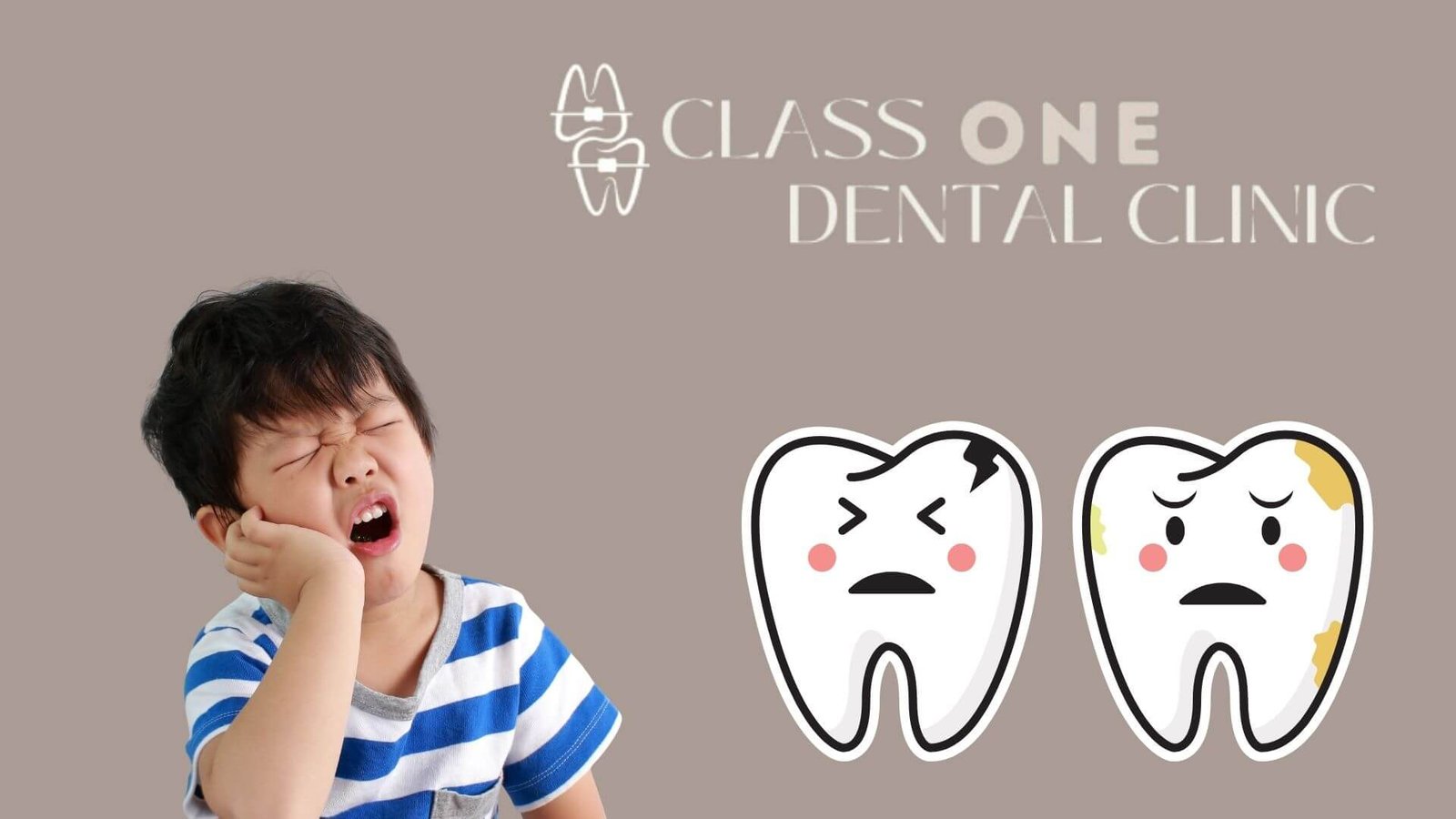
Periodontal disease usually starts with plaque. Plaque is a thin film of bacteria that sticks to the surface of the teeth. If daily cleaning is not thorough enough, it slowly builds up and lingers along the edges of the teeth and gums. When plaque is not removed in time, it hardens further into tartar (calculus). The surface of tartar is rough and continually irritates the gums, making them red, swollen and prone to bleeding, and it also gives bacteria more room to multiply. Over time, the inflammation no longer stays on the surface of the gums but spreads deeper into the periodontal tissues, damaging the ligaments and bone around the teeth. This is the common disease process of periodontal disease.
Why Bleeding Gums Should Not Be Ignored
In the early stages of periodontal disease there is not necessarily obvious toothache, so many people overlook the problem. The most common early signs include bleeding gums when brushing, swollen gums, gums turning a darker red, worse breath, and gums that feel sore when touched. As the disease progresses and the supporting tissues around the teeth are destroyed, patients may feel weak when biting food, have sensitive teeth, or even feel that a tooth has shifted slightly. If the periodontal pockets deepen, bacteria can hide in them more easily, the inflammation keeps recurring, and bleeding and toothache become harder to control.
Some people regard bleeding gums as normal, thinking “gums only bleed before a teeth cleaning”, but in fact bleeding gums are a warning sign from the mouth and are not normal. Healthy gums should not bleed often when you brush. If the gums stay inflamed for a long time, even if the bleeding comes and goes, it means the oral environment is already not in good shape. In particular, when bleeding and toothache occur together, the problem may already have progressed from simple gingivitis to deeper periodontal disease, and may even be accompanied by tooth decay (cavities), inflammation of the dental pulp or infection around the tooth root. If these are not treated early, the pain and inflammation usually get worse the longer they are left.
How Daily Habits Affect Gum Health
Poor daily oral hygiene is one of the most common causes of periodontal disease. Many people think brushing every day is enough, but if the brushing technique is incorrect, or the spaces between the teeth are often neglected, plaque will still remain between the teeth and along the gum line. A toothbrush cannot always remove all the debris between the teeth, so dental floss or interdental brushes are very important. If you floss properly every day in addition to brushing morning and night, the build-up of bacteria in the mouth can usually be improved significantly. In addition, regular teeth cleaning (scaling and polishing) helps remove tartar that has already formed, reducing the chance of the gums being continually irritated.
Beyond oral care, lifestyle habits also affect gum health. Smokers are more prone to periodontal disease, because tobacco affects blood circulation in the gums, makes the gums harder to heal, and can mask the early warning sign of bleeding gums. People who are under long-term stress, do not get enough sleep or have an unbalanced diet may also have weaker oral defences, so inflammation recurs more easily. Consuming too much sugar, frequently eating sticky foods or not cleaning the teeth often also make plaque form faster. Therefore, preventing periodontal disease cannot rely on a single treatment; everyday lifestyle and cleaning habits must be improved together.

A Reminder From a Real Toothache Case
Some cases show even more clearly that bleeding gums should not be ignored. Not long ago, a patient came in only once toothache set in, and on examination it turned out that the gums had been bleeding on and off for a year. This is not uncommon. Many people assume the problem is minor because there is no obvious pain at first, and by the time they have real toothache or swollen gums, the inflammation has usually already deepened. This reminds us that bleeding gums is not something that can wait, especially when the bleeding recurs or comes with bad breath, swollen gums or toothache. It should be checked as soon as possible to prevent the condition from worsening.
How Is Periodontal Disease Usually Treated?
The treatment of periodontal disease usually depends on its severity. In mild cases, the dentist may first arrange a teeth cleaning (scaling and polishing) to remove tartar and plaque, and guide the patient on improving brushing and interdental cleaning. If the periodontal pockets are deep, or the tartar has extended below the gum line, further deep cleaning treatment may be needed to give the periodontal tissues a chance to stabilise gradually. If there is also tooth decay, pulp inflammation or root infection, the treatment plan needs to address these at the same time. Most importantly, periodontal disease treatment cannot be completely resolved in a single visit; continued maintenance and regular follow-up appointments are still needed afterwards to reduce the chance of recurrence.
From a prevention point of view, the key to stopping bleeding gums and toothache from worsening into periodontal disease is early detection and continued maintenance. When brushing morning and night, pay particular attention to the gum line and the back teeth, and brush gently but thoroughly without pressing too hard. At the same time, flossing should not be done only when food gets stuck between the teeth, but should become a daily habit. Regular teeth cleaning and dental check-ups are also very important, because many gum problems do not cause obvious symptoms in the early stages, and by the time you notice something is wrong, it is often no longer the earliest stage. Rather than waiting until you have toothache, it is better to find out the cause as soon as your gums bleed.
If gums bleed only occasionally and there is no other discomfort, it may not indicate a serious problem, but if it keeps recurring, or is accompanied by toothache, swelling, worsening bad breath or loose teeth, it should be taken seriously. Although periodontal disease is common, it is not a problem to be underestimated, because it affects not only the stability of the teeth but also chewing, speaking and oral comfort. Dealing with it early is usually simpler than delaying until a severe stage, and easier to control. Bleeding gums and toothache are both signals from your body, and the sooner you follow up, the better the chance of keeping your teeth healthy.
Toothache: Frequently Asked Questions (FAQ)
Question 1: Does bleeding when brushing definitely mean periodontal disease?
Not necessarily, but bleeding gums usually mean the gums are already inflamed, most commonly because of plaque build-up or gingivitis. If it keeps recurring, it may develop further into periodontal disease, so a check-up as soon as possible is recommended.
Question 2: Can bleeding gums and toothache be solved just by brushing thoroughly myself?
If it is only mild gum inflammation, improving your brushing technique and using dental floss may help. But if there is also toothache, swelling or persistent bleeding, you should not deal with it on your own, because a deeper infection or gum problem may already be involved.
Question 3: How often should I have my teeth cleaned?
In general, most people are advised to have regular oral check-ups and teeth cleaning (scaling and polishing) to remove tartar and reduce the risk of periodontal disease. If your gums bleed easily or you already have gum problems, follow-up visits and cleaning usually need to be more frequent.