Get Your Teeth Cleaned on Hong Kong Island Before the New Year and Greet Everyone with a Smile
In the joyful atmosphere of the New Year, many people look forward to gathering with family and friends, enjoying good food and exchanging good wishes. However, while preparing for the New Year, buying New Year goods, cleaning the home and buying new clothes, many people overlook something just as important: the health and cleanliness of their teeth. In fact, having a professional teeth cleaning before the New Year not only helps ensure good oral health but also lets you welcome the New Year with a bright, white, healthy smile, adding to the festive atmosphere. This article explains in detail why teeth cleaning before the New Year is so important and how to look after your oral health during the New Year.
Class ONE Dental Clinic is located at Shop 6, G/F, 1 Davis Street, Kennedy Town, Sai Wan, Hong Kong, providing comprehensive, high-quality dental treatment services for residents of Hong Kong Island and visiting patients. Since it was founded in 2019, Class ONE Dental Clinic has been committed to combining professional dental services.
Kennedy Town, a distinctive community at the western end of Hong Kong Island, has in recent years become a popular spot for the arty crowd to take photos. Class ONE Dental Clinic is right by the Kennedy Town waterfront, and many people take photos nearby after their teeth cleaning.
Why Teeth Cleaning Before the New Year Matters
Many people think the most important things during the New Year are cleaning the home and buying New Year goods, but keeping the teeth clean should not be ignored either. In fact, there are several important reasons to have your teeth cleaned before the New Year.
First, the New Year usually means a long holiday. Lunar New Year usually comes with several days off, and if a problem arises with your teeth during this time, you may not be able to get help from a dentist in time. Many dental clinics may close or be short-staffed during the New Year, leaving patients unable to receive timely treatment. Having a teeth cleaning and oral check-up ahead of the New Year therefore lets any potential dental problems be found and treated in time, and avoids sudden toothache or other oral problems during the New Year that spoil your enjoyment of the festival.
Second, during the New Year people tend to eat large amounts of traditional foods, many of which are high in sugar, high in fat, hard or very sticky. For example, New Year cake, sweets, peanuts and melon seeds are all common New Year foods. These foods easily build up on the tooth surfaces and between the teeth, feeding the bacteria in the mouth and speeding up the formation of plaque. If the teeth have not been thoroughly cleaned before the New Year, this food residue and plaque build up further, leading to problems such as gum inflammation, tooth decay and even periodontal disease.
Third, having your teeth cleaned at the New Year symbolises a new beginning. A professional teeth cleaning before the New Year not only removes the plaque and tartar built up over the old year and lays a healthy oral foundation for the New Year, but also carries symbolic meaning. The New Year has always stood for new beginnings, and cleaning the teeth creates a clean, healthy start to the new year.

Common Dental Problems During the New Year
During the New Year, people’s teeth face several challenges and are prone to various problems. Understanding these problems helps people prevent and deal with them better.
Tooth sensitivity is a common problem during the New Year. Because the temperature of the food eaten during the New Year varies greatly, for example hot soup and cold drinks, these temperature changes irritate exposed dentin and cause tooth aches. In addition, eating too many hard things during the New Year, such as nuts or hard sweets, can also wear down the enamel and make tooth sensitivity worse.
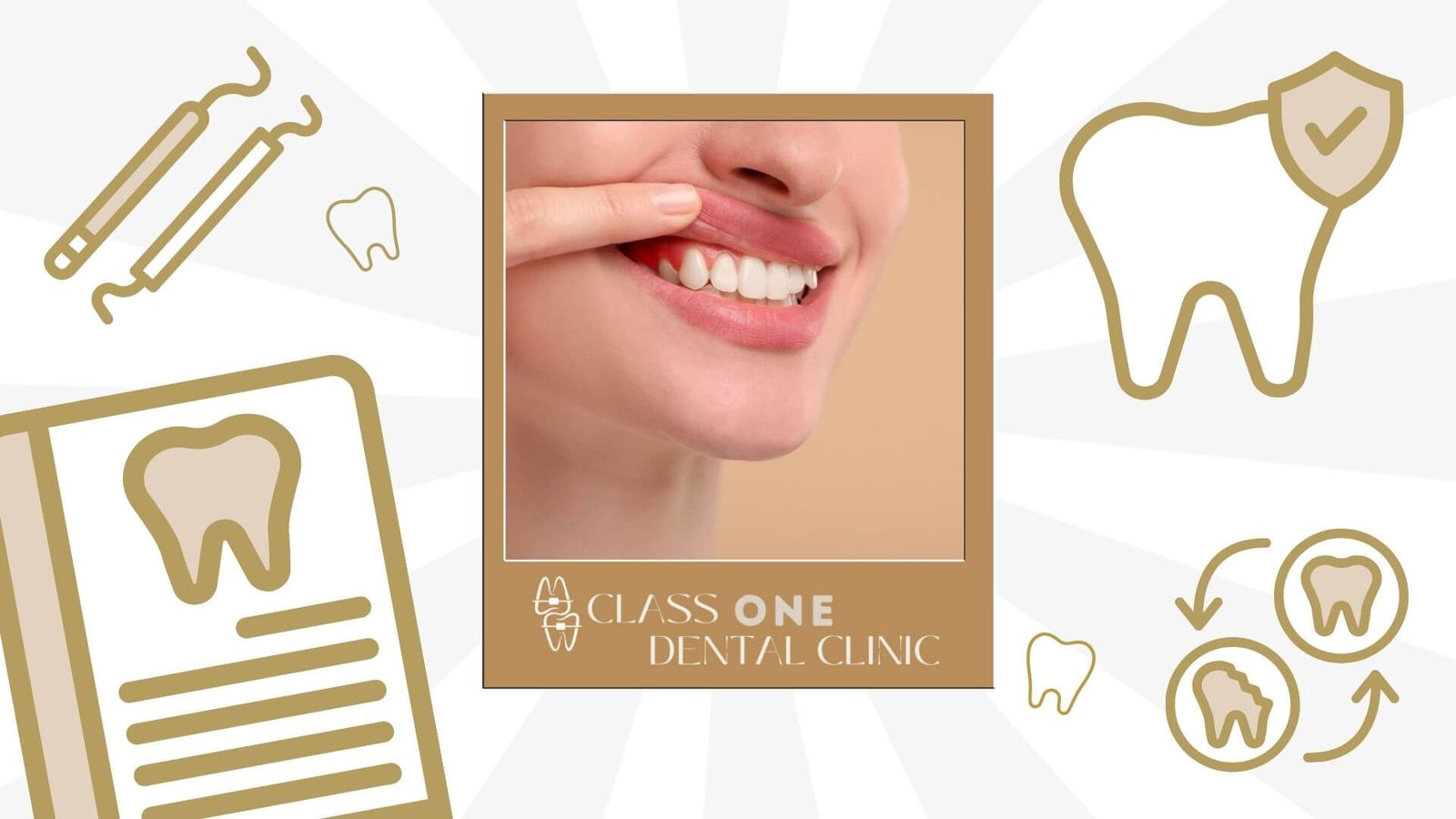
Swollen, painful and bleeding gums are another common problem. Food debris and plaque easily build up between the teeth and gums, especially when eating sticky foods such as New Year cake. These substances cause gum inflammation, which shows up as red, swollen and bleeding gums and even pain.
Tooth decay is also likely to appear during the New Year. Taking in large amounts of sugar during the New Year provides a source of nutrients for bacteria in the mouth. These bacteria break down the sugar and produce acids that corrode the enamel on the tooth surface and cause tooth decay. If not treated in time, the decay gradually deepens and may eventually lead to pulpitis and the need for root canal treatment.
Broken or worn teeth can also occur during the New Year. Chewing too much hard food, such as melon seeds or pistachios, may cause tiny cracks in the tooth surface. Although these cracks may have no symptoms at first, over time they may lead to more serious damage to the tooth structure.
How Teeth Cleaning Helps Prevent Dental Problems During the New Year
Teeth cleaning is the most effective way to prevent the dental problems described above. Through a teeth cleaning, the dentist can use professional instruments to remove the plaque and tartar that have built up on the tooth surfaces and along the gum margins. This process not only cleans the teeth but also helps prevent oral diseases such as periodontal disease and tooth decay.
Teeth cleaning has multiple benefits. First, it effectively removes plaque and tartar. Although daily brushing removes some plaque, it cannot remove all of it, especially in hard-to-clean areas such as between the teeth and along the gum margins. Through a teeth cleaning, the dentist can use ultrasonic or other professional tools to clean these hard-to-reach areas.
Second, teeth cleaning helps prevent gingivitis and periodontal disease. When plaque builds up along the gum margins over a long period, it causes gum inflammation. If it is not removed in time, the gum inflammation gradually develops into periodontal disease, which may eventually lead to loose or lost teeth. Regular teeth cleaning removes this disease-causing plaque in time and prevents periodontal disease from developing and progressing.
Third, teeth cleaning allows oral problems to be found early. During a teeth cleaning, the dentist carries out a thorough examination of the teeth and may find early tooth decay, tooth cracks or other problems. Finding these problems early allows treatment to begin early and stops the problems from getting worse.
Fourth, teeth cleaning improves oral hygiene and prevents bad breath. Plaque and food residue cause bad odours in the mouth. Removing them through a teeth cleaning effectively improves breath.
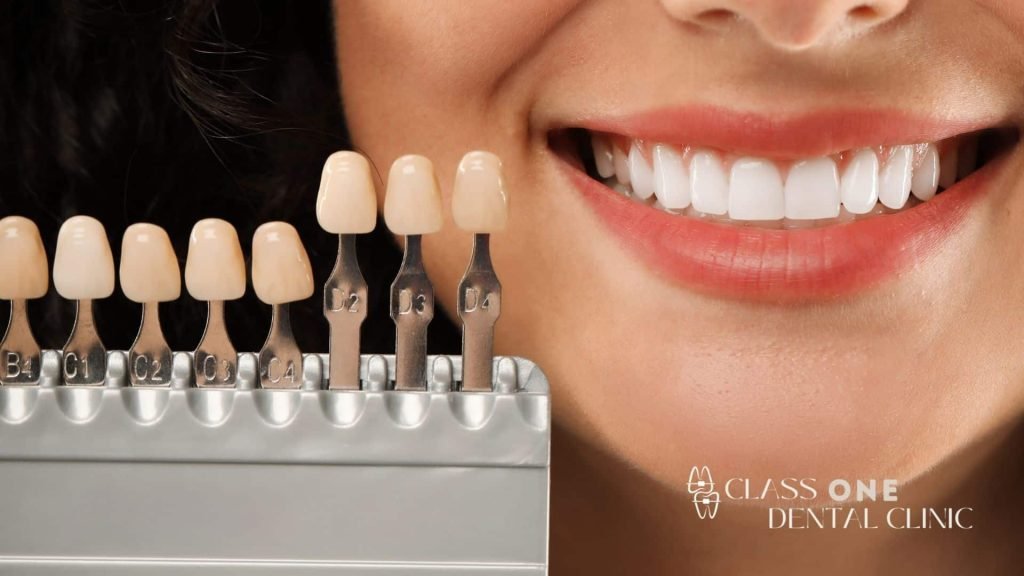
Fifth, teeth cleaning makes the teeth look whiter and brighter. Although the main purpose of a cleaning is not whitening, removing stains and tartar from the tooth surface makes the teeth look whiter. This is especially meaningful for those who want to greet family and friends at the New Year looking their best.
Oral Care Tips for the New Year
Besides having your teeth cleaned before the New Year, there are several other measures you should take during the New Year to maintain your oral health.
First, you should keep up good brushing habits. Even during the New Year, you should brush at least twice a day, for at least two minutes each time. Using fluoride toothpaste helps protect the teeth and reduces the risk of tooth decay.
Second, you should limit hard and sticky foods. Although the various traditional New Year foods are tempting, try to avoid eating too many hard foods such as melon seeds or pistachios, and also limit how much sticky food such as New Year cake you eat.
Third, you should avoid eating too much sugar and acidic food. The sweets and drinks of the New Year are all high in sugar, which feeds the bacteria in the mouth. In addition, some drinks such as fruit juice and fizzy drinks are acidic and easily erode tooth enamel. You should limit these foods and drinks and rinse your mouth promptly after eating.
Fourth, you should use dental floss to clean between the teeth. A toothbrush cannot effectively clean food residue and plaque from between the teeth, so you should floss every day. If you have wider gaps between your teeth, you can consider using interdental brushes.
Fifth, if any dental problem arises during the New Year, you should seek dental help as soon as possible. Although many dental clinics may close during the New Year, many offer emergency dental services. If you have severe toothache, contact a clinic promptly for help.
Contact Details for Booking a Dentist on Hong Kong Island and in Sai Wan
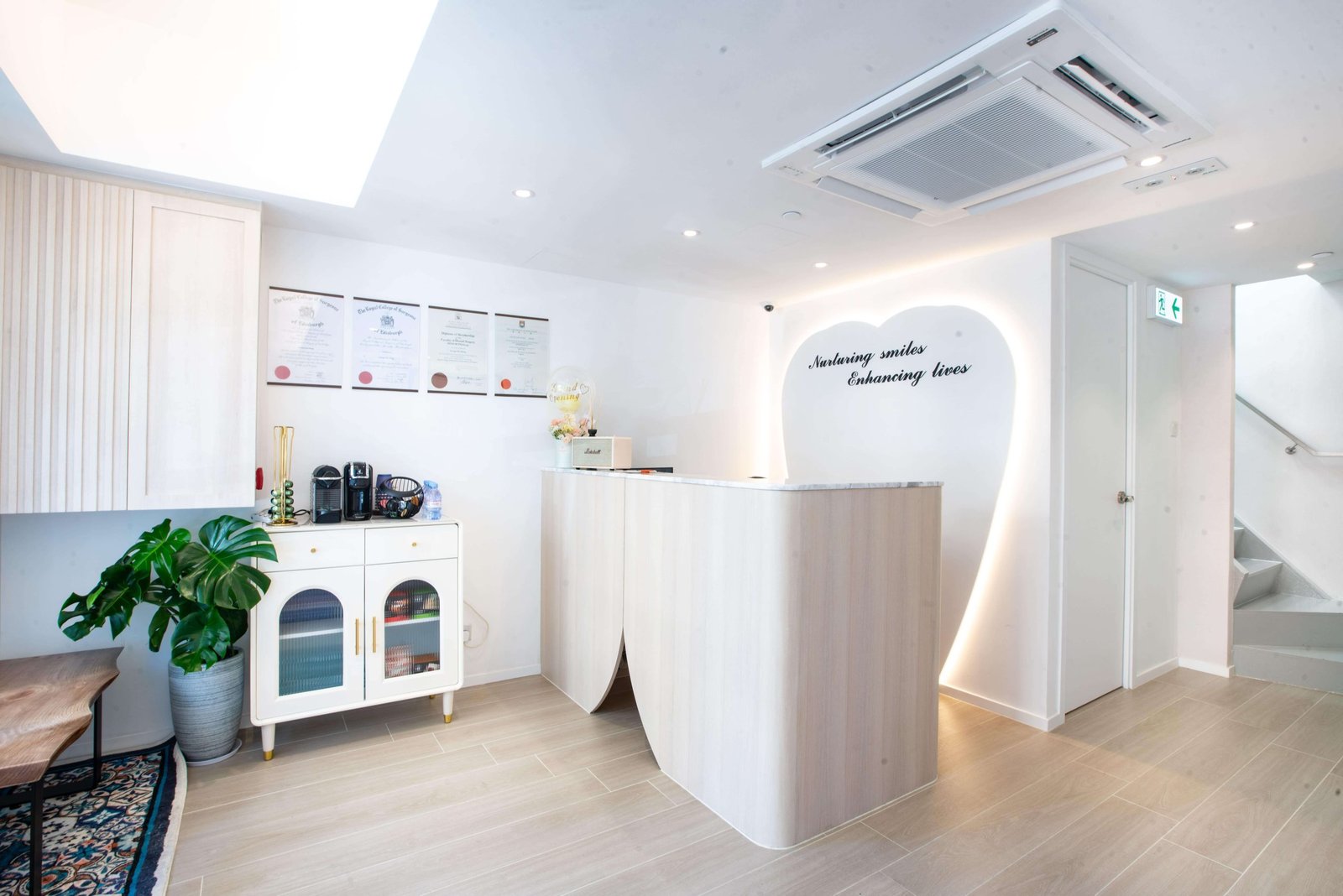
Class ONE Dental Clinic is located at Shop 6, G/F, 1 Davis Street, Kennedy Town, Sai Wan, Hong Kong. It is easy to reach, about a 3-minute walk from Exit C of Kennedy Town MTR Station. The clinic offers several ways for patients to make appointments, including telephone +852 2870 0302, WhatsApp +852 6113 8841 and email classonedc@gmail.com.
Class ONE Dental Clinic is committed to providing residents of Kennedy Town and neighbouring areas with high-quality, convenient dental services, combining professional medical technology with a caring approach so that every patient can receive the best treatment results in a comfortable environment.
Teeth Cleaning FAQ
Question 1: Is teeth cleaning very painful? Will my teeth become more sensitive after a cleaning?
How uncomfortable a teeth cleaning is depends on each person’s teeth and oral sensitivity. For most people, a cleaning causes only slight discomfort rather than pain. The dentist will adjust the force and speed of the cleaning according to the patient’s reactions. In addition, many clinics offer local anaesthetic, which can further reduce discomfort. As for tooth sensitivity after cleaning, some patients may indeed experience short-term tooth sensitivity after a cleaning. This is usually because removing the tartar during cleaning exposes the root surface that was previously covered by tartar. However, this sensitivity is usually temporary and gradually fades within a few weeks. If the sensitivity persists, you can use fluoride toothpaste for sensitive teeth or ask your dentist for further treatment advice.
Question 2: How often should I have my teeth cleaned? Do I need an extra cleaning before the New Year?
Dental professionals usually recommend a teeth cleaning every six to twelve months. However, the exact frequency should depend on the individual’s oral condition. For people in good oral health, one or two cleanings a year are enough. For people with periodontal disease or other dental problems, more frequent cleanings may be needed, for example once every three to four months. As to whether you need an extra cleaning before the New Year, if it has been more than six months since your last cleaning, having one before the New Year is beneficial. This helps keep your teeth clean during the New Year and lowers the risk of dental problems during the holiday.
Question 3: What should I do if I have toothache or another dental problem during the New Year?
If you have a dental problem during the New Year, you should first try basic self-care. This includes rinsing with fluoride mouthwash, cleaning between the teeth with dental floss and avoiding chewing on the affected tooth. In addition, you can gently clean around the affected tooth with a soft-bristled toothbrush and apply a cold pack to the area to reduce swelling and pain. However, if the pain persists or gets worse, you should seek dental help as soon as possible. Many dental clinics offer emergency dental services and can be contacted even during the holiday. On Hong Kong Island, several clinics offer emergency dental services, and you can search online or phone to ask for help.