Why Regular Brushing Still Doesn’t Prevent Periodontal Disease
Many people find that despite brushing their teeth morning and night, using mouthwash, and even feeling that their tooth surfaces are very clean, they are still told during dental scaling that they have gum inflammation, deepening periodontal pockets, calculus (tartar), or early-stage periodontal disease. This situation is actually quite common because periodontal disease cannot be completely avoided simply by “whether you brush your teeth or not.” Instead, it is related to brushing technique, cleaning coverage, dental plaque accumulation, calculus, lifestyle habits, physical conditions, and regular dental checkups.
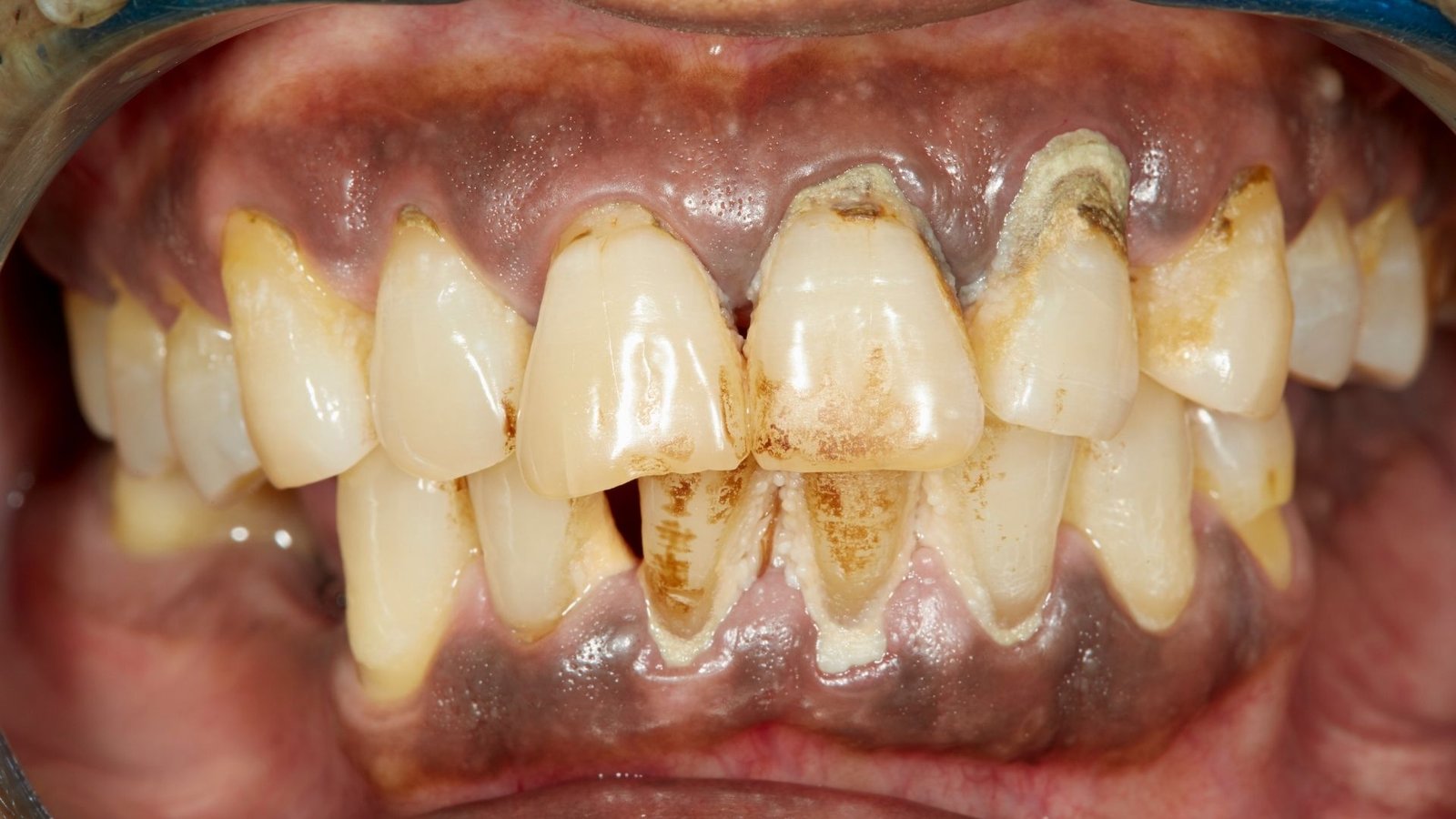
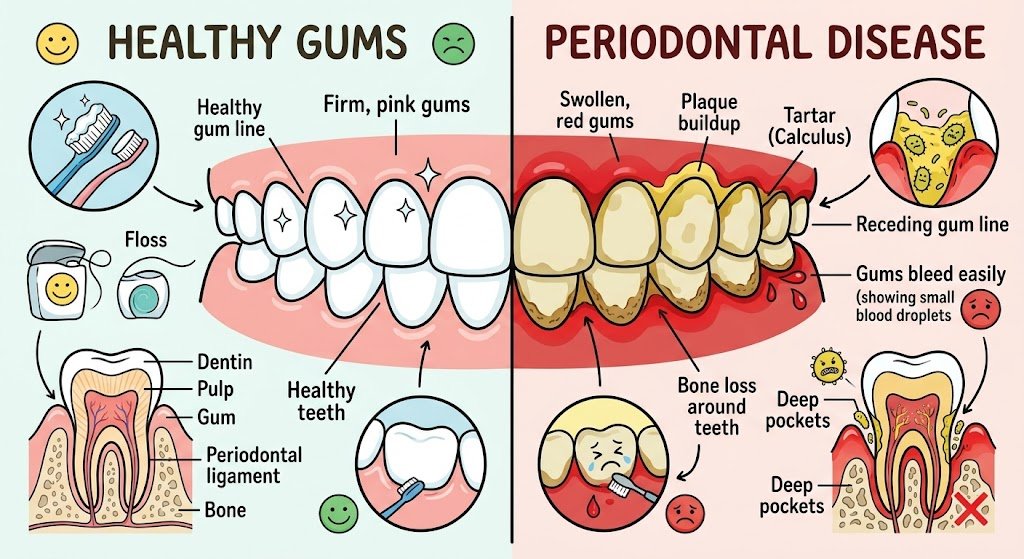
Periodontal disease is a condition that affects the gums and the supporting tissues around the teeth. In its early stages, it may simply present as red, swollen gums, bleeding when brushing, or bad breath. If ignored for a long time, the inflammation can gradually affect the periodontal ligament and alveolar bone, causing teeth to loosen, shift, or even increasing the risk of tooth loss. Therefore, even if you brush diligently every day, you need to understand whether you are truly cleaning the gum margins and interdental spaces, and combine this with regular dental checkups to more comprehensively protect your periodontal health.
The following five common reasons why periodontal disease may still occur despite daily brushing help explain the problems easily overlooked during oral hygiene routines.
Reason 1: Only brushing the tooth surfaces while neglecting the gum margins
When brushing teeth, many people focus most on whether the front of the teeth is clean and free of food debris, while ignoring that periodontal disease most frequently starts near the gingival sulcus—the junction between the teeth and gums. This area easily accumulates dental plaque, which is a film of bacteria attached to the tooth surface that is not always easily visible to the naked eye.
If brushing only focuses on the middle surface of the teeth without gently bringing the bristles to the gum margins, dental plaque may remain trapped in the gingival sulcus. When bacteria and their metabolic byproducts chronically irritate the gums, redness, bleeding, swelling, pain, or bad breath may occur. These are common early signs of gingivitis.
When brushing, you do not need to vigorously scrub your gums, nor should you assume that brushing harder means a cleaner mouth. Excessive force can actually damage the gums, abrade the tooth surface, and even cause gum recession. A more ideal approach is to use a soft-bristled toothbrush, positioning the bristles at an appropriate angle near the gum margins, and cleaning with small, gentle vibratory or sweeping motions.
Adults generally should brush for about two minutes each time, systematically cleaning in sections, including the outer surfaces, inner surfaces, and biting surfaces. The inner surfaces of the lower front teeth, the outer surfaces of the back teeth, the very back molars, and the gum margins are all blind spots that are easily overlooked.
Reason 2: Failing to clean between teeth, where standard toothbrushes cannot reach
Even with correct brushing techniques, ordinary toothbrushes cannot fully clean the contact surfaces between adjacent teeth. Food fibers, dental plaque, and bacteria easily get trapped in the interdental spaces. Without the use of dental floss, interdental brushes, or other suitable auxiliary tools, the accumulations in these spaces will continue to irritate the gums.
Many people assume that because their tooth surfaces feel smooth after brushing, their entire mouth is clean. However, dental plaque in the interdental spaces does not always cause immediate discomfort, yet it can progressively cause gingivitis and periodontal problems. When inflammation in the interdental spaces persists, the gums may bleed, swell, recede, or even form deeper periodontal pockets.
Dental floss is generally suitable for individuals with tightly spaced teeth and can be used to clean the sides of the teeth. When using it, the floss should be curved closely against the surface of one tooth in a “C” shape, then gently moved up and down rather than snapping quickly in and out. This effectively removes dental plaque attached to the side of the tooth.
If the interdental spaces are wider, the gums have receded, you have undergone periodontal treatment, or you wear fixed bridges or orthodontic appliances, interdental brushes may be more suitable. Interdental brushes should be appropriately sized—too small may yield insufficient cleaning, while too large may cause gum discomfort. Before choosing the right tool, consult a dentist or dental hygienist.
A small amount of bleeding when first using dental floss or interdental brushes does not necessarily mean you should stop immediately. Bleeding often reflects existing gum inflammation; with consistent, correct cleaning, healthy gums usually bleed less over time. However, if bleeding is significant, persistent, or accompanied by pain, seek a dental checkup promptly.
Reason 3: Once dental calculus forms, brushing alone cannot remove it
If dental plaque is not removed in time, it combines with minerals in saliva and gradually hardens into dental calculus (tartar). Calculus has a rough surface that easily attracts more bacteria, making plaque even harder to thoroughly clean away. It can appear on the tooth surfaces and accumulate below the gum margin, acting as a major factor that continuously irritates the periodontal tissues.
Once dental calculus has formed, no matter how diligently you brush every day, you cannot grind it away with a toothbrush or household mouthwash. Some people attempt to scrape away calculus themselves using sharp tools; this can damage the gums and tooth surfaces or cause infection and other issues, and is strongly discouraged.
Scaling (teeth cleaning) involves a dental professional using appropriate instruments to remove dental plaque and calculus from tooth surfaces and near the gum margins. If periodontal issues are already pronounced, deeper periodontal cleaning may be needed, such as treating calculus and bacterial accumulation on the root surfaces and inside periodontal pockets. Actual treatment methods are determined based on periodontal examination, tooth mobility, periodontal pocket depth, and imaging results.
The rate at which calculus forms varies from person to person, depending on saliva composition, oral hygiene habits, tooth alignment, diet, smoking, and periodontal status. Therefore, not everyone requires the exact same scaling interval. Regular checkups allow dentists to arrange a suitable tracking and cleaning plan based on individual circumstances.
Reason 4: Brushing habits look diligent, but the technique may be incorrect
“Brushing many times” does not necessarily equal “effective brushing.” Some people brush three times a day but spend only tens of seconds each time; others brush too quickly, habitually focusing only on the front teeth and easily visible areas; still others long-term use overly hard toothbrushes or scrub horizontally, causing gum injuries, cervical tooth abrasion, or gum recession.
Incorrect brushing methods can leave dental plaque behind while damaging gum health. When gums recede, the root surfaces may become exposed, easily leading to tooth sensitivity, cleaning difficulties, and a reduction in periodontal supporting tissues. Periodontal disease is not just “swollen gums”—it involves the supporting structures around the teeth, meaning daily cleaning methods must balance thoroughness with gentleness.
When choosing a toothbrush, soft bristles are generally suitable for daily use. Electric toothbrushes can also serve as helpful tools, but correct positioning and dwell time are still required; an electric toothbrush will not magically solve all cleaning problems on its own, and the gum margins, back teeth, and inner surfaces still need to be addressed section by section.
Toothpaste mainly helps with cleaning, freshening the breath, and providing anti-cavity or anti-sensitivity benefits depending on its ingredients. However, toothpaste itself cannot replace the mechanical action of brushing, nor can it remove already formed calculus. Mouthwash can serve as a supplementary aid in certain situations, but it likewise cannot replace brushing and interdental cleaning.
If you are unsure whether your brushing technique is correct, you can ask a dentist or dental hygienist to demonstrate during a follow-up visit or scaling appointment. Using plaque-disclosing agents to reveal plaque locations can also help visualize areas of insufficient daily cleaning, allowing you to adjust your habits.
Reason 5: Lifestyle habits and physical health increase periodontal risk
Although periodontal disease is related to dental plaque, it is not solely an oral hygiene issue. Factors such as smoking, poorly controlled diabetes, high stress, sleep deprivation, nutritional imbalances, hormonal changes, certain medications, immune status, and family predisposition can all affect how the gums and periodontal tissues react to bacteria.
Smoking is one of the major risk factors for periodontal disease. Smoking can impair gum blood circulation and wound healing capacity, and may also mask some inflammatory signs. Some smokers may experience gum disease progression without their gums bleeding as easily as non-smokers, thereby delaying detection.
Diabetes and periodontal health also share a two-way relationship. Unstable blood sugar levels can increase infection and inflammation risks, making periodontal tissues harder to repair, while severe periodontal inflammation can also complicate blood glucose management. Therefore, diabetic patients should regularly check their periodontal status and view oral health as part of overall health management.
During pregnancy, puberty, menopause, or other hormonal changes, some individuals react more noticeably to dental plaque, making their gums prone to redness, swelling, or bleeding. This does not mean you should brush less; rather, it calls for gentle and meticulous cleaning of the gum margins and interdental spaces.
Stress, staying up late, and irregular diets can also indirectly affect oral health. When busy, many people shorten brushing times, forget interdental cleaning, or increase their frequency of sugary snacks and smoking, allowing periodontal risks to accumulate. Therefore, periodontal care extends beyond brushing twice a day—it is tied to overall lifestyle rhythms.
Early warning signs of periodontal disease should not be ignored
Early-stage periodontal disease may not cause much pain and is thus easily overlooked. Many people assume that bleeding when brushing is just “thin gums” or “brushing too hard,” but recurrent bleeding is frequently a sign of gum inflammation. If handled early at the gingivitis stage, there is a better chance of restoring healthier gums through improved cleaning, professional scaling, and lifestyle adjustments.
Common warning signs to watch for include:
-
Gums that bleed easily when brushing, flossing, or eating
-
Red, swollen, painful, tender, or itchy gums
-
Chronic bad breath that does not noticeably improve after brushing
-
Gum recession, making teeth look longer
-
Interdental spaces becoming wider and food easily getting trapped
-
Tooth sensitivity, especially when exposed to cold, hot, or sweet foods
-
Changes in tooth position or bite sensation
-
Loose teeth
-
Pus, swelling, or recurrent inflammation around the gums
Experiencing the above does not necessarily mean you have severe periodontal disease, but it warrants prompt evaluation. A dentist can assess whether gingivitis, periodontitis, cavities, bite issues, or other conditions are present through clinical examination, periodontal probing, X-ray imaging, and medical history review.
How to correctly prevent periodontal disease
Preventing periodontal disease does not require complicated procedures; it relies on turning effective cleaning and regular checkups into a stable routine.
-
Brush twice daily: Spend about two minutes each time, paying attention to the gum margins, inner tooth surfaces, and back teeth. Toothbrushes should be replaced regularly—once the bristles flare, deform, or after a period of use.
-
Clean interdental spaces daily: Dental floss, interdental brushes, and other interdental tools each have specific uses. The key is choosing tools suited to your gap sizes and tooth condition and using them correctly. If you have bridges, implants, fixed braces, or a history of periodontal disease, personalized cleaning advice should be obtained from a dentist.
-
Receive regular dental checkups and professional cleaning: Even without tooth pain, your periodontal health may not be optimal. Periodontal disease can be painless in early stages, and checkups help catch calculus, periodontal pockets, gum recession, or bone loss early.
-
Improve lifestyle habits: Reduce or quit smoking, maintain stable blood glucose, eat a balanced diet, get adequate rest, and manage stress to help lower periodontal risks. If you take long-term medications or have chronic conditions like diabetes, inform your dental team during visits.
-
Do not assume problems are resolved on your own: Gums stopping bleeding does not mean all periodontal issues have vanished. Conversely, temporary sensitivity or wider-feeling gaps after scaling do not mean scaling “ruined your teeth.” Once calculus is removed, previously hidden gaps and gum recession may become noticeable, which serves as a reminder to maintain consistent cleaning and follow-up visits.
Class ONE Dental Clinic reminds patients that periodontal health requires combining daily self-care with professional checkups. Diligent brushing is a great start, but long-term neglect of interdental spaces, gum margins, calculus, and lifestyle factors can still allow periodontal disease to quietly develop. Understanding your oral condition, refining your cleaning methods, and scheduling checkups tailored to your needs will help maintain long-term health for your teeth and gums.
Periodontal disease common FAQ
Is bleeding gums when brushing caused by brushing too hard? Brushing too hard can indeed injure the gums, but recurrent bleeding is more commonly caused by gum inflammation and dental plaque accumulation. Switching to a soft-bristled toothbrush to clean gum margins gently, alongside daily interdental cleaning, is recommended. If bleeding persists, is noticeable, or is accompanied by gum pain and swelling, seek a dental checkup promptly.
Can mouthwash replace dental floss or interdental brushes? No. Mouthwash can serve as a supplementary aid in daily oral care, but it cannot directly remove dental plaque and food debris from tight interdental contact surfaces like floss or interdental brushes can. To prevent periodontal disease, brushing must be paired with daily interdental cleaning.
If I already have periodontal disease, will I definitely lose my teeth? Not necessarily. The earlier periodontal disease is detected and treated, the better the chances of controlling inflammation and slowing further damage to periodontal tissues. Treatment methods vary depending on severity and may include professional cleaning, deep periodontal treatment, improved cleaning habits, and regular follow-ups. Even if periodontal disease cannot be completely cured by a single treatment, ongoing monitoring and maintenance help retain teeth.