A Professional Guide to Orthodontic Treatment and Braces
Orthodontic treatment, commonly known as getting braces, is a professional dental procedure that uses orthodontic appliances to move teeth into their ideal positions and adjust their alignment, improving both appearance and bite problems. With advances in dental technology, Hong Kong now offers a range of orthodontic options, including traditional metal braces and invisible braces (clear aligners). Both can effectively treat common bite problems and uneven teeth.
What Exactly Is Orthodontic Treatment?
Orthodontic treatment is a long-term dental procedure in which appliances apply continuous, gentle force to the teeth, gradually moving them into their planned positions. The process does not only improve the appearance of your teeth; more importantly, it corrects the bite, improving chewing function and speech clarity. Professional orthodontic treatment also helps keep the teeth clean and improves oral hygiene and gum health, reducing the long-term risk of tooth decay (cavities), gingivitis and periodontal disease.
If you have any of the following dental problems, you may wish to consult an orthodontic specialist about whether orthodontic treatment is needed. Crowding means the teeth are packed too closely together and overlap, which makes it easy for food debris and bacteria to collect and increases the risk of tooth decay. Excessive spacing means there are noticeable gaps between the teeth, which affects appearance and makes it easier for food to become trapped.
A deep bite means the upper front teeth overlap the lower front teeth too much when biting, which may cause the lower front teeth to bite into the gums of the upper jaw and lead to discomfort. A reverse bite (underbite) is when the lower front teeth sit in front of the upper teeth, and is a common bite problem. An open bite means the upper and lower teeth cannot touch each other when the mouth is fully closed, affecting chewing and speech.
A crossbite means the upper teeth sit inside the lower teeth, giving an abnormal bite relationship. Crooked teeth refers to teeth that are tilted or out of position and not neatly aligned. These conditions make tooth decay, gingivitis and periodontal disease more likely. In severe cases they can lead to tooth loss, or place excessive stress on the jawbone and impair chewing ability.
Traditional Metal Braces vs Invisible Braces
Traditional metal braces use fixed orthodontic appliances. Brackets and bands are attached to the surface of the teeth and connected with a wire, and the teeth move by following the spring-back force of the wire. The dentist uses the brackets bonded to the teeth and the metal wire to adjust the force applied to the braces at regular intervals, accurately guiding the teeth to their target positions.
If the condition of the teeth is more complex, the dentist may also use orthodontic mini-implants together with elastic bands to speed up tooth movement, while reducing the need for surgery. The advantages of traditional metal braces include suitability for all cases, mature and reliable technology, and stronger corrective force that can handle more complex dental problems.
In Hong Kong, treatment with traditional metal braces takes roughly 1.5 to 3 years. Ceramic braces look better than metal braces: they are made from a tooth-coloured ceramic material and are less noticeable, but are relatively more expensive.
Invisible braces are a popular orthodontic option in recent years. They are transparent and almost invisible, and are widely regarded as a very aesthetic orthodontic appliance. Clear aligners are made from medical-grade transparent plastic and are moulded as a single piece that covers the teeth, providing gentle pressure that moves the teeth progressively.
The advantages of clear aligners include a discreet appearance that does not affect your look, the freedom to remove them for eating and cleaning, a lower risk of injury inside the mouth, and fewer follow-up visits. Because the surface of clear aligners is smooth and has no metal edges, they will not scratch the lining of the mouth, and you need not worry even when playing sports.
The price of invisible braces in Hong Kong depends on the brand and the complexity of the treatment. Systems backed by advanced technology and extensive clinical data tend to cost more. Treatment takes roughly 3 months to 2 years, which is shorter than with traditional braces.
The Orthodontic Treatment Process
Class One Dental Offers Orthodontic Services in Kennedy Town
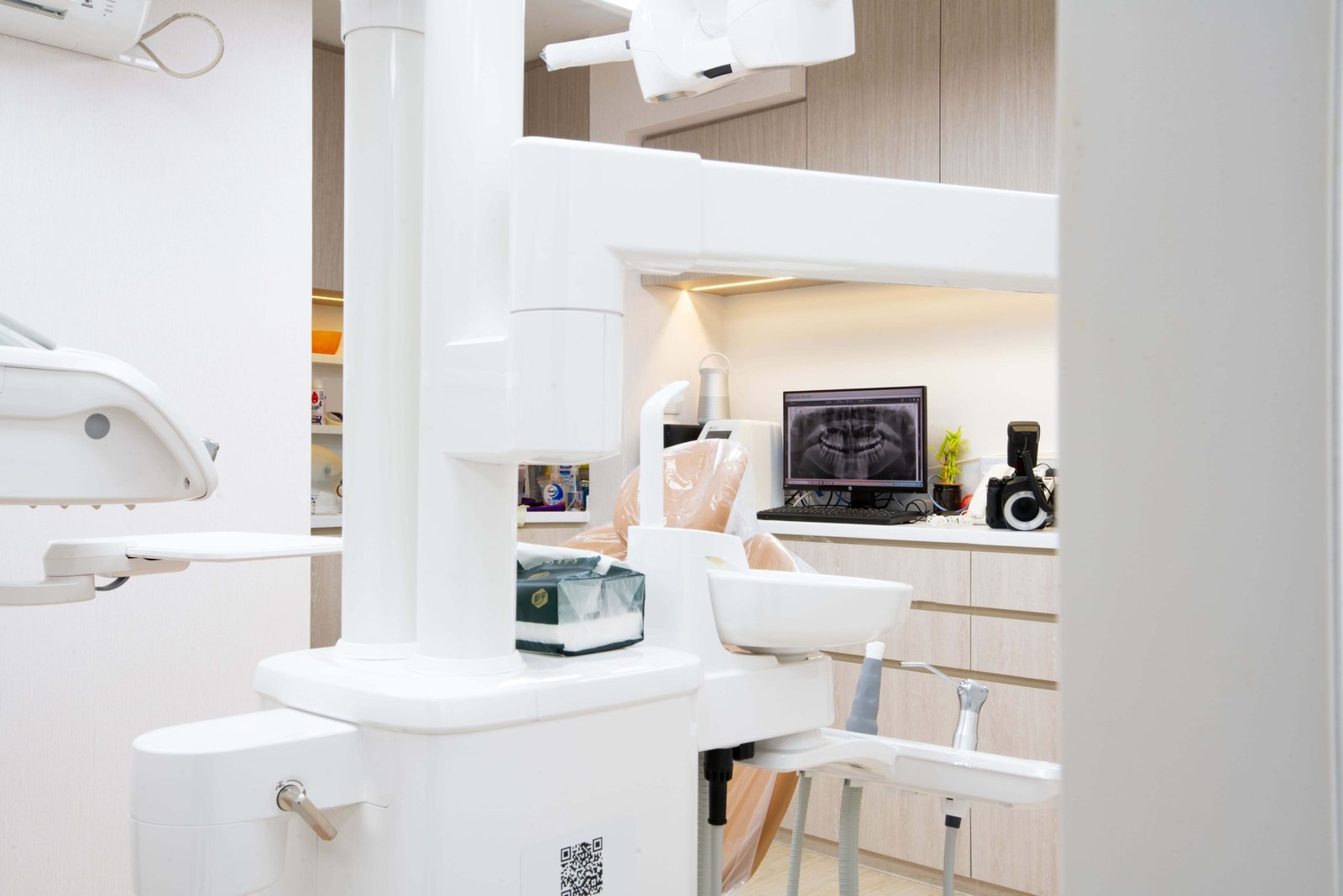
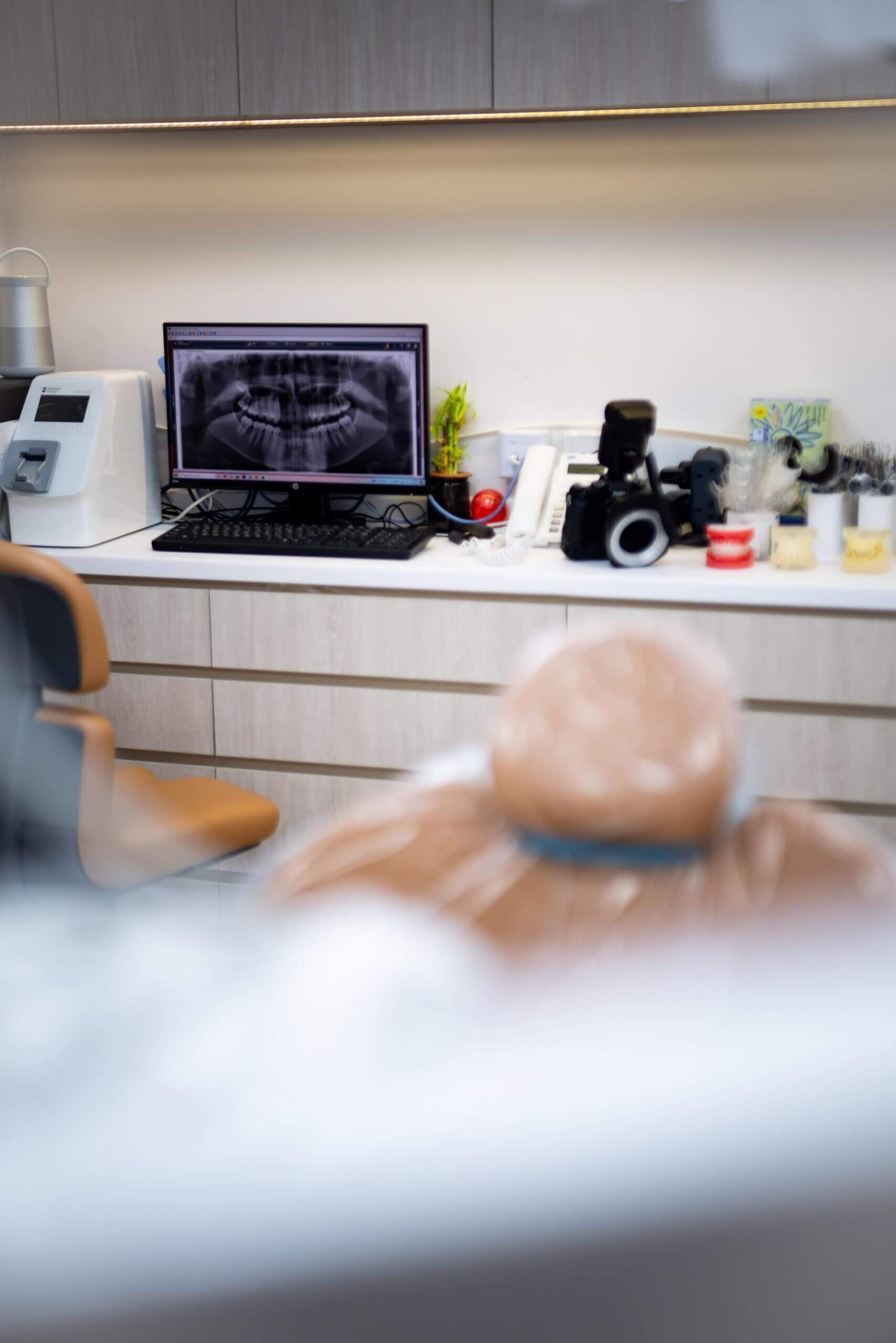
Before orthodontic treatment begins, the dentist will carry out a detailed examination and assessment of the teeth and jaw to confirm whether professional orthodontic treatment is suitable. The examination includes X-rays and a digital intraoral scan, to see where the teeth sit within the gums and to show how all the upper and lower teeth bite together.
The dentist will take photographs of the patient’s teeth, bite and profile in order to analyse the alignment of the teeth and the bite thoroughly. For clear aligner treatment, computer software is used to simulate the stages of tooth movement and help build the treatment plan, so that patients understand the whole process before treatment begins and feel more confident about the expected results.
If there is not enough space between the teeth, the dentist may recommend tooth extraction, removing one or more teeth to give the remaining teeth enough room to be repositioned. If you choose traditional metal braces, the dentist will fit the braces, and you will need regular follow-up visits for adjustments, generally once every 4 to 6 weeks.
If you choose clear aligners, it takes about 2 to 4 weeks to receive your custom-made aligners. Following the dentist’s instructions, you wear the designated aligners for the specified period, changing to a new set on average every 1 to 2 weeks, and attend regular follow-up visits.
Before any orthodontic treatment, the dentist will generally first understand the condition of the patient’s teeth and, taking into account the patient’s expectations and functional needs, work together with the patient to draw up a suitable treatment plan.
Orthodontic treatment takes a considerable amount of time, so it is important to consider your daily needs and habits, and the exact treatment duration depends on the complexity of the case. Anyone seeking orthodontic treatment or braces should ask the clinic to explain the fees clearly, so that patients understand the cost of treatment and the expected results, and unnecessary additional treatment can be avoided.
Oral hygiene is especially important during orthodontic treatment. You must brush morning and night with fluoride toothpaste, and use dental floss or interdental brushes to clean between the teeth. Braces make cleaning more difficult and plaque builds up easily; inadequate cleaning increases the risk of tooth decay and periodontal disease.
As for diet, avoid foods that are too hard or sticky, as these may damage the appliances or become lodged between the teeth and the appliances, increasing the risk of dental disease. We recommend avoiding hard foods such as hard sweets, nuts and popcorn, as well as sticky foods such as candies and chewing gum.
Regular follow-up check-ups are the key to smooth progress. Patients must attend appointments on time as arranged by the dentist, so that the dentist can adjust the corrective force and monitor tooth movement. After treatment is complete, wear a retainer as instructed to stop the teeth returning to their original positions and to maintain the results.
Frequently Asked Dental Questions
Q: Is there an age limit for orthodontic treatment? Can adults still get braces?
A: There is almost no age limit for orthodontic treatment; patients from children as young as 10 to adults in their 40s can be treated. Although the ideal period for orthodontic treatment is between 10 and 12 years old, because the jawbone is still developing and teeth move faster, adults whose teeth and gums are healthy can also receive orthodontic treatment and achieve excellent results. The dentist will generally assess each individual case and draw up the most suitable treatment plan.
Q: How should I choose between traditional metal braces and invisible braces?
A: Choosing an orthodontic method requires considering several factors, including the complexity of the teeth, your aesthetic requirements, your budget and your lifestyle. Traditional metal braces are suitable for all cases, including complex ones, and apply stronger corrective force. Clear aligners are more aesthetic and comfortable and can be removed freely, making them suitable for mild to moderate cases. We recommend booking a consultation at Class ONE Dental Clinic, where a professional dentist will assess your case and give the most suitable recommendation.
Q: How long does orthodontic treatment take? Are there any side effects?
A: The duration of treatment varies with the complexity of the case. Traditional metal braces generally take 1.5 to 3 years, and clear aligners about 3 months to 2 years. Minor side effects may occur during treatment, including gum recession, root resorption and “black triangles” (gaps between the teeth and gums). However, by choosing an experienced dentist, controlling the corrective force appropriately and maintaining good oral hygiene, the risk of side effects can be greatly reduced. Dr. Leung of Class ONE Dental Clinic holds the qualification of “Member of the Faculty of Dental Surgery (Orthodontics), Royal College of Surgeons of Edinburgh” and has extensive experience, and will provide patients with safe orthodontic treatment.