What should you know about dental veneers and porcelain veneers? Four selection criteria to tell you about porcelain veneers. Many people want a set of white, neat and attractive teeth, because this affects not only their outward image but also their confidence and social interactions. However, for various reasons, many people’s teeth may not be white enough, may have an unideal shape, may be uneven in size, may be poorly aligned, or may have overly large gaps. The development of modern dental technology has brought patients a new option: dental veneers, especially porcelain veneers.
What Are Dental Veneers or Porcelain Veneers?
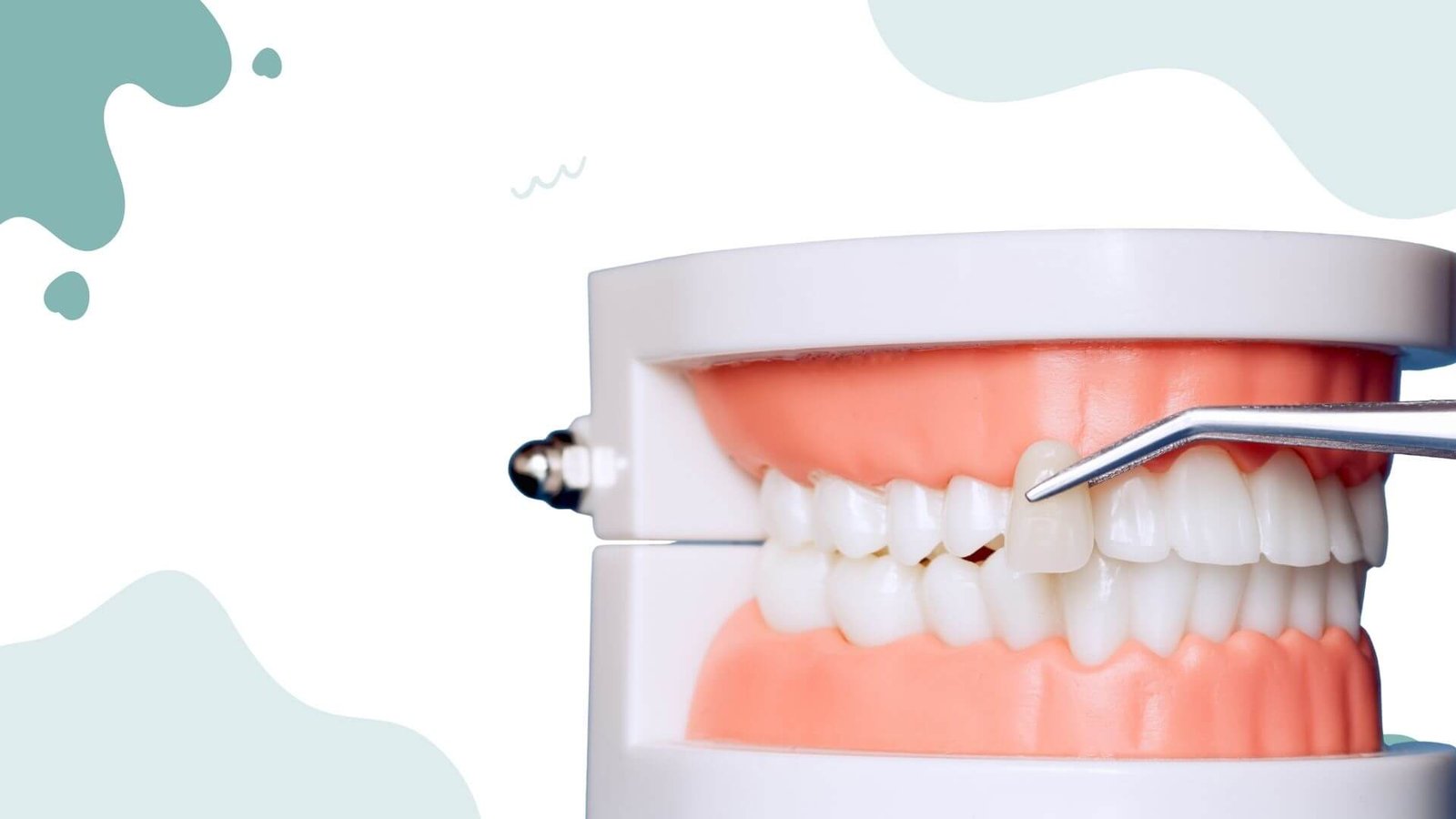
Dental veneers are a cosmetic dental treatment in which ultra-thin custom-made porcelain shells are bonded to the surface of the teeth. This approach can improve many aspects of the teeth, including colour, shape, size, alignment and gaps. Porcelain veneers are usually only 0.3 to 0.7 mm thick, which means the dentist needs to do only a slight reduction of the tooth when fitting them, causing minimal damage to the patient’s natural teeth.
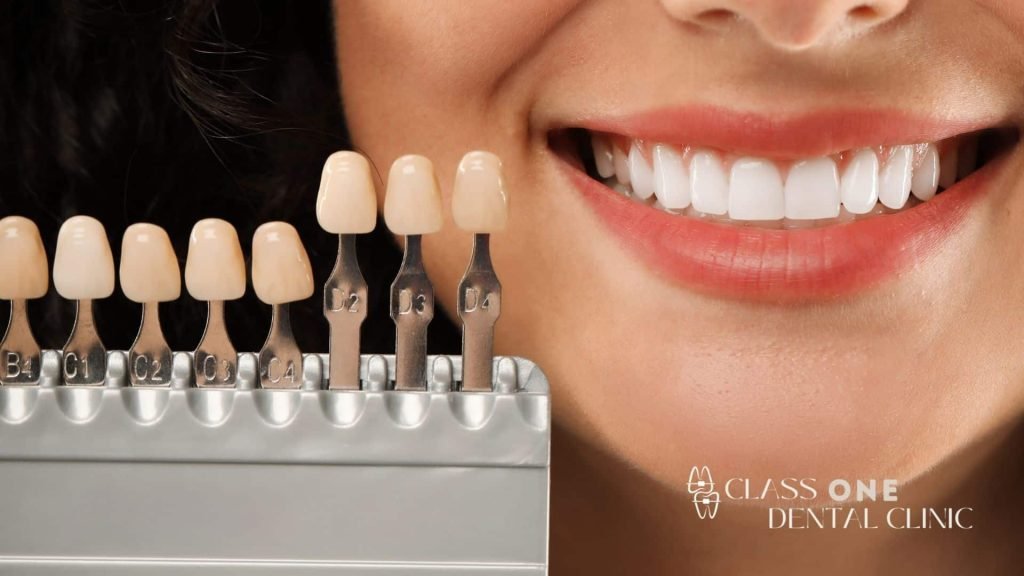
Making porcelain veneers involves several steps. First, the dentist carries out a detailed consultation to understand the patient’s expectations and goals. Next, the dentist helps the patient choose the most suitable tooth shade, a process known as shade selection. Shade selection is very important because the colour chosen should harmonise with the patient’s skin tone, eye colour and overall facial features. The dentist then lightly reduces the teeth, usually removing only 0.3 to 0.7 mm of the tooth surface. This amount of reduction is very small, and causes far less damage to the teeth than traditional crown treatment. If the teeth are tilted inwards and there is insufficient buccal corridor, porcelain veneers can be placed without reducing the teeth, adding volume to the teeth to improve their appearance.
The dentist then takes an impression of the reduced teeth, which is used to make the custom porcelain veneers. The laboratory makes veneers that match the shape and colour of the patient’s teeth exactly, based on the impression. Finally, the dentist uses a high-strength adhesive to fix the porcelain veneers to the tooth surface. Once the veneers have been made and fitted, their colour cannot be changed, so careful choices at the shade selection and fabrication stages are essential.
Criterion 1 for Choosing Porcelain Veneers: A Beautiful, Natural Appearance
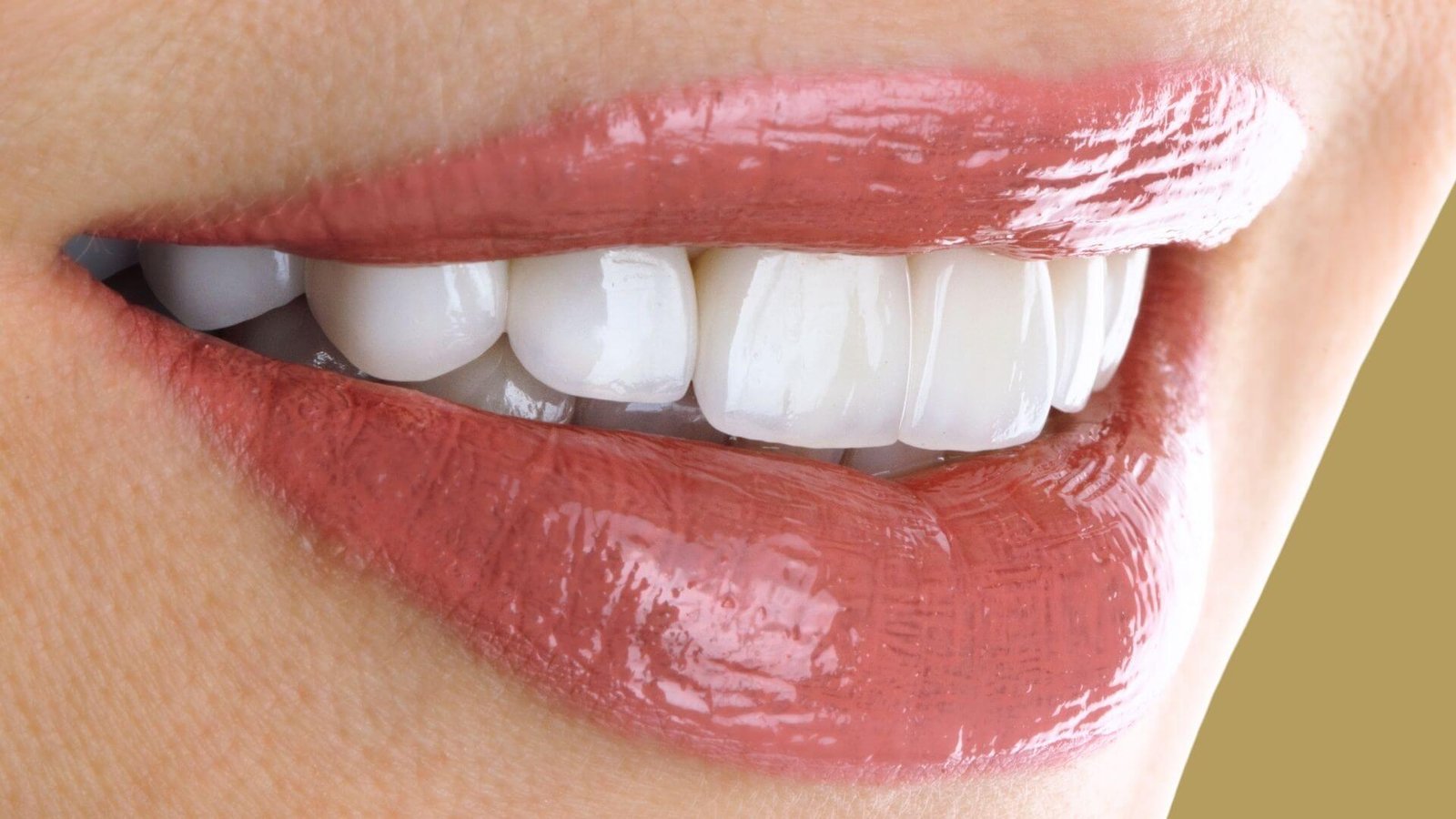
The first criterion for choosing porcelain veneers is that they can provide an extremely attractive and natural appearance. Porcelain is highly translucent, which means it lets light through like natural teeth, rather than looking unnaturally opaque. This high translucency allows porcelain veneers to reflect light in the most natural way and blend seamlessly with the surrounding natural teeth.
Dental veneers are extremely lifelike; even when viewed from very close up, it is hard to tell them apart from natural teeth. This high degree of realism comes from the fine processing of modern ceramic materials and the skilled craftsmanship of the laboratory. Laboratory technicians carefully make each veneer according to the patient’s individual characteristics, including the texture, brightness and depth of colour of the teeth. This personalised approach ensures the final result fully meets the patient’s expectations.
Veneers can solve a variety of cosmetic tooth problems. If a patient’s teeth are not white enough or are stained, porcelain veneers can solve the problem immediately. If the shape of the teeth is not ideal, for example if the edges are uneven, porcelain veneers can improve the shape. If the teeth are uneven in size, porcelain veneers can visually adjust the size by changing the appearance of the surface. If there is slight misalignment or overly large gaps, porcelain veneers can also provide a visual improvement.
Criterion 2 for Choosing Porcelain Veneers: Protecting Your Teeth and Minimising Damage
The second criterion for choosing porcelain veneers is that they cause very little damage to the teeth. Compared with other cosmetic treatments, especially traditional crown treatment, porcelain veneers require much less reduction. Traditional crown treatment requires a large amount of tooth reduction, usually removing 1 to 2 mm of the tooth surface, or even more. This heavy reduction means the patient permanently loses a large amount of natural tooth structure. Once crown treatment has been carried out, the patient must permanently keep the crowns, because teeth that have been reduced cannot be restored to their original state.
By comparison, porcelain veneers require only slight reduction, usually just 0.3 to 0.7 mm. This is a very small amount, and the patient keeps most of their natural tooth structure. If the patient is unhappy with the veneers in future, or the veneers are damaged in use, the dentist can still repair or replace them without needing any additional major reduction. This reversibility makes porcelain veneers a more flexible and tooth-preserving choice.
Porcelain veneers also have very little effect on gum health. Because the margins of the veneers sit on the tooth surface and do not involve major reshaping of the gums, irritation to the gums is minimal. After veneers are fitted, patients usually do not experience significant gum problems.
Criterion 3 for Choosing Porcelain Veneers: Durability and Long-Term Lifespan
The third criterion for choosing porcelain veneers is their outstanding durability. All-ceramic material is very durable, and with normal use and proper maintenance, porcelain veneers can last more than 10 years, and many patients can even keep them for 15 years or longer. This long lifespan means patients do not need frequent repairs or replacements, and from a long-term financial point of view it is a worthwhile investment.
Porcelain veneers do not stain easily. Unlike composite veneers, the surface of porcelain veneers is smooth and does not easily pick up stains from tea, coffee, red wine and other pigmented substances. Even after many years of use, porcelain veneers can retain their original colour and gloss. This resistance to staining ensures the patient’s teeth always stay white and bright.
The hardness of porcelain veneers is close to that of natural teeth, which means they can withstand everyday chewing forces without being easily damaged. Modern porcelain veneers mainly use two materials: zirconia and lithium disilicate. The hardness of zirconia is about 900 to 1,200 hPa, while that of lithium disilicate is about 300 to 400 hPa. The hardness of both materials is far higher than that of traditional composite veneers, allowing porcelain veneers to offer a longer lifespan. These hardness figures show that as long as patients maintain good care habits and avoid biting hard objects, porcelain veneers can last 10 to 15 years.
Criterion 4 for Choosing Porcelain Veneers: High Biocompatibility and Gum Health
The fourth criterion for choosing porcelain veneers is their outstanding biocompatibility. Modern porcelain veneers mostly use materials such as zirconia and lithium disilicate, which contain no metal. Being metal-free is very important for oral health, because metal components may cause allergic reactions or gum problems. Some patients are very sensitive to metal, and dental restorations containing metal may cause gum inflammation, allergic reactions or other discomfort. Ceramic materials avoid these problems entirely.
Zirconia and lithium disilicate both have excellent biocompatibility, which means the oral tissues, especially the gums, are highly compatible with these materials. Patients do not usually show any rejection reaction to the veneer material. These materials do not cause inflammation or discomfort when in contact with the gums. Long-term clinical experience and research have demonstrated the safety and biocompatibility of these materials.
Another health advantage of porcelain veneers is their gum-friendly margin design. The margins of porcelain veneers are usually located at the boundary between the tooth and the gum, and the design of this area needs to be very precise. A well-designed veneer margin does not cause irritation or pressure to the gums. The dentist will make sure the edges of the veneers are smooth, accurate and well adapted to the gums, to ensure long-term gum health.
Indications and Limitations of Porcelain Veneer Treatment
Although porcelain veneers have many advantages, there are also certain indications and limitations. Porcelain veneers are particularly suitable for improving the appearance of the front teeth, because the front teeth are the most visible teeth in a smile. Porcelain veneers can effectively improve the colour, shape and alignment of the front teeth.
Porcelain veneers are particularly suitable for mild to moderate cosmetic concerns. For slight misalignment, overly large gaps, teeth that are not white enough and similar problems, porcelain veneers can provide an ideal solution. For colour problems, such as a tooth that has become discoloured after previous root canal treatment, porcelain veneers can also improve the appearance effectively.
However, porcelain veneers may have limited effect on certain problems. If a patient’s teeth are severely misaligned, for example with large gaps between teeth or obvious crowding, porcelain veneers alone may not fully solve the problem. In such cases, they may need to be combined with braces or other orthodontic treatment. Likewise, if a patient has a serious bite problem, such as an overbite or crossbite, porcelain veneers cannot solve these complex problems either.
For patients who put heavy loads on their teeth through chewing, such as those who habitually bite hard objects, porcelain veneers may not be the best choice, because excessive force may damage the veneers. In these cases, other treatment options may be more suitable.
Maintenance and Long-Term Care of Porcelain Veneers
To ensure the long-term results and lifespan of porcelain veneers, patients need to maintain and care for them properly. First, patients should keep up good oral hygiene habits, including brushing twice a day, flossing and using mouthwash regularly. Good oral hygiene helps prevent gum disease and other dental problems.
Second, patients should avoid biting hard objects with their teeth, such as nuts, ice, hard sweets or other hard substances. These hard objects may put excessive force on porcelain veneers and cause damage. Patients should also avoid using their teeth to open bottle caps or doing other inappropriate activities.
Third, patients should have regular dental check-ups, generally recommended every six months. Regular check-ups allow the dentist to spot any potential problems early, such as food build-up at the veneer margins, gum problems or minor damage to the veneers themselves. Early detection and treatment of these problems can prevent them from getting worse.
Fourth, patients should consider using a mouthguard to protect the veneers. For patients who grind their teeth in particular, wearing a mouthguard at night can prevent damage to the veneers caused by grinding. Likewise, athletes should wear a sports mouthguard when playing contact sports to protect their mouth and veneers.

Porcelain Veneers FAQ
Q1: Do porcelain veneers always require tooth reduction?
Generally speaking, porcelain veneers do require the teeth to be reduced, otherwise the teeth can easily look protruding. If the teeth are tilted inwards and there is insufficient buccal corridor, porcelain veneers can be placed without reducing the teeth, adding volume to the teeth to improve their appearance. For detailed advice, please consult your dentist first.
Q2: Will porcelain veneers feel uncomfortable or foreign after they are fitted?
Most patients adapt quickly after porcelain veneers are fitted. There may be a brief foreign-body sensation at first, but it usually fades within a few days. Patients should let their tongue and bite adjust to the new veneers. If the patient still feels uncomfortable after a few weeks, they should contact the dentist for an examination and adjustment. The dentist can usually make minor adjustments to ensure the best comfort. As for the bite, because porcelain veneers are simply bonded to the tooth surface, they do not change the way the patient bites, so they do not usually cause any bite problems.
Q3: What if a porcelain veneer is damaged or comes off during use?
Although modern porcelain veneers and bonding techniques are very reliable, in a few cases a veneer may be damaged or come off. If a veneer comes off, the patient should contact the dentist immediately. The dentist can assess the condition of the underlying tooth and decide whether the original veneer can be re-bonded or a new one needs to be made. If a veneer is damaged, it usually needs to be replaced, as a damaged veneer cannot be repaired. In this case, the dentist will make a new veneer from the original tooth model. Patients should avoid delaying treatment, because a tooth without the protection of a veneer may be prone to staining or further damage. To prevent veneer damage, patients should follow the dentist’s advice, avoid chewing hard objects and have regular dental check-ups.