3 Key Things to Know to Guard Against Gum Inflammation
Gum inflammation is a common oral health problem among people in Hong Kong. In the early stages it shows up as bleeding when brushing, red and swollen gums and discomfort. If the warning signs of gum inflammation are ignored for a long time, it may develop into periodontal disease, causing loose teeth or even tooth loss. With the faster pace of city life, changing eating habits and increasing stress, more and more people in Hong Kong are facing gum health problems. Knowing how to prevent gum problems effectively and protect your teeth is the key to lifelong oral health. This article explains in detail three important things to know about protecting your teeth and preventing gum inflammation, to help you build the right approach to oral care.
Causes and Dangers of Gum Inflammation
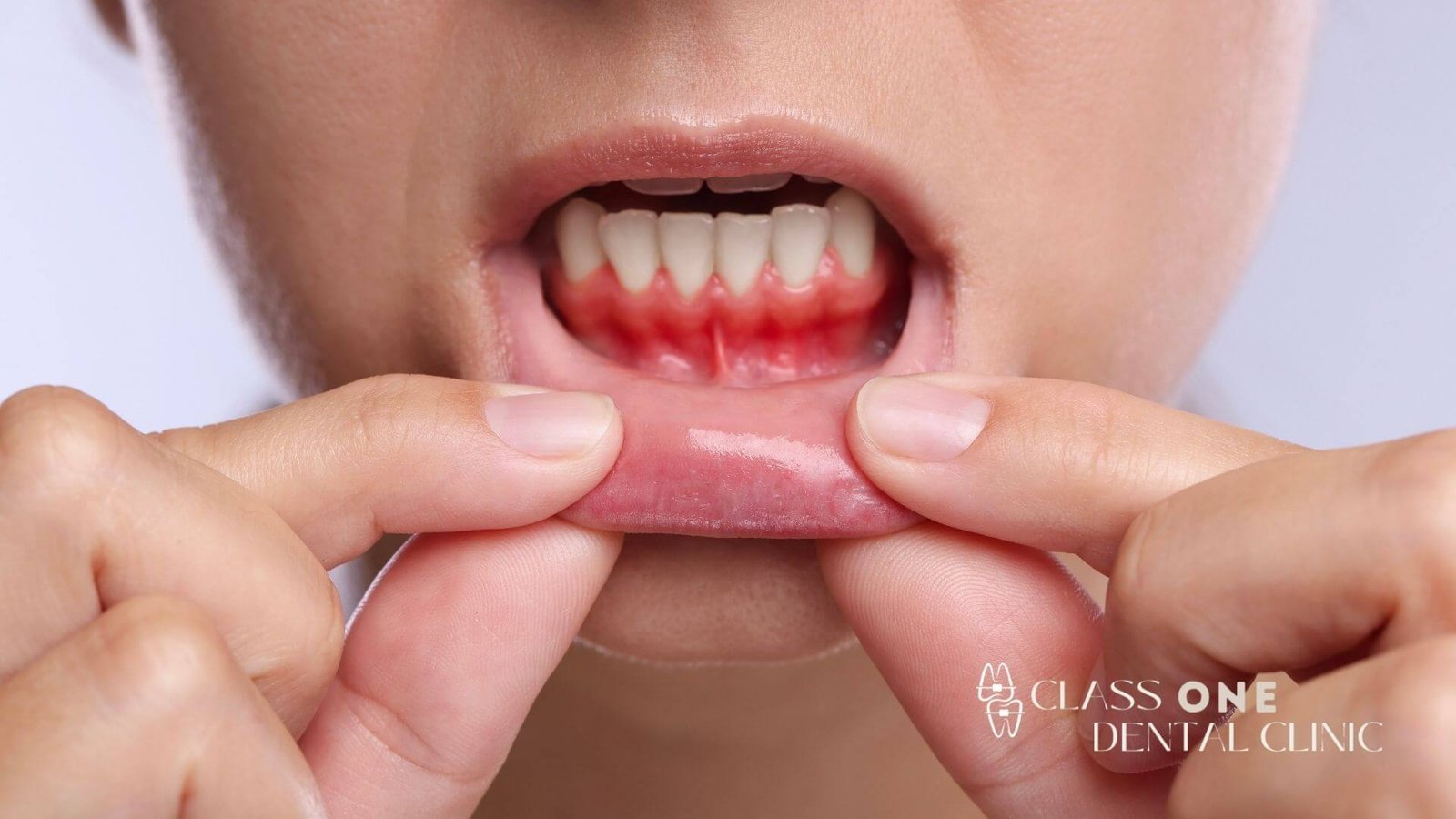
Gum inflammation is mainly caused by the build-up of plaque. Plaque is a thin film formed by bacteria in the mouth, which forms naturally on the surface of the teeth every day. If it is not removed in time, plaque gradually hardens within 24 to 48 hours and turns into tartar (calculus). The surface of tartar is rough and easily attracts more bacteria and food debris, creating a vicious cycle that makes the gum inflammation worse. If early inflammation is not properly dealt with, bacteria continue to destroy the periodontal tissues below, eventually damaging the periodontal ligament and the alveolar bone, and causing loose teeth or tooth loss.
Research data from the University of Birmingham in the UK, published in the international journal BMJ Open, have shown that patients with periodontal disease have an increased risk of cardiovascular disease of about 18%, and other systemic diseases such as diabetes and pneumonia are also associated with periodontal disease. When oral bacteria enter the bloodstream and cause bacteraemia, the immune system stays over-activated for a long time, ultimately leading to reduced immunity and making other illnesses more likely. Therefore, protecting gum health is not only an oral issue but also concerns overall health.
Key Point 1: Build a Habit of Thorough Physical Cleaning
Plaque can only be removed effectively through physical friction. Mouthwash or a water flosser alone cannot fully replace the role of the toothbrush and dental floss. Many people mistakenly believe that high-tech cleaning tools can replace traditional brushing and flossing, but this is wrong. Correct physical cleaning is the foundation of preventing gum inflammation.
The key points of correct brushing are to brush at least twice a day, for at least 2 to 3 minutes each time, using a soft-bristled toothbrush to avoid hurting the gums. The most effective brushing method is the Bass technique. To use the Bass technique, hold the toothbrush at a 45 to 60 degree angle to the teeth, with the bristles lightly touching the gum line, and clean with short horizontal vibrating movements, about ten times in each area. The brushing order should start from the outer surfaces of the upper teeth, then clean the biting surfaces and inner surfaces in turn, and then move on to the lower teeth, making sure nothing is missed. The key is to clean the gum line, because plaque accumulates most easily there.
Cleaning between the teeth is equally important but often overlooked. A toothbrush can only clean about 60% of the tooth surface area, while the surfaces between neighbouring teeth make up the 40% blind spot. The bristles of a toothbrush cannot reach deep between the teeth, so dental floss or interdental brushes must be used at least once a day to remove plaque thoroughly from hidden areas. People with narrow gaps between their teeth are suited to dental floss, and waxed floss can reduce snagging; people with wider gaps are suited to interdental brushes. The correct way to use floss is to wrap it in a C-shape around the tooth and slide it gently along the gum line, avoiding rough handling that causes the gums to bleed.
Key Point 2: Regular Teeth Cleaning and Check-ups to Remove Tartar Early
Although daily brushing is important, if plaque is not removed in time it hardens into tartar within 24 to 48 hours. Once tartar has formed, home cleaning alone can no longer remove it, and it can only be cleaned thoroughly through professional dental teeth cleaning (scaling and polishing). The surface of tartar is rough and attracts more bacteria and food debris, making the gum inflammation worse and creating a vicious cycle.
Professional dental teeth cleaning should be done once every six months to a year. The process includes using an ultrasonic scaler to remove tartar above the gum line, root planing to remove stubborn tartar below the gum line, and finally polishing and fluoride treatment to prevent tartar from quickly building up again. For patients who already have periodontal disease or are at high risk, teeth cleaning and check-ups every three months are recommended.
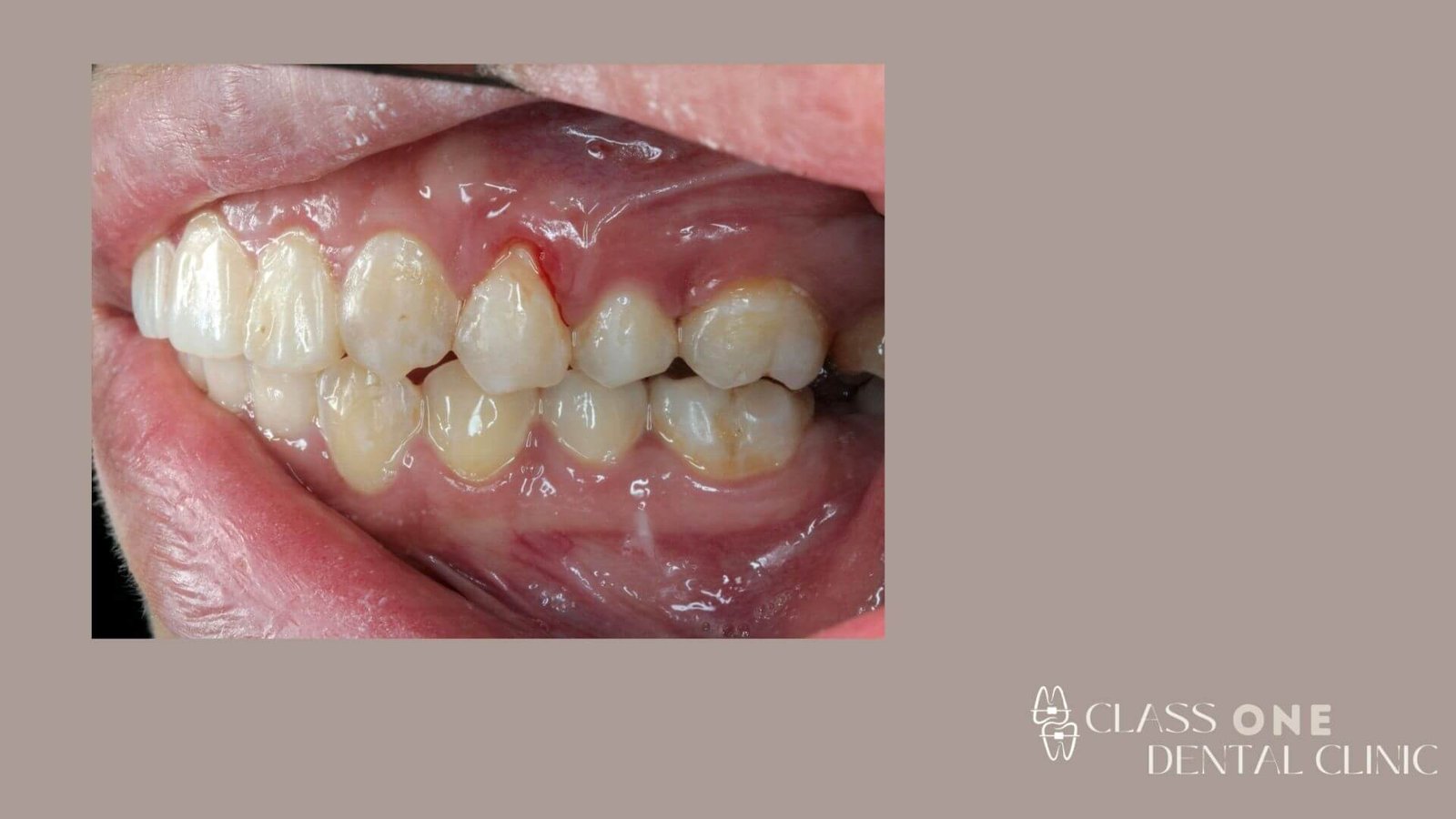
Self-checking is also important. If you notice red and swollen gums, bleeding easily when brushing, worsening bad breath or widening gaps between the teeth, see a dentist as soon as possible. Early gum inflammation usually heals with better daily cleaning, but once it has developed into periodontal disease, treatment becomes much more difficult. Early detection and treatment can effectively stop the disease from progressing and avoid the consequences of loose or lost teeth.
Key Point 3: Adjust Lifestyle and Diet to Boost Immunity
Low immunity is an important factor in gum inflammation worsening more quickly. Long-term stress, staying up late and lack of sleep directly lower immunity, letting oral bacteria take advantage and speeding up the loss of periodontal bone. Studies show that the incidence of periodontal disease is clearly higher among people with high work stress and irregular routines than among those with regular routines. Enough sleep and stress management are equally key to maintaining oral health. It is recommended to get 7 to 8 hours of sleep every night and to do moderate exercise such as yoga or walking to relieve stress, ensuring the body has enough capacity to repair itself.
A healthy diet has a far-reaching effect on gum health. You should reduce your intake of high-sugar, acidic and hard foods, because high-sugar foods feed oral bacteria and make plaque form faster; acidic foods soften tooth enamel and increase the risk of tooth decay (cavities) and gum sensitivity; and hard foods may injure the gums or cause teeth to crack.
Conversely, you should increase your intake of nutrients that support gum health. Vitamin C increases the integrity of the walls of the tiny blood vessels and helps prevent gingivitis, and sources include guava, kiwi fruit, green peppers and oranges. Vitamin A and beta-carotene can inhibit oral bacteria from forming dental plaque, and green vegetables such as spinach and broccoli are rich in these. Vitamin E and coenzyme Q10 have antioxidant effects and help gum wounds from everyday use heal better. Coenzyme Q10 is found in sardines, salmon, beef, pork and nuts, and a moderate daily intake is recommended.
Omega-3 fatty acids have anti-inflammatory effects, and salmon, flaxseed and nuts are good sources; eating them 2 to 3 times a week can effectively reduce gum inflammation. High-calcium foods such as milk, sesame and soy products can strengthen bone and slow the loss of periodontal bone that comes with ageing. In addition, chewing foods rich in dietary fibre, such as green vegetables, stimulates saliva flow, helps neutralise acidity in the mouth and cleans the teeth naturally. You should quit smoking and limit alcohol, because tobacco impedes blood flow and alcohol dries out the oral environment, and both make gum inflammation worse.
A Comprehensive Strategy for Preventing Gum Inflammation and Long-Term Maintenance
Effective prevention of gum inflammation needs a three-pronged approach: physical cleaning to lay the foundation, regular check-ups to catch problems early, and lifestyle adjustments to strengthen immunity. Children should develop good brushing and flossing habits from an early age, adults should value regular check-ups to detect problems early, and older people should pay particular attention to gum recession caused by bone loss.
Dentists recommend spending 5 to 7 minutes a day on thorough cleaning, and having a professional teeth cleaning and check-up every six months. Carrying out these preventive measures consistently can not only protect the gums from inflammation but also maintain oral health for life, avoiding further whole-body health problems caused by dental problems.

Gum Inflammation: Frequently Asked Questions (FAQ)
Question 1: How long does it take for bleeding gums from inflammation to improve when brushing? Do I need to see a dentist immediately?
Bleeding when brushing caused by gum inflammation usually improves after 1 to 2 weeks of stepped-up physical cleaning. However, if the bleeding lasts for more than 2 weeks or comes with red, swollen or painful gums, you should see a dentist immediately for a professional examination. Early gum inflammation can often heal on its own by improving your cleaning methods, but delay may allow it to develop into periodontal disease that needs complex treatment. Seeing a dentist early allows an accurate diagnosis of how serious the problem is and a suitable treatment plan to be made.
Question 2: How should I choose between dental floss and interdental brushes? Do I need to use them every day?
Dental floss suits people with narrow gaps between the teeth, while interdental brushes suit people with wider gaps or receding gums. Both should be used at least once a day, ideally before or after brushing at night, to remove plaque from hidden areas. Beginners can choose waxed floss to reduce slipping, or try floss picks, which are easier to handle. When flossing, avoid rough handling so as not to hurt the gums and cause bleeding. If you are unsure how to use them correctly, ask your dentist or dental hygienist to demonstrate.
Question 3: Which foods help gum health the most? How does high-sugar food affect the gums?
Foods rich in vitamin C such as guava, kiwi fruit and green peppers, salmon and nuts containing omega-3, and spinach and broccoli containing coenzyme Q10 all help gum health. High-sugar foods should be avoided, because oral bacteria metabolise sugar to produce acidic substances, turning the oral environment acidic, speeding up plaque formation and irritating the gums into inflammation. After drinking sugary drinks you should rinse your mouth or drink water rather than brushing immediately, so that enamel softened by acid is not damaged by the bristles. A balanced diet combined with good cleaning habits is the best way to protect your gums.